plastic injection molding company in London
Finding a dependable injection molding manufacturer in London is essential when your business needs accurate, durable, and cost-effective plastic components. From initial product development and prototype testing to full-scale production, professional injection molding services help businesses manufacture consistent plastic parts in a wide range of shapes, sizes, materials, and specifications.
Get In Touch With Us
3 Steps For Precision Manufacturing

Share Your Files
We’ll sign an MNDA and assess manufacturability for free.

Recieve A Quote
Clear pricing and lead times, no
surprises.

Place Your Order
Lock in production and move forward with confidence.
Our Testimonials
our client say's
At LXG Mold Tooling, we believe great products start with great tools. As a global leader in injection mold tooling and high-precision plastic manufacturing, we’ve built our reputation on quality, speed, and trust.
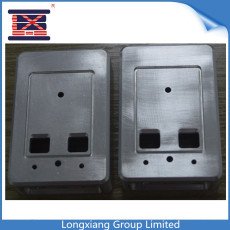
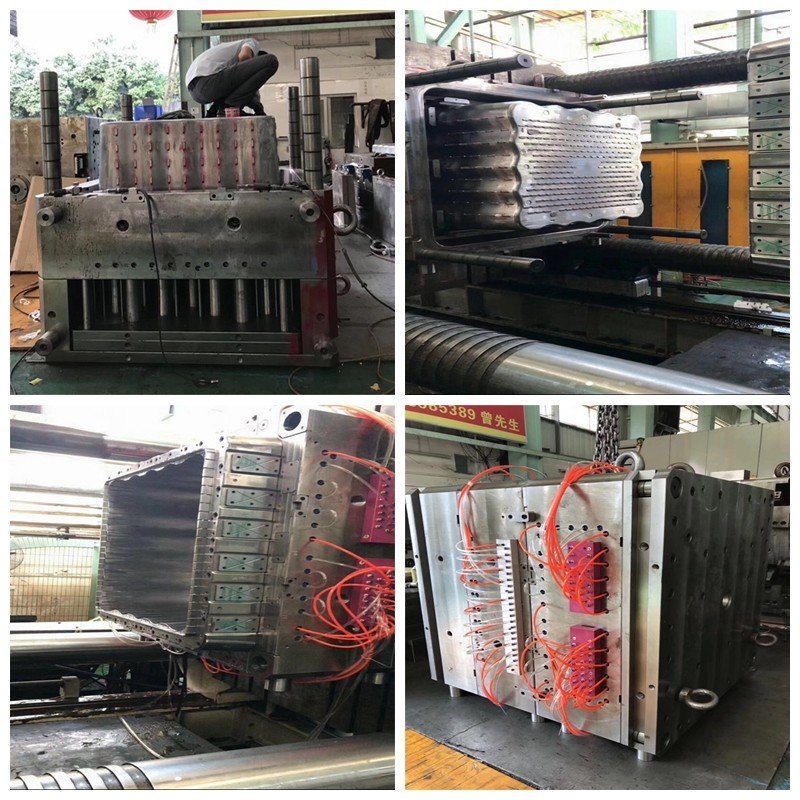
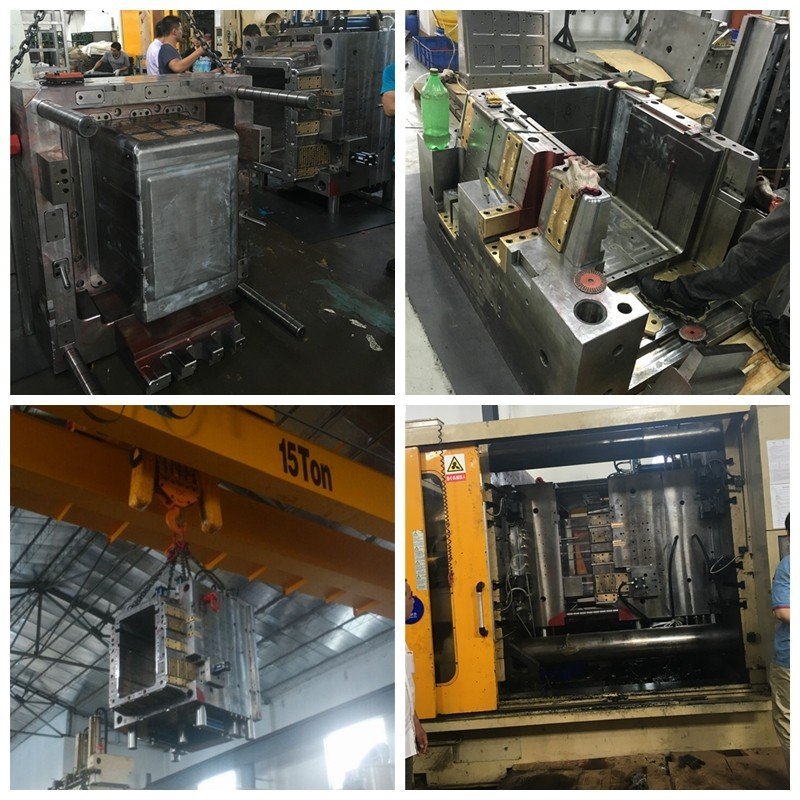
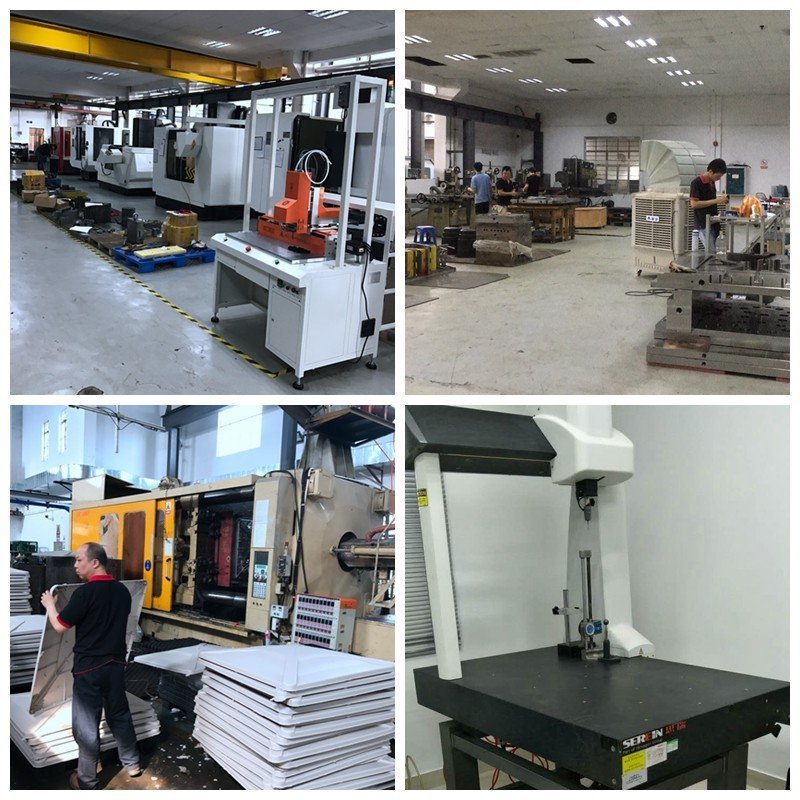
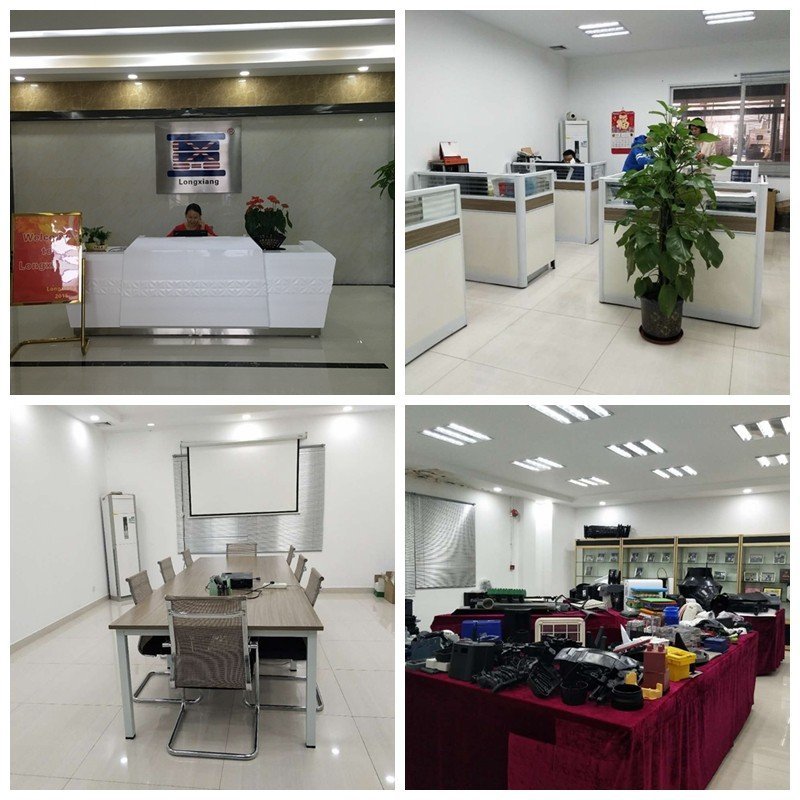
Founded in 2000 as part of LongXiang-Ltd, our company has grown into one of China’s most reputable mold-making and injection molding partners. With a 5,000 sq. meter facility, 120+ skilled professionals, and state-of-the-art equipment, we provide end-to-end solutions — from concept validation and rapid tooling injection molding prototypes to mass production with durable injection molding tools.
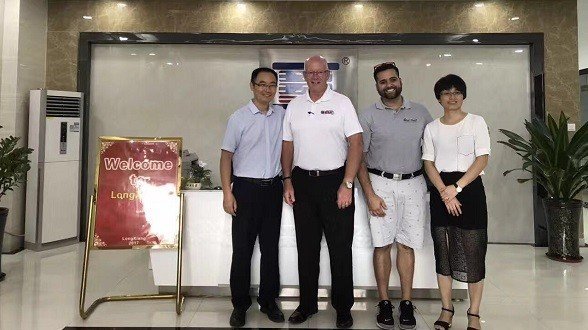
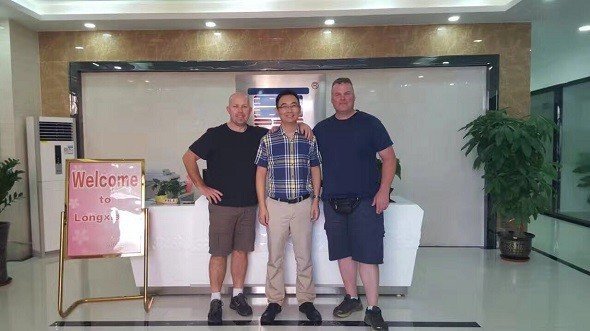
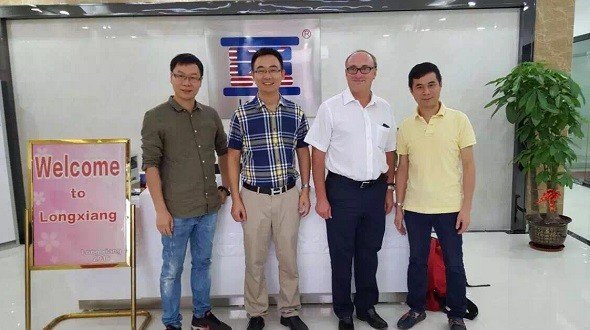




Get A Quote Now and let’s build smarter, faster, and stronger — together.
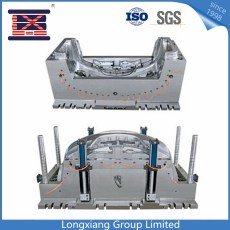
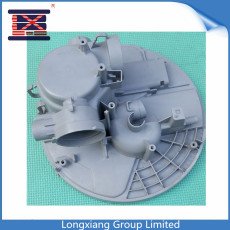
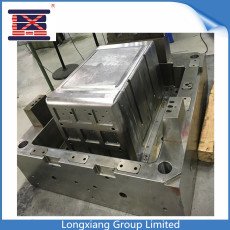
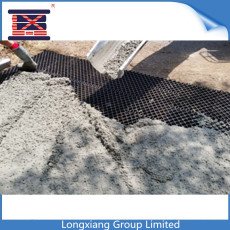
Professional Plastic Injection Molding London Services
Plastic injection molding is one of the most effective manufacturing methods for producing complex plastic parts in large quantities. The process involves heating plastic material until it melts and injecting it into a specially designed mould under pressure.
Once the material cools and solidifies, the mould opens and releases the completed component. This process can be repeated quickly, making it possible to produce large quantities of consistent parts with limited material waste.
Our plastic injection molding London services are suitable for companies that require:
- Custom-designed plastic components
- Consistent part dimensions
- Complex shapes and detailed features
- Repeatable manufacturing quality
- Low, medium, or high-volume production
- A broad range of plastic materials
- Competitive per-unit manufacturing costs
- Support from concept to production
Every injection molding project is different. For this reason, the manufacturing process should begin with a detailed review of the product design, intended application, production quantity, material requirements, dimensional tolerances, surface finish, and quality expectations.
Your Injection Molding Company in London
Choosing the right injection molding company in London can have a significant impact on your product quality, manufacturing costs, and delivery schedule. A reliable supplier should do more than simply manufacture plastic components. It should help you identify possible design issues, select suitable materials, improve mouldability, and plan an efficient production process.
Our approach is based on understanding the complete application of each component. Before production begins, important factors are reviewed, including:
- Part size and geometry
- Wall thickness
- Draft angles
- Undercuts
- Rib and boss design
- Material flow
- Shrinkage
- Cooling requirements
- Expected production quantity
- Environmental conditions
- Mechanical performance
- Cosmetic requirements
Reviewing these details early can help reduce manufacturing problems, prevent unnecessary tool modifications, and improve the overall quality of the finished part.
We work with businesses, product developers, engineers, purchasing teams, and manufacturers that need a reliable injection molding provider London projects can depend on.
Custom Injection Molding for Different Applications
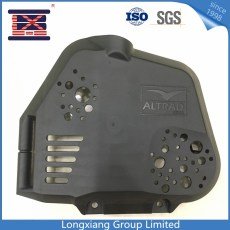
Injection molding can be used to manufacture both simple and highly complex components. It is suitable for creating small precision parts, protective housings, structural components, clips, covers, handles, enclosures, connectors, brackets, packaging products, and many other items.
Custom injection molding gives businesses greater control over the design and performance of their components. Instead of relying on standard off-the-shelf products, companies can develop parts that are manufactured specifically for their application.
Custom options may include:
- Product-specific dimensions
- Custom colours
- Textured surfaces
- Glossy or matte finishes
- Logos and branding
- Insert moulding
- Overmoulding
- Multiple material options
- Flame-retardant plastics
- Chemical-resistant materials
- UV-resistant materials
- Engineering-grade polymers
- Tight dimensional tolerances
Our objective is to help businesses develop plastic components that provide the required performance while remaining practical and economical to manufacture.
Injection Mould Design and Tooling Support
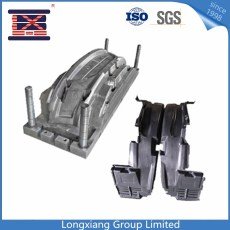
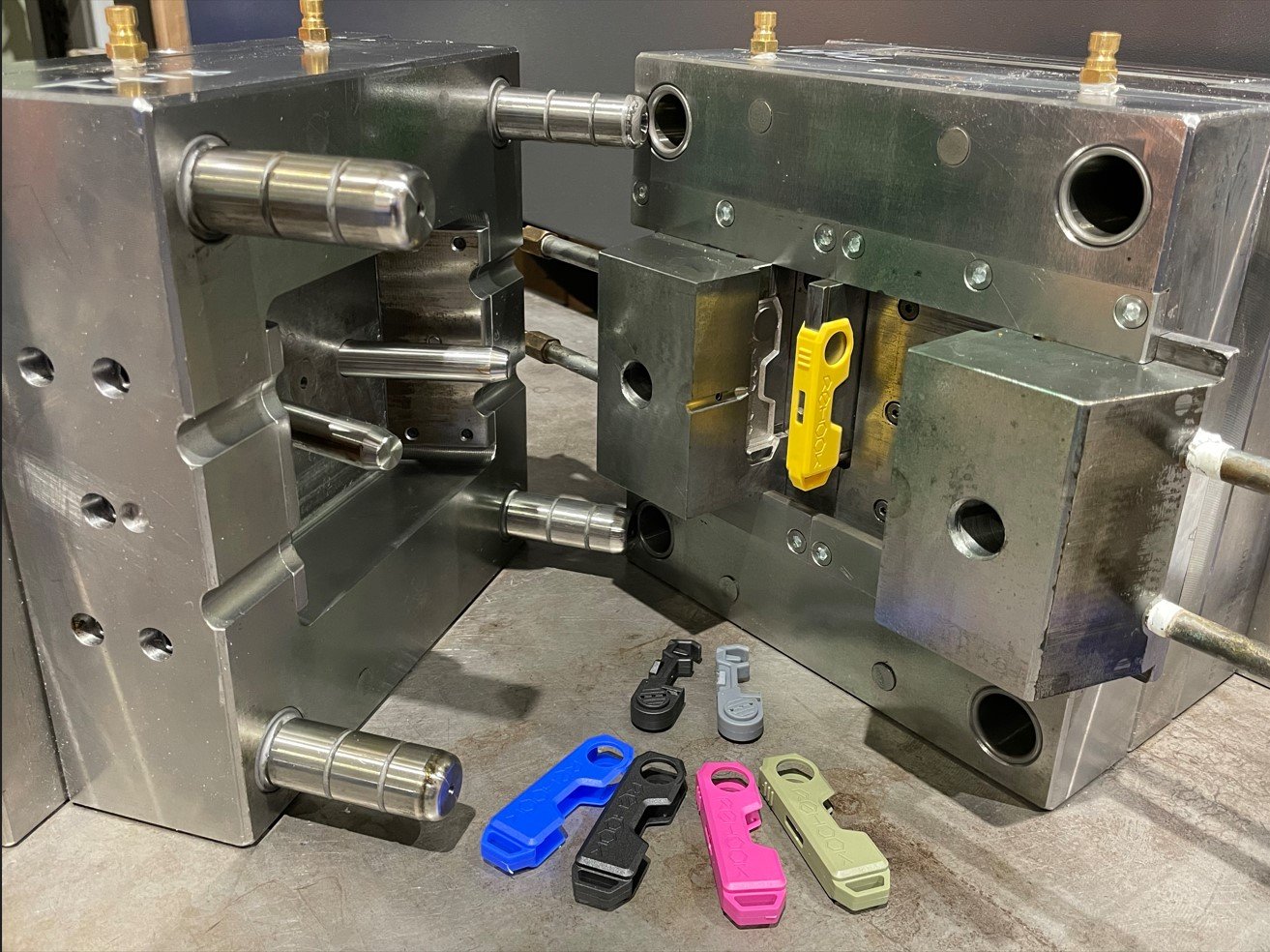
The injection mould is one of the most important parts of the manufacturing process. The quality of the mould directly affects part accuracy, cycle time, surface appearance, consistency, and long-term production reliability.
A mould must be designed according to the shape of the component, the selected material, the required number of cavities, production volume, cooling system, ejection method, and expected tool life.
Our tooling support may include:
- Product design review
- Design for manufacturability analysis
- Mould flow considerations
- Prototype moulds
- Single-cavity moulds
- Multi-cavity moulds
- Family moulds
- Insert moulding tools
- Overmoulding tools
- Tool testing and modification
- Tool maintenance
- Production tooling
Before manufacturing the final mould, the component design should be reviewed carefully. Small design changes can often improve material flow, reduce sink marks, simplify ejection, prevent warping, and shorten the production cycle.
Working with an experienced injection molding supplier London companies can trust helps ensure the tooling process is carefully managed from the beginning.
Prototype and Low-Volume Injection Molding
Not every project requires immediate high-volume production. Start-ups, product development teams, engineers, and established companies may need prototype or low-volume plastic components before investing in a full production tool.
Prototype injection molding can help businesses:
- Test product dimensions
- Evaluate part fit
- Check assembly requirements
- Review surface appearance
- Test the selected material
- Identify design weaknesses
- Collect customer feedback
- Complete product validation
- Prepare for full production
Low-volume manufacturing may also be useful for specialist equipment, replacement parts, limited-edition products, market testing, pilot projects, and products with lower annual demand.
Our team can review your expected production quantity and recommend a suitable tooling and manufacturing approach.
High-Volume Plastic Injection Molding
Injection molding becomes especially cost-effective when large quantities of the same component are required. Once the mould has been designed, manufactured, tested, and approved, production can be repeated at a fast and consistent rate.
High-volume injection molding offers several advantages:
- Reduced cost per component
- Fast production cycles
- High repeatability
- Efficient use of materials
- Consistent dimensions
- Automated production options
- Stable product quality
- Reduced manual processing
- Scalable manufacturing capacity
Production planning should take into account the expected annual quantity, mould life, number of cavities, cycle time, material availability, quality checks, packaging requirements, and delivery schedule.
As an injection molding manufacturer London companies can contact for scalable production support, we aim to create an efficient process that can grow with your business requirements.
Plastic Materials for Injection Molding
Material selection is a critical part of every injection molding project. Different plastics provide different levels of strength, flexibility, chemical resistance, heat resistance, transparency, durability, and surface quality.
Common injection molding materials include:
ABS
ABS is widely used for consumer products, housings, enclosures, automotive components, and electronic equipment. It offers good impact resistance, dimensional stability, and surface appearance.
Polypropylene
Polypropylene is lightweight, flexible, and resistant to many chemicals. It is frequently used for packaging, caps, containers, household products, automotive components, and living hinges.
Polyethylene
Polyethylene is available in several grades and offers good moisture resistance, toughness, and chemical resistance. It is commonly used for packaging, containers, industrial products, and protective components.
Polycarbonate
Polycarbonate provides high impact resistance and can be used for transparent or semi-transparent components. It is suitable for protective covers, equipment housings, lighting products, and technical applications.
Nylon
Nylon is often selected for mechanical components that require strength, wear resistance, and durability. Typical products include gears, bearings, clips, fasteners, and industrial components.
POM
POM, also known as acetal, provides low friction, good dimensional stability, and strong mechanical performance. It is commonly used for moving parts, gears, connectors, and precision components.
TPU and TPE
Flexible materials such as TPU and TPE are used for grips, seals, protective covers, flexible components, and overmoulded products.
The correct material depends on the function of the component. Factors such as temperature, outdoor exposure, chemicals, impact, pressure, flexibility, regulatory requirements, and expected product life should be considered before production.
Industries We Support
Our plastic injection molding London services can support businesses across a broad range of sectors. Every industry has different expectations regarding materials, accuracy, appearance, documentation, and quality control.
Industries that commonly use injection molded components include:
Automotive
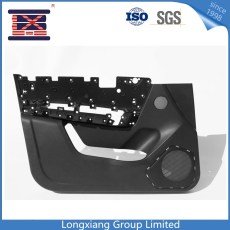
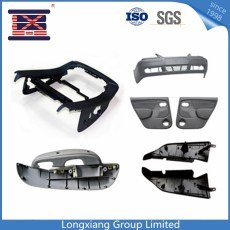
Injection molding is used to manufacture clips, brackets, covers, interior parts, connectors, housings, and other automotive components.
Medical and Healthcare
Healthcare products may require accurate dimensions, suitable materials, clean production practices, and careful quality control.
Electronics
Electronic products often require protective housings, switches, covers, cable components, connectors, and internal support structures.
Consumer Products
Injection molding is widely used for household products, personal care items, tools, toys, kitchen products, storage products, and everyday accessories.
Industrial Equipment
Industrial applications may require durable plastic parts that can withstand mechanical stress, chemicals, moisture, heat, or repeated use.
Packaging
Plastic injection molding can be used to manufacture caps, closures, containers, dispensers, packaging components, and branded products.
Construction
Construction-related components may include spacers, clips, fittings, protective covers, handles, plugs, and fixing systems.
Aerospace and Specialist Engineering
Specialist industries may require engineering plastics, controlled tolerances, detailed inspection, and reliable material performance.
Our Injection Molding Process
A structured process helps improve quality, avoid delays, and keep each project organised.
1. Project Review
The process begins with a review of your drawings, CAD files, samples, production quantity, material requirements, and intended application.
2. Design Evaluation
The component is evaluated for manufacturability. Recommendations may be provided regarding wall thickness, draft angles, ribs, bosses, undercuts, gates, and ejection.
3. Material Selection
A suitable plastic is selected according to strength, flexibility, environmental exposure, appearance, cost, and performance requirements.
4. Quotation
A detailed quotation is prepared based on tooling, materials, production quantity, finishing, assembly, inspection, and delivery requirements.
5. Tool Manufacturing
The mould is designed and manufactured using the approved product design and production specifications.
6. Sampling and Testing
Initial samples are produced and inspected. Modifications can be completed when necessary before the tool is approved for production.
7. Production
Once the samples have been approved, production begins according to the agreed quantity and quality requirements.
8. Inspection
Finished parts are checked for dimensions, appearance, material quality, function, and consistency.
9. Finishing and Assembly
Additional services may include printing, painting, ultrasonic welding, insert fitting, labelling, assembly, and packaging.
10. Delivery
The completed components are prepared and delivered according to the agreed schedule.
Quality Control for Injection Molded Parts
Quality control should be maintained throughout the manufacturing process. Inspecting only the final products may not be enough to prevent production issues.
A suitable quality process may include:
- Incoming material checks
- Tool inspection
- First article inspection
- Dimensional measurement
- Visual inspection
- Colour checking
- Weight monitoring
- Functional testing
- Process parameter control
- Production sampling
- Packaging inspection
- Final quality approval
The exact inspection method depends on the complexity and intended use of the component. Products used in technical, automotive, medical, or industrial applications may require more detailed inspection and documentation.
Our goal as an injection molding provider in London is to help customers receive components that meet the agreed design and quality requirements.
Secondary Finishing and Assembly Services
Some injection molded components require additional work after moulding. Combining manufacturing, finishing, and assembly through one supplier can simplify project management.
Available secondary services may include:
- Pad printing
- Screen printing
- Laser marking
- Painting
- Texturing
- Polishing
- Heat staking
- Ultrasonic welding
- Insert installation
- Component assembly
- Labelling
- Custom packaging
These services can help turn individual moulded parts into finished products that are ready for distribution, installation, or retail.
Why Choose Our Injection Molding Services?
Businesses searching for plastic injection molding near me usually want a responsive supplier that can provide practical advice, reliable manufacturing, and straightforward communication.
We focus on providing:
Custom Manufacturing Support
Every project is reviewed individually. The manufacturing process is planned around the component design, quantity, material, and application.
Design Assistance
Early design feedback can help reduce tooling costs, improve part quality, and avoid production problems.
Material Options
A wide selection of standard and engineering plastics can be considered according to your performance requirements.
Flexible Production Quantities
Support may be available for prototype, low-volume, medium-volume, and high-volume requirements.
Consistent Quality
Controlled manufacturing and inspection procedures help maintain consistency throughout production.
Clear Communication
Customers receive updates during important stages such as design review, tooling, sampling, testing, and production.
Complete Project Support
Services can cover design review, tool manufacturing, molding, finishing, assembly, packaging, and delivery.
Plastic Injection Molding Near Me
When searching online for plastic injection molding near me, it is important to evaluate more than location alone. The supplier should have the technical capabilities, equipment, quality procedures, material knowledge, and production capacity required for your project.
Before selecting an injection molding partner, consider asking:
- Can the company review my product design?
- Does it support both tooling and production?
- Which plastic materials can it process?
- Can it handle my required production quantity?
- What quality checks are available?
- Can it produce initial samples?
- Are finishing and assembly services available?
- How are design changes managed?
- What information is required for a quotation?
- Can production be increased in the future?
Choosing an experienced supplier can reduce risk and create a more reliable path from initial idea to completed product.
Request a Quote from an Injection Molding Supplier London Businesses Trust
When requesting a quotation, providing complete project information can help the manufacturer prepare a more accurate proposal.
Useful information includes:
- 2D drawings
- 3D CAD files
- Product samples
- Material requirements
- Required colour
- Surface finish
- Estimated order quantity
- Annual production volume
- Dimensional tolerances
- Intended application
- Assembly requirements
- Packaging requirements
- Target delivery date
Do not worry when every technical detail is not yet available. Our team can review the information you have and explain what may be required during the next stage.
Contact us to discuss your project with an experienced injection molding company London businesses can approach for custom plastic manufacturing, tooling, prototyping, and production support.
Frequently Asked Questions
What does an injection molding manufacturer do?
An injection molding manufacturer produces plastic components by injecting heated plastic into a custom mould. The manufacturer may also provide design review, mould development, material selection, inspection, assembly, and finishing services.
How much does plastic injection molding cost?
The cost depends on the component size, design complexity, plastic material, mould construction, number of cavities, production quantity, tolerances, and finishing requirements. A drawing or CAD model is normally required for an accurate quotation.
Is injection molding suitable for small production runs?
Yes. Injection molding can be used for low-volume production, although tooling costs must be considered. Prototype or simplified moulds may be recommended for smaller quantities.
Which plastic is best for injection molding?
There is no single best material. The correct choice depends on the component’s strength, flexibility, temperature resistance, chemical exposure, appearance, and intended application.
How long does it take to manufacture an injection mould?
Tooling time varies according to the mould’s size, complexity, number of cavities, material, and required modifications. Sampling and testing should also be included in the project schedule.
Can you produce parts from an existing sample?
In many cases, an existing component can be used as a reference. However, drawings or a 3D model may need to be created before tooling and production begin.
Can injection molded parts include custom colours?
Yes. Plastic parts can be manufactured in a wide range of colours. Colour matching may be completed using an existing sample, reference code, or approved masterbatch.
What files are needed for an injection molding quotation?
A 3D CAD file is especially helpful. Common file formats include STEP, STP, IGES, and X_T. A 2D technical drawing can also provide information about tolerances and dimensions.
Do you provide mould design support?
Yes, mould design and manufacturability support can be included. The product design is reviewed before tooling to identify possible manufacturing issues.
Can you provide assembly and packaging?
Depending on the project, additional services may include printing, welding, insert fitting, labelling, product assembly, and custom packaging.
Contact an Injection Molding Manufacturer in London
Turn your product design into a reliable, production-ready plastic component. Whether you need prototype parts, custom mould development, low-volume manufacturing, or ongoing high-volume production, we can help you plan an efficient injection molding solution.
Speak with our team today to discuss your drawings, material requirements, production quantity, quality expectations, and delivery schedule.
Choose a professional injection molding manufacturer London businesses can rely on for custom tooling, technical support, consistent production, and dependable plastic component manufacturing.

 20+ Years Experience