plastic injection molding company in Telford
Finding a dependable injection molding manufacturer Telford businesses can rely on is essential when product quality, production consistency and delivery schedules matter. We provide comprehensive plastic injection moulding support for companies that need custom plastic components, precision mould tools, prototypes, small production batches or high-volume manufacturing.
Get In Touch With Us
3 Steps For Precision Manufacturing

Share Your Files
We’ll sign an MNDA and assess manufacturability for free.

Recieve A Quote
Clear pricing and lead times, no
surprises.

Place Your Order
Lock in production and move forward with confidence.
Our Testimonials
our client say's
At LXG Mold Tooling, we believe great products start with great tools. As a global leader in injection mold tooling and high-precision plastic manufacturing, we’ve built our reputation on quality, speed, and trust.
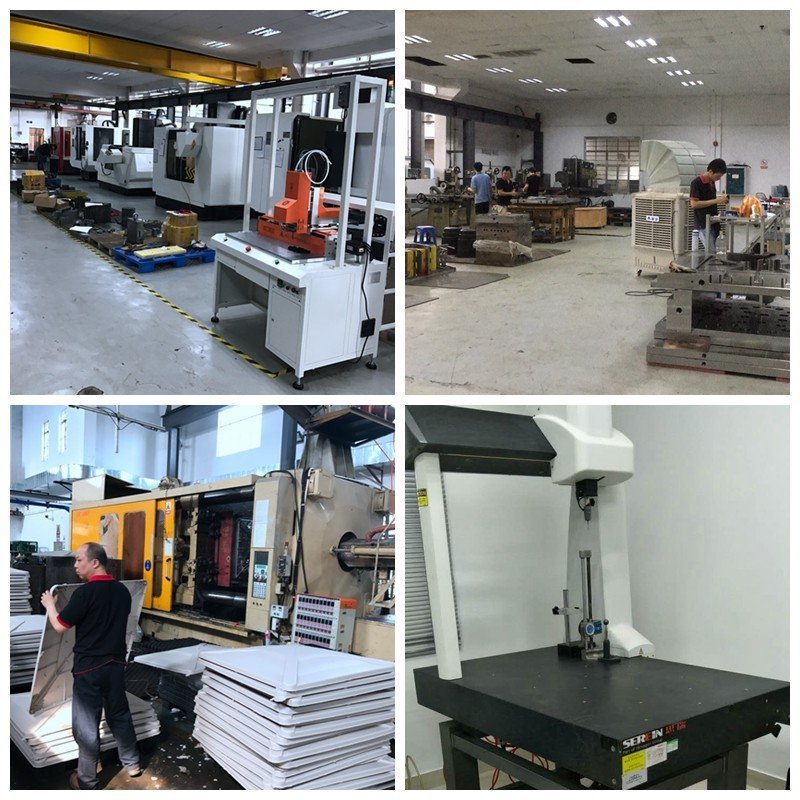
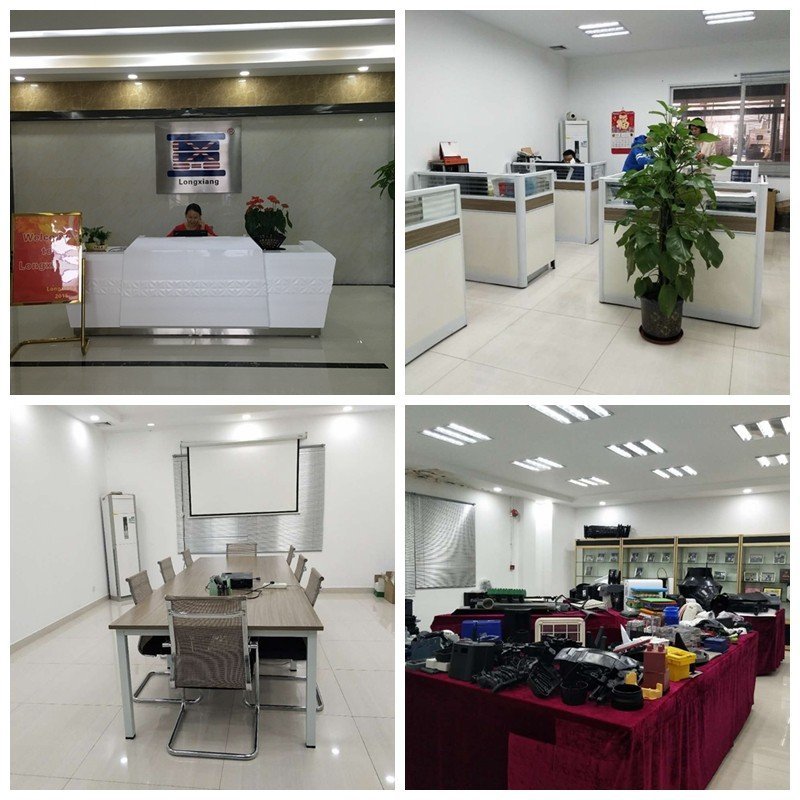
Founded in 2000 as part of LongXiang-Ltd, our company has grown into one of China’s most reputable mold-making and injection molding partners. With a 5,000 sq. meter facility, 120+ skilled professionals, and state-of-the-art equipment, we provide end-to-end solutions — from concept validation and rapid tooling injection molding prototypes to mass production with durable injection molding tools.
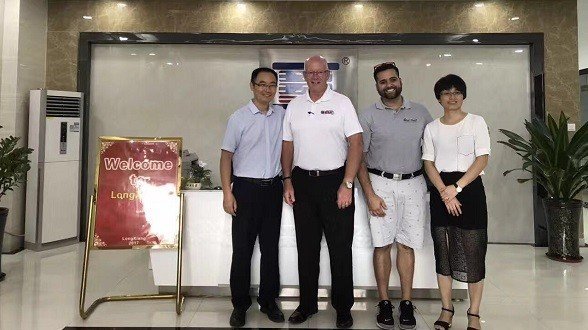
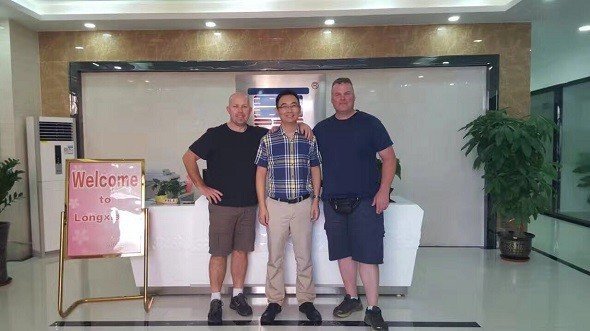
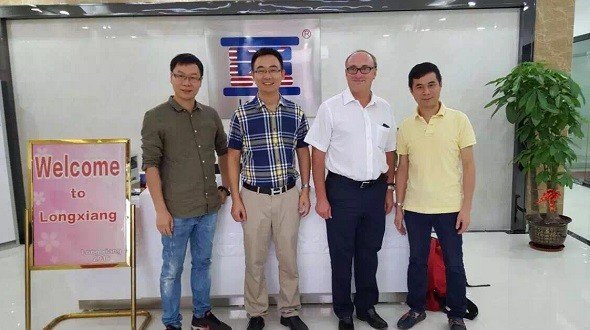

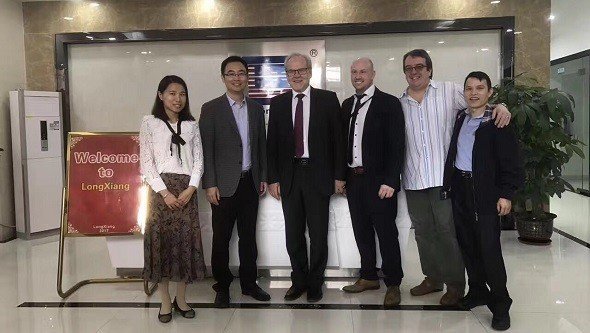


Get A Quote Now and let’s build smarter, faster, and stronger — together.
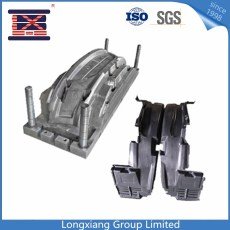
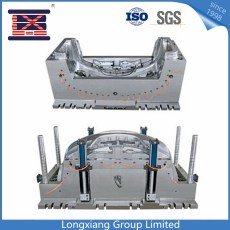
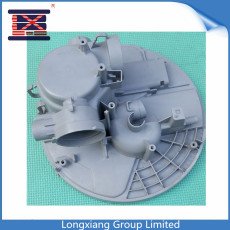
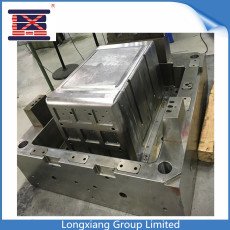
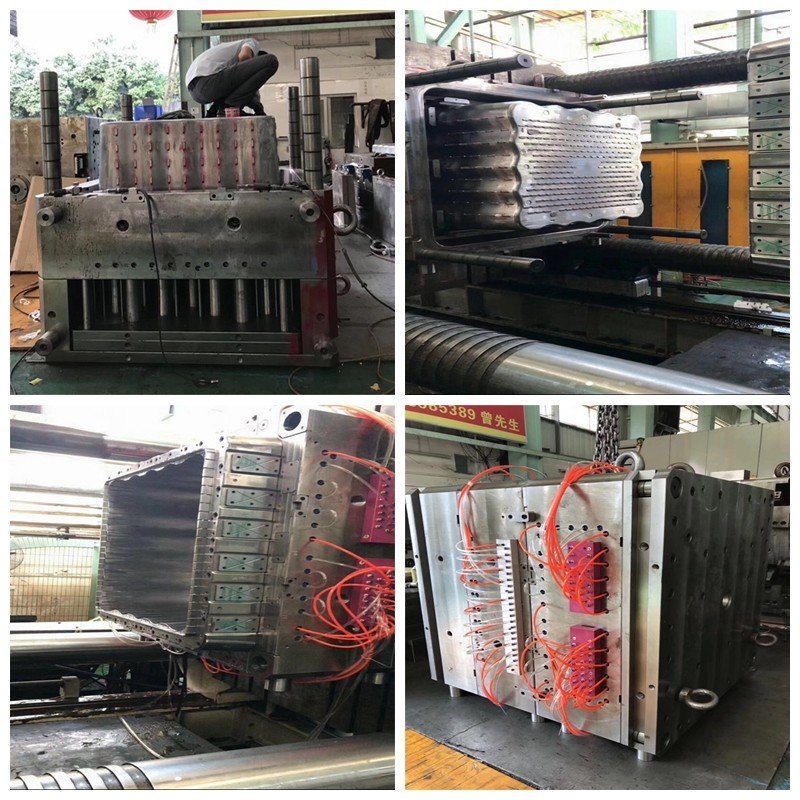
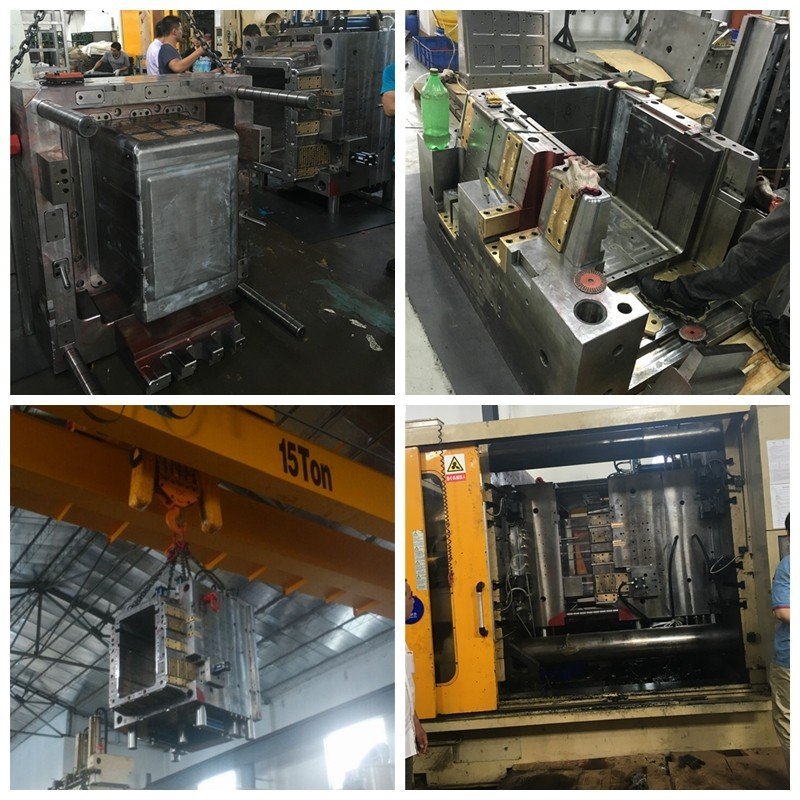
Complete Plastic Injection Molding Telford Services
Our plastic injection molding Telford services are designed to support a wide range of product development and manufacturing requirements. Injection moulding is one of the most effective production methods for creating repeatable plastic components with complex shapes, detailed features and consistent dimensions.
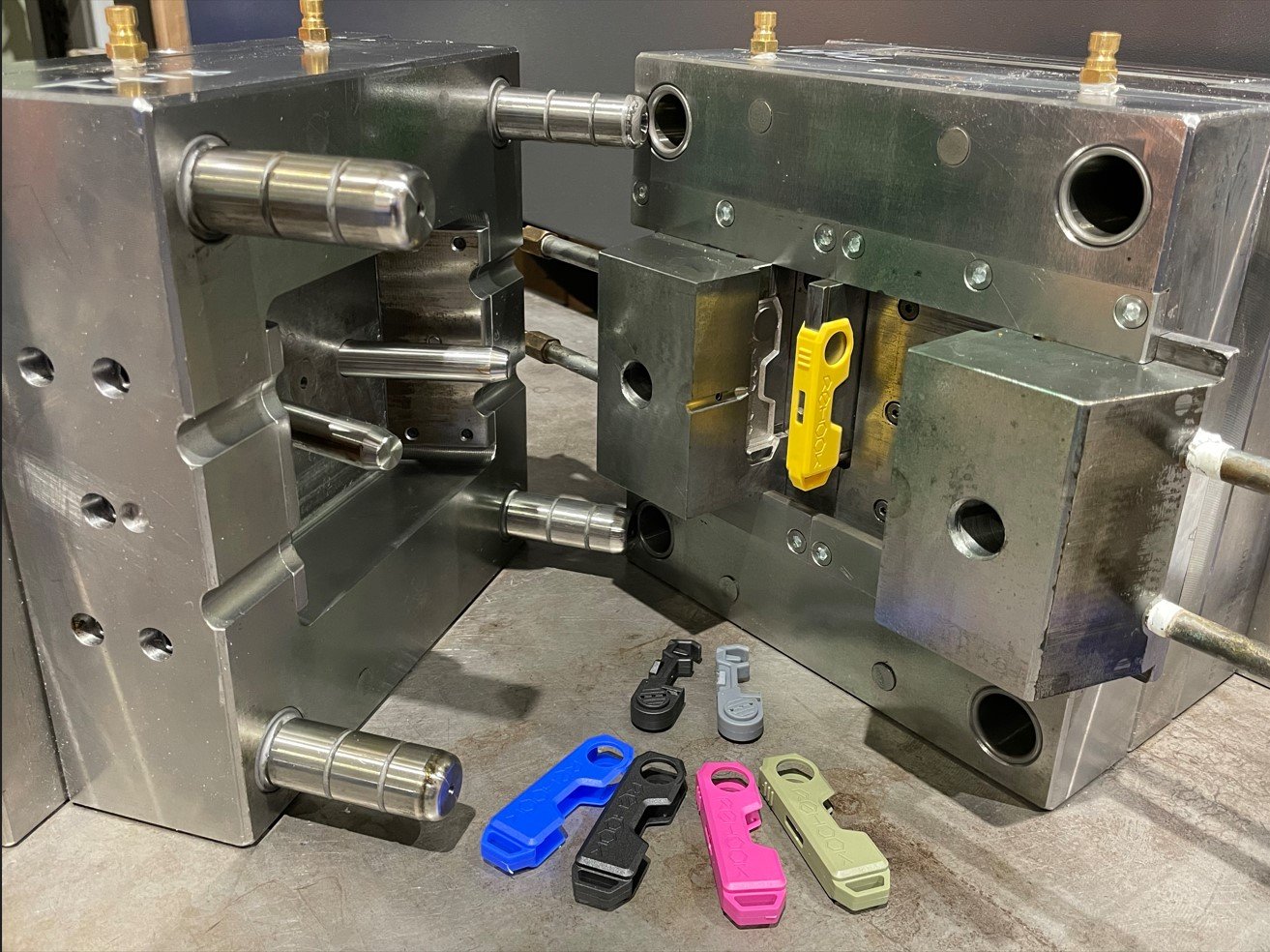
The process involves heating plastic material until it becomes molten and injecting it into a specially manufactured mould. Once the plastic cools and solidifies, the finished part is removed from the mould. The production cycle can then be repeated to manufacture large quantities of identical components.
Although the process may sound straightforward, successful injection moulding requires careful control of multiple factors. These include part design, mould design, plastic material selection, injection pressure, temperature, cooling time and final inspection.
Our services can include:
- Product and component design support
- Design for manufacturability analysis
- Injection mould tool design
- Prototype mould manufacturing
- Multi-cavity mould development
- Plastic material recommendations
- Custom plastic component production
- Insert moulding and overmoulding
- Surface texture and finishing options
- Component assembly support
- Packaging and shipping coordination
- Quality inspection and reporting
By managing these stages carefully, we help businesses reduce manufacturing risks and achieve more reliable production results.
An Injection Molding Company Telford Businesses Can Depend On
Selecting the right manufacturing partner is about more than comparing unit prices. A suitable supplier must understand your technical requirements, production quantities, deadlines, quality expectations and commercial objectives.
As an injection molding company Telford manufacturers and product developers can depend on, we take time to understand each project before production begins. This approach helps identify design concerns early, reduce unnecessary mould modifications and minimise production delays.
Our team can review drawings, CAD files, product samples and technical specifications. We then evaluate details such as wall thickness, draft angles, undercuts, gate positions, material flow, shrinkage, cooling and expected production quantities.
Early technical evaluation can prevent common injection moulding problems, including:
- Sink marks
- Warping
- Air traps
- Visible weld lines
- Incomplete filling
- Excessive flashing
- Uneven cooling
- Weak component sections
- Difficult part ejection
- Inconsistent dimensions
By addressing these issues before the mould is manufactured, businesses can avoid expensive corrections during later production stages.
Custom Injection Moulding for Different Industries
Plastic injection moulding is used across many industries because it offers flexibility, repeatability and efficient production. Components can be produced in a wide range of sizes, colours, shapes, materials and surface finishes.
Our services may support businesses operating in sectors such as:
Automotive Components
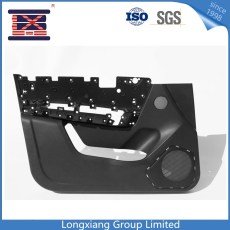
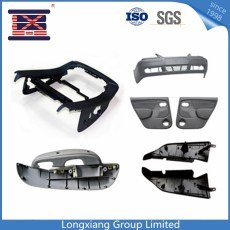
Injection moulding can be used to manufacture interior trim parts, electrical housings, connectors, clips, brackets, covers and under-bonnet components. Automotive applications often require strong materials, dimensional stability and reliable production consistency.
Medical and Healthcare Products
Plastic components used in healthcare products may require precise dimensions, smooth surfaces and carefully selected materials. Injection moulding can be suitable for housings, handles, diagnostic device parts and non-sterile equipment components.
Electronics and Electrical Equipment
Plastic moulded parts are frequently used for switches, connectors, cable components, enclosures, covers, control panels and protective housings. Flame-retardant, heat-resistant or electrically insulating materials may be selected depending on the application.
Consumer Products
Injection moulding is widely used to produce household products, storage components, personal care packaging, appliance parts, handles, closures and decorative components.
Industrial Equipment
Manufacturers may require plastic gears, protective covers, equipment housings, knobs, guides, clips, spacers and custom engineering components.
Construction Products
Plastic moulding can be used for building hardware, drainage products, electrical accessories, fixing components, protective caps and specialist construction parts.
Every industry has different technical and regulatory requirements. We therefore review each application individually before recommending a suitable production solution.
Injection Mould Tool Design and Manufacturing
The quality of a plastic component depends heavily on the quality of the injection mould tool. A well-designed tool helps achieve stable production cycles, accurate dimensions and consistent surface finishes.
Our tooling process begins with a detailed review of the component design. The mould layout is then planned according to the component geometry, material, expected production volume and required cycle time.
Tooling considerations may include:
- Number of mould cavities
- Gate type and gate position
- Runner system design
- Cooling channel arrangement
- Parting line position
- Ejection system
- Slide and lifter mechanisms
- Venting requirements
- Mould steel selection
- Surface finish requirements
- Expected mould lifespan
- Maintenance requirements
Single-cavity moulds may be appropriate for lower production quantities or larger components. Multi-cavity moulds can increase output by manufacturing several parts during each production cycle. Hot runner systems may also be considered when reducing material waste and improving production efficiency is important.
Prototype and Low-Volume Plastic Moulding
Not every project needs immediate high-volume production. Businesses developing a new component may first require prototypes, samples or a small production batch.
Prototype injection moulding allows product developers to evaluate how the component performs when manufactured in the intended plastic material. It can help identify concerns that may not be visible in a digital model or 3D-printed prototype.
Prototype parts can be used to assess:
- Component dimensions
- Fit with surrounding parts
- Assembly performance
- Material behaviour
- Surface appearance
- Mechanical strength
- Functional performance
- Customer feedback
- Packaging suitability
Once the design has been tested and approved, the mould may be modified or a dedicated production tool may be developed.
Low-volume manufacturing can also support market testing, replacement components, specialist products and businesses that do not require extremely large order quantities.
High-Volume Injection Moulding Production
Injection moulding becomes particularly cost-effective when a large quantity of identical components is required. After the mould tool has been completed and approved, the production process can be repeated efficiently.
High-volume production requires more than simply operating an injection moulding machine. Stable results depend on controlled materials, maintained equipment, documented production settings and regular quality checks.
Production parameters may include:
- Barrel temperature
- Mould temperature
- Injection pressure
- Holding pressure
- Injection speed
- Cooling time
- Cycle time
- Clamping force
- Material drying conditions
These settings are established during mould trials and adjusted where necessary to achieve the required component quality.
As an experienced injection molding provider Telford companies can work with, we aim to maintain repeatability throughout the production cycle. Inspection procedures can be developed according to the component specification and customer requirements.
Plastic Material Selection
Selecting the correct plastic material is an important part of every injection moulding project. Different materials offer different levels of strength, flexibility, chemical resistance, heat resistance and appearance.
Common injection moulding materials include:
ABS
ABS is commonly used for consumer products, electronic housings and automotive components. It offers good impact resistance and can produce an attractive surface finish.
Polypropylene
Polypropylene is lightweight and resistant to many chemicals. It is widely used for packaging, containers, living hinges and household products.
Polyethylene
Polyethylene offers good toughness, moisture resistance and chemical resistance. Different grades are available for different product applications.
Polycarbonate
Polycarbonate is known for its impact resistance and transparency. It may be used for protective covers, lighting components and technical products.
Nylon
Nylon is often selected for mechanical components because of its strength, wear resistance and temperature performance. It can be suitable for gears, clips, brackets and industrial parts.
POM
POM, also known as acetal, offers low friction, good stiffness and dimensional stability. It is frequently used for precision engineering components.
TPE and TPU
Thermoplastic elastomers can provide flexibility, grip and shock absorption. They may be used for seals, grips, protective parts and overmoulded components.
PMMA
PMMA is a transparent material commonly used as an alternative to glass in lighting, display and decorative applications.
Material selection should be based on the actual working environment of the component. Temperature exposure, chemical contact, outdoor use, mechanical loads and regulatory requirements should all be considered.
Insert Moulding and Overmoulding
Insert moulding allows a metal or previously manufactured component to be placed inside the mould before plastic is injected around it. This process can be used to manufacture components with threaded inserts, electrical contacts or reinforced sections.
Overmoulding involves moulding one material over another component or substrate. It is commonly used to add soft-touch grips, seals, protective surfaces or multiple colours.
These processes can reduce the need for separate assembly operations and improve the performance of the final product. However, they require careful consideration of material compatibility, bonding, insert positioning and mould design.
Quality Control for Injection Moulded Parts
Quality control is necessary to ensure that finished components meet the agreed specifications. Inspection requirements can vary depending on the product, industry and production volume.
Quality checks may include:
- Visual inspection
- Dimensional measurement
- Weight verification
- Colour comparison
- Surface finish assessment
- Fit and assembly testing
- Functional testing
- Material verification
- First article inspection
- Batch sampling
- Production documentation
Critical dimensions can be measured using appropriate inspection equipment. Samples may also be reviewed during production to confirm that the process remains stable.
Where required, inspection reports and production records can be provided to support customer quality procedures.
Searching for Plastic Injection Molding Near Me?
Businesses searching online for plastic injection molding near me are usually looking for a supplier that offers clear communication, technical support and dependable delivery.
Location is important, but manufacturing capability is equally important. The cheapest or closest supplier may not always offer the right experience, tooling knowledge or quality systems for your component.
When comparing injection moulding suppliers, consider:
- Experience with similar components
- Available moulding capabilities
- Material knowledge
- Tooling expertise
- Quality inspection procedures
- Communication and response times
- Production capacity
- Lead times
- Packaging options
- Delivery arrangements
- Tool maintenance support
- Ability to support future production growth
A capable supplier should be able to explain the manufacturing process clearly and identify potential risks before production begins.
Injection Molding Supplier Telford for New and Existing Projects
We can support both new injection moulding projects and existing products that need a new manufacturing partner.
For new projects, our team can review your product concept and help prepare it for injection moulding. This may involve adjusting wall thicknesses, adding draft angles, improving corner radii or simplifying features that could make the mould unnecessarily complex.
For existing products, we can review your current drawings, samples and mould information. Businesses may search for a new injection molding supplier Telford because they need improved quality, increased production capacity, better communication or an alternative supply source.
When transferring an existing project, it is important to confirm:
- Tool ownership
- Mould condition
- Mould dimensions
- Machine compatibility
- Material specification
- Approved component samples
- Quality requirements
- Current production settings
- Packaging specifications
- Annual order quantities
A structured transfer process helps reduce supply disruption and ensures that the new production setup meets the required standards.
Why Choose Our Injection Molding Services?
We aim to provide practical manufacturing support throughout the complete injection moulding process.
Technical Project Review
We review the component design before tooling begins and identify changes that may improve manufacturability.
Custom Tooling Solutions
Each mould tool is developed according to the component design, plastic material and expected production quantities.
Flexible Production Support
We can support prototype moulding, small production runs and higher-volume manufacturing requirements.
Material Guidance
Our team can help compare materials according to strength, flexibility, temperature resistance, chemical resistance and appearance.
Quality-Focused Manufacturing
Production and inspection procedures are planned around the agreed component requirements.
Clear Communication
Customers receive updates during design review, tooling, mould trials, sample approval and production.
Long-Term Manufacturing Support
We aim to support repeat orders, tooling maintenance, component updates and future production requirements.
Our Injection Moulding Process
A typical injection moulding project follows several important stages.
1. Initial Project Review
The customer provides drawings, CAD models, samples, production quantities and application details.
2. Design for Manufacturing Analysis
The component is reviewed for wall thickness, draft, undercuts, shrinkage, gate positions and other moulding considerations.
3. Quotation and Planning
A quotation is prepared based on the mould design, material, component complexity and production requirements.
4. Mould Tool Design
The injection mould is designed and reviewed before manufacturing begins.
5. Tool Manufacturing
The mould components are machined, assembled, fitted and prepared for testing.
6. Mould Trial
Initial sample components are manufactured. Dimensions, appearance and performance are reviewed.
7. Sample Approval
Samples are supplied for customer testing and approval. Adjustments can be completed where necessary.
8. Production
Once the samples are approved, the project moves into the required production quantity.
9. Inspection and Delivery
Finished parts are inspected, packaged and prepared for delivery.
Request a Quote for Plastic Injection Molding Telford
Whether you require a new injection mould, prototype components or an ongoing production supply, our team is ready to review your requirements.
To receive an accurate quotation, provide as much information as possible, including:
- 2D technical drawings
- 3D CAD files
- Product photographs
- Preferred plastic material
- Required colour
- Surface finish
- Estimated annual quantity
- Initial order quantity
- Critical dimensions
- Testing requirements
- Packaging requirements
- Target delivery schedule
Contact us today to discuss your project with an injection molding manufacturer Telford businesses can approach for tooling, technical guidance and custom plastic component production.
Frequently Asked Questions
What does an injection molding manufacturer do?
An injection moulding manufacturer produces plastic components by injecting molten plastic into a custom mould. The manufacturer may also provide component design review, mould tool development, material selection, testing, production and quality inspection.
Can you manufacture custom plastic components?
Yes. Injection moulding is suitable for producing custom plastic parts based on drawings, CAD files, samples or product concepts. A custom mould tool is normally required before production begins.
Is injection moulding suitable for small quantities?
Injection moulding can be used for small quantities, but the initial mould cost must be considered. Prototype or simplified moulds may provide a more economical option for lower production volumes.
How long does an injection moulding project take?
The timescale depends on the component complexity, mould structure, material and testing requirements. Tool design, manufacturing, mould trials, sample approval and production must all be included in the project schedule.
What information is needed for an injection moulding quote?
Useful information includes CAD files, drawings, material requirements, component dimensions, surface finish, estimated order quantities, annual demand and quality requirements.
Which plastic materials can be injection moulded?
Common materials include ABS, polypropylene, polyethylene, polycarbonate, nylon, POM, PMMA, TPU and TPE. The correct material depends on the component’s application and performance requirements.
Can you help improve an existing plastic component design?
Yes. A design for manufacturing review can identify potential concerns such as inconsistent wall thickness, insufficient draft, undercuts, weak sections and difficult mould filling.
Do you provide injection mould tool manufacturing?
Yes. Injection mould tools can be designed and manufactured according to the component geometry, required production volume, plastic material and expected mould lifespan.
Can you produce high-volume orders?
Injection moulding is highly suitable for repeat and high-volume production. The mould tool and production process should be designed according to the expected annual quantities.
How can I find reliable plastic injection molding near me?
Look for a supplier with relevant technical experience, tooling capabilities, material knowledge, quality control procedures and transparent communication. The supplier should review your design carefully before beginning tool manufacturing.

 20+ Years Experience