plastic injection molding company in Denmark
Finding a reliable injection molding manufacturer in Denmark is an important step when your business needs accurate, durable, and cost-effective plastic components. From initial product development and mold design to material selection, production, finishing, and quality control, the right manufacturing partner can help you transform a concept into a production-ready plastic part.
Get In Touch With Us
3 Steps For Precision Manufacturing

Share Your Files
We’ll sign an MNDA and assess manufacturability for free.
Recieve A Quote
Clear pricing and lead times, no
surprises.

Place Your Order
Lock in production and move forward with confidence.
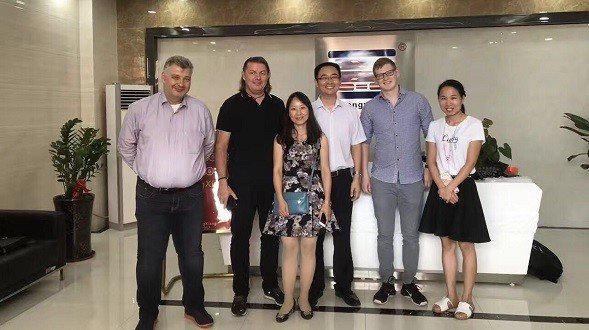
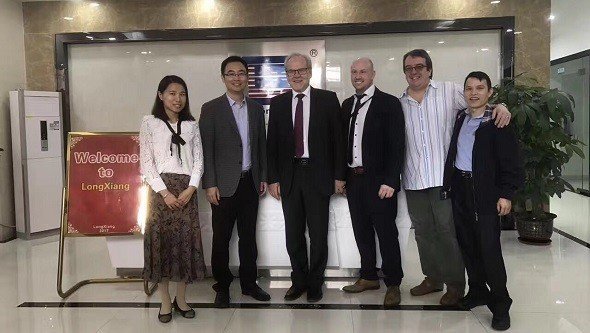
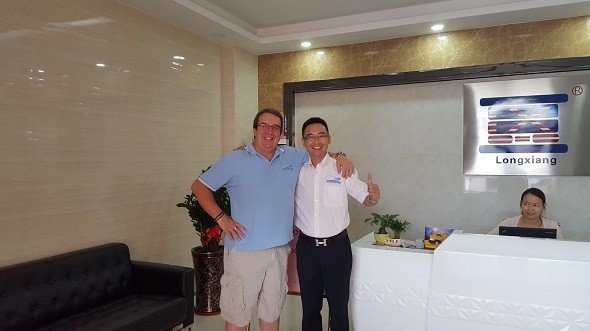
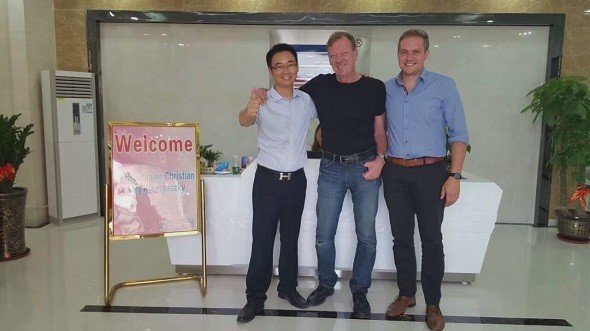
Our Testimonials
our client say's
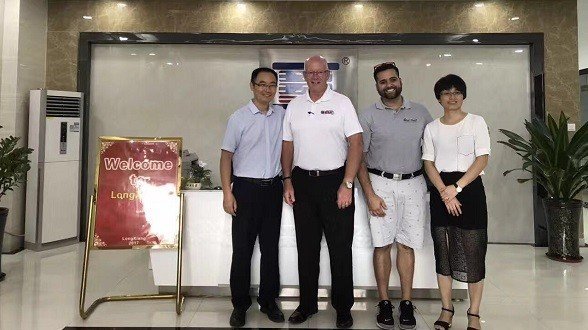
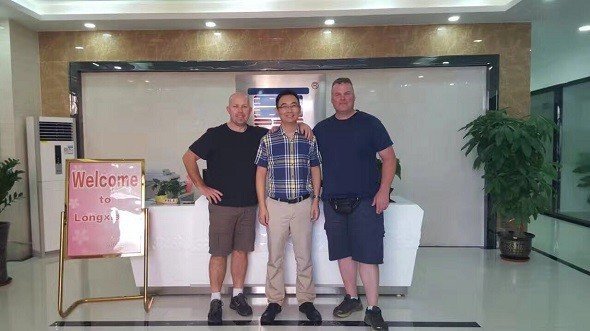
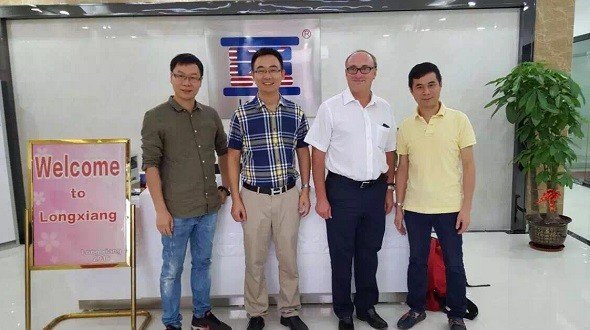
At LXG Mold Tooling, we believe great products start with great tools. As a global leader in injection mold tooling and high-precision plastic manufacturing, we’ve built our reputation on quality, speed, and trust.
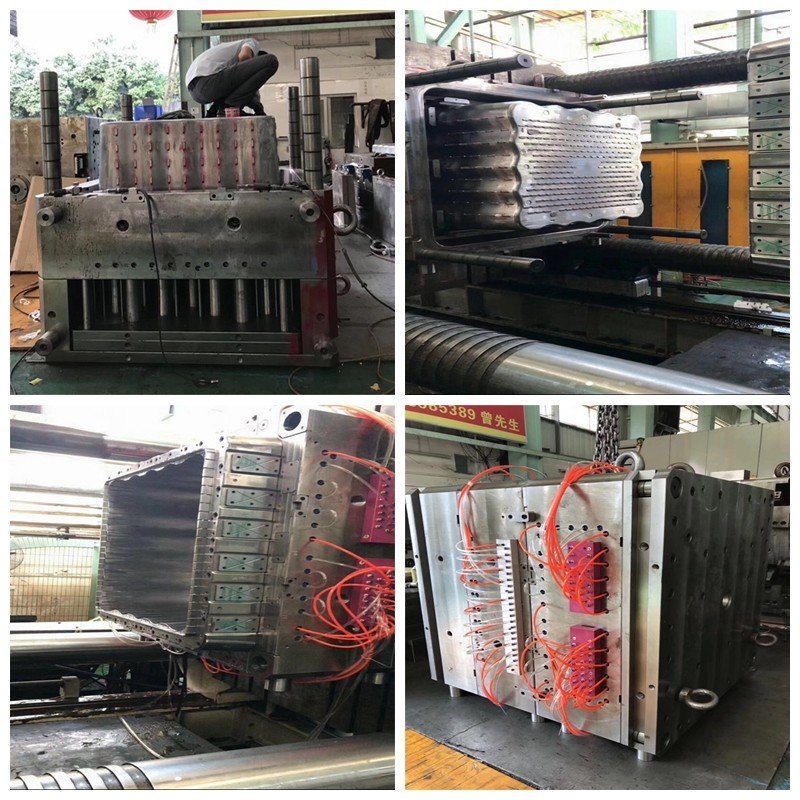
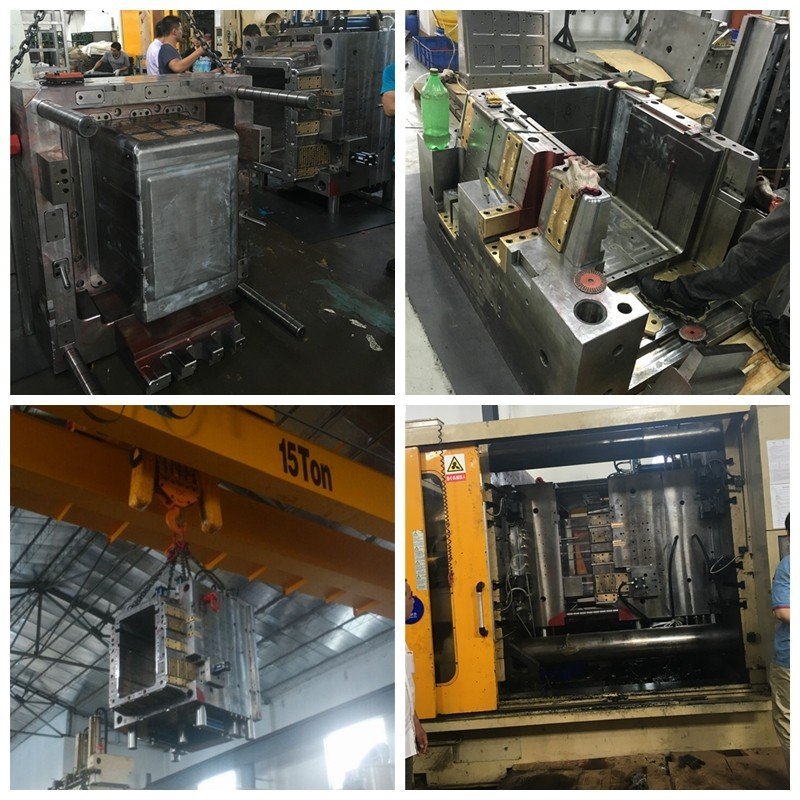
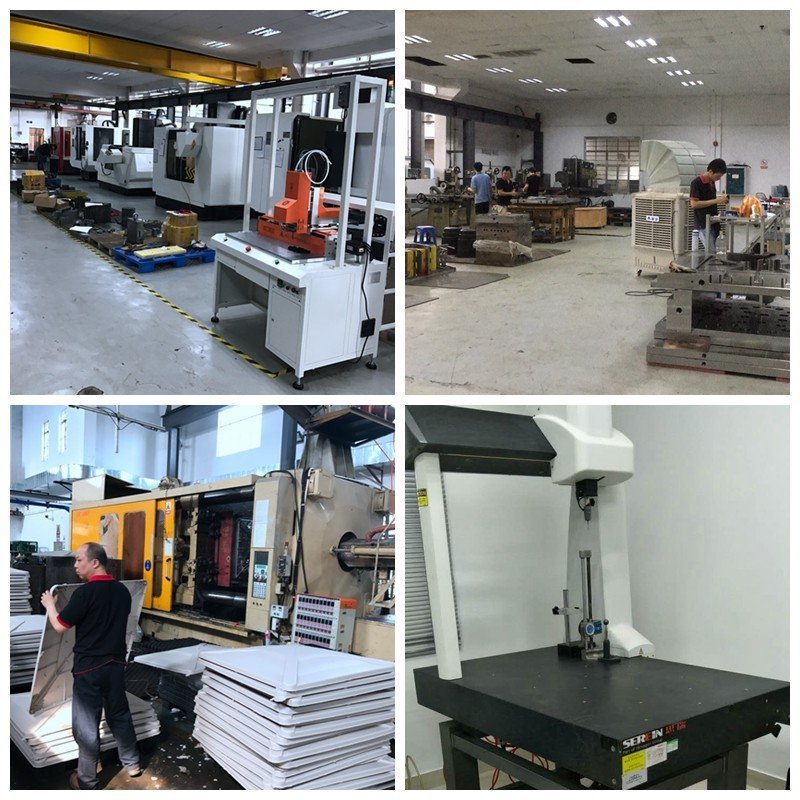
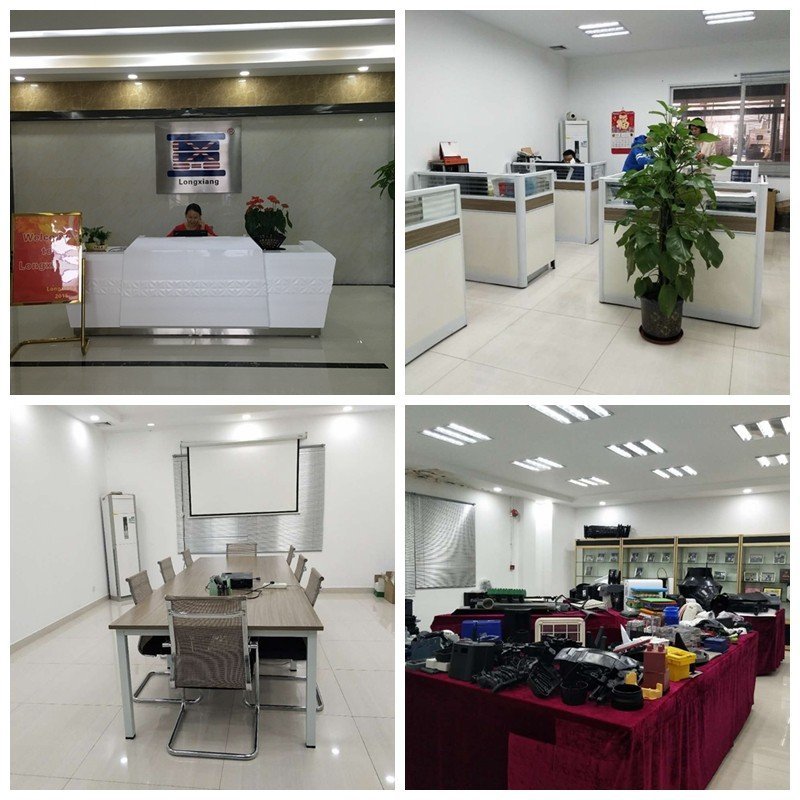
Founded in 2000 as part of LongXiang-Ltd, our company has grown into one of China’s most reputable mold-making and injection molding partners. With a 5,000 sq. meter facility, 120+ skilled professionals, and state-of-the-art equipment, we provide end-to-end solutions — from concept validation and rapid tooling injection molding prototypes to mass production with durable injection molding tools.
Get A Quote Now and let’s build smarter, faster, and stronger — together.
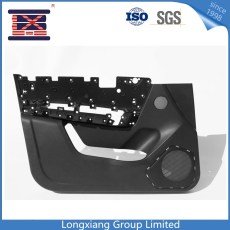
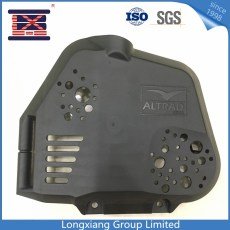
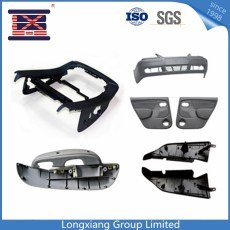
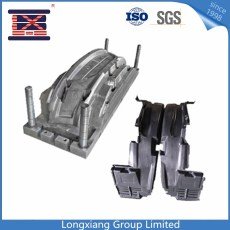
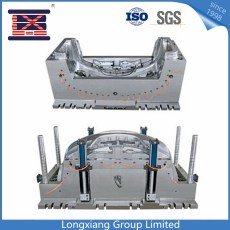
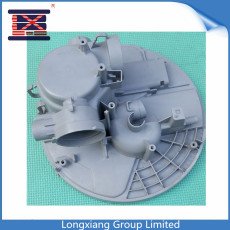
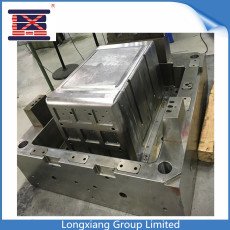
Complete Plastic Injection Molding Services in Denmark
Plastic injection molding is one of the most efficient methods for producing repeatable plastic components. The process involves heating plastic material until it melts and injecting it into a specially manufactured mold. Once the material cools and solidifies, the finished component is removed from the mold.
This manufacturing method can produce parts with detailed features, controlled dimensions, attractive surfaces, and complex geometries. It is widely used for products that must be manufactured repeatedly with minimal variation between individual units.
Our plastic injection molding Denmark services can include:
- Product design evaluation
- Design for manufacturing support
- Mold-flow analysis
- Prototype tooling
- Production mold manufacturing
- Plastic material selection
- Custom injection molding
- Insert molding
- Overmolding
- Multi-cavity molding
- Surface texturing
- Component assembly
- Packaging and delivery
- Quality inspection and documentation
By managing several production stages through one coordinated process, we help customers reduce delays, control quality, and simplify communication.
Your Reliable Injection Molding Company in Denmark
Choosing an injection molding company in Denmark should involve more than comparing unit prices. A capable supplier should understand how product design, tooling, raw materials, molding conditions, tolerances, finishing, and quality inspection influence the final component.
Our project process begins with a careful review of your drawings, samples, specifications, and intended application. We identify potential manufacturing challenges before tooling begins and recommend practical modifications where necessary.
This early engineering support may help prevent common injection molding problems, including:
- Uneven wall thickness
- Sink marks
- Warping
- Visible weld lines
- Air traps
- Short shots
- Difficult part ejection
- Weak structural areas
- Excessive tooling complexity
- Unnecessary production costs
By addressing these considerations during the planning stage, we help customers move toward production with greater confidence.
Custom Injection Molding for Different Industries
Our capabilities support a wide range of industries and product categories. Each application has different expectations for strength, appearance, chemical resistance, temperature performance, flexibility, precision, and regulatory compliance.
We can manufacture custom plastic components for sectors such as:
Automotive and Transportation
Injection molding is commonly used to manufacture interior components, covers, clips, brackets, housings, connectors, control elements, and protective parts for automotive and transportation applications.
Electronics
Plastic molding can create enclosures, switches, cable-management components, sensor housings, connectors, battery covers, and other parts requiring consistent dimensions and clean surface finishes.
Medical and Laboratory Products
Healthcare and laboratory applications may require carefully controlled materials, accurate dimensions, clean production processes, traceability, and detailed inspection procedures.
Industrial Equipment
Industrial manufacturers use injection-molded parts for machine guards, knobs, handles, housings, fittings, structural elements, and equipment accessories.
Consumer Products
Our manufacturing process can support household items, personal care products, storage products, lifestyle accessories, kitchen products, and other consumer goods.
Renewable Energy and Technical Applications
Denmark has a strong industrial and renewable-energy sector. Injection-molded plastic components can be used in electrical systems, monitoring equipment, mounting systems, protective enclosures, and technical assemblies.
Regardless of the sector, our objective is to provide a dependable production process that supports the functional and commercial goals of the product.
Injection Mold Design and Manufacturing
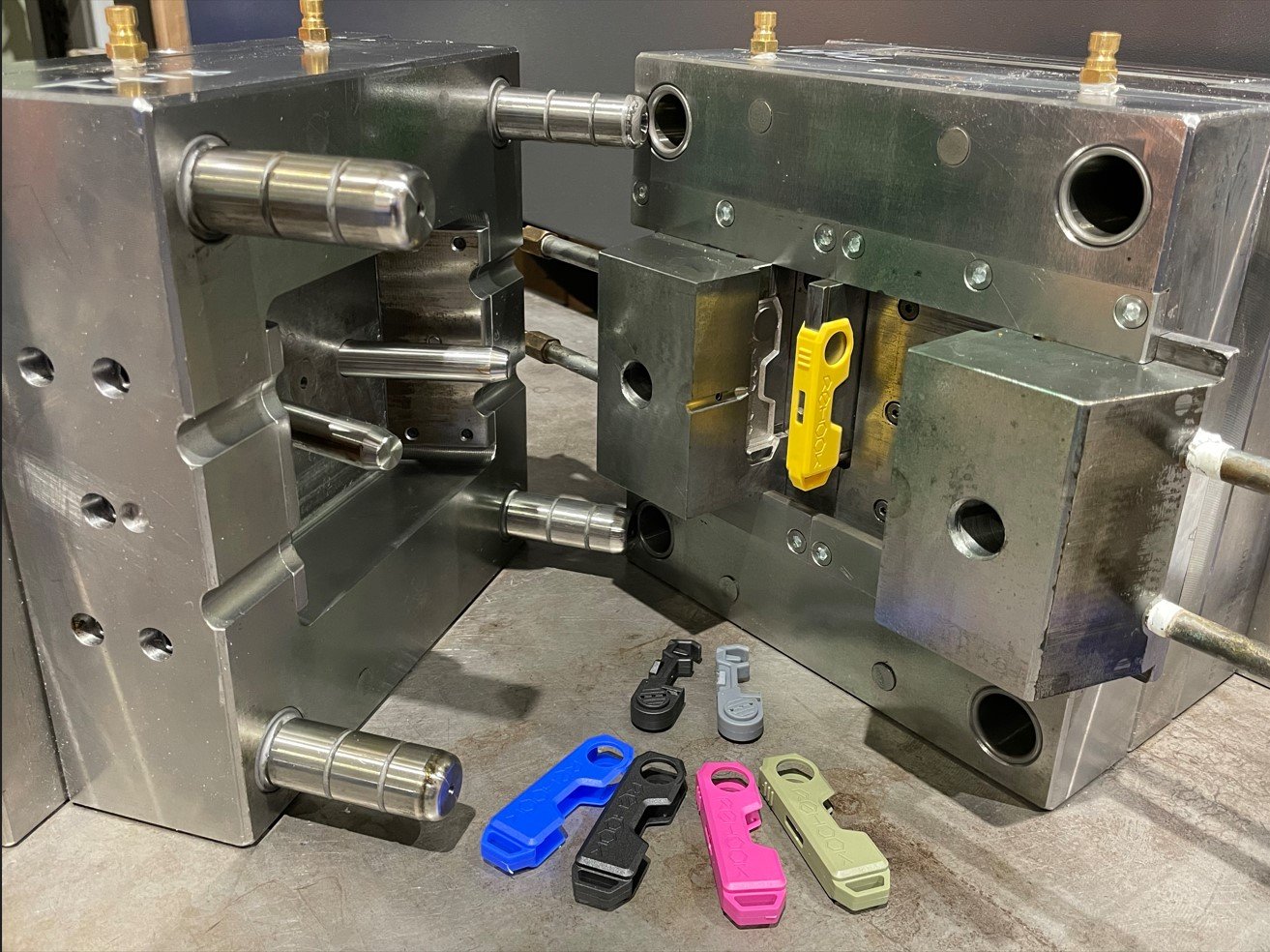
The mold is one of the most important parts of an injection molding project. Its design influences the component’s accuracy, finish, production speed, rejection rate, and overall manufacturing cost.
As a professional injection molding provider Denmark companies can work with, we evaluate factors such as:
- Part geometry
- Draft angles
- Undercuts
- Gate position
- Ejection method
- Cooling channels
- Parting lines
- Venting
- Mold material
- Cavity quantity
- Expected tool life
- Surface finish
- Production volume
We can develop prototype molds for initial manufacturing requirements or hardened production tooling for larger and recurring orders. The selected tooling approach depends on the project budget, product complexity, expected annual volume, required cycle time, and long-term manufacturing strategy.
Before manufacturing begins, the mold design can be reviewed to ensure that critical features and manufacturing requirements have been addressed.
Design for Manufacturing Support
A product may look correct in a three-dimensional design file but still require adjustments before it can be manufactured efficiently. Design for manufacturing, commonly called DFM, helps identify these issues before the mold is produced.
Our DFM review can evaluate:
- Wall thickness consistency
- Rib and boss design
- Sharp internal corners
- Draft requirements
- Gate location
- Ejector-pin position
- Undercut requirements
- Mold construction
- Shrinkage allowances
- Cosmetic surface areas
- Critical dimensions
- Material flow
Where improvements are possible, we provide practical recommendations. The aim is not to change the purpose of your product. Instead, we help make the component easier to mold, more consistent, and potentially more economical.
Working with an experienced injection molding supplier Denmark businesses trust can reduce the risk of expensive tooling modifications after the mold has already been manufactured.
Plastic Materials for Injection Molding
The selected plastic material affects the strength, flexibility, durability, appearance, weight, and performance of the finished part. Choosing a material based only on its price may lead to performance problems after the product enters the market.
We can work with commonly used thermoplastics and engineering plastics, including:
ABS
ABS provides good impact resistance, dimensional stability, and surface appearance. It is commonly used for housings, consumer products, and automotive parts.
Polypropylene
Polypropylene is lightweight, economical, chemically resistant, and suitable for components that require flexibility or living hinges.
Polyethylene
Polyethylene offers moisture resistance, durability, and good chemical performance. It is used for containers, covers, and various industrial products.
Polycarbonate
Polycarbonate provides high impact strength, dimensional stability, and transparency in suitable grades. It is often used for protective and technical components.
Nylon
Nylon is suitable for mechanical components that require strength, wear resistance, and temperature performance.
POM
POM, also known as acetal, provides low friction, good dimensional accuracy, and excellent performance for gears, clips, and moving parts.
TPU and TPE
Flexible materials such as TPU and TPE are used for grips, seals, protective sections, and soft-touch components.
PMMA
PMMA can provide optical clarity and an attractive appearance for transparent or decorative products.
Material recommendations can be based on operating temperature, chemical exposure, UV exposure, load requirements, flexibility, flame resistance, colour, surface finish, and expected product life.
Prototype and Low-Volume Injection Molding
Some businesses believe injection molding is suitable only for extremely large production quantities. However, prototype tooling and low-volume molding can also support product testing, market validation, investor demonstrations, pilot production, and initial sales.
Low-volume molding provides production-like parts made from the intended plastic material. These components can offer a more realistic evaluation than parts produced through some rapid-prototyping technologies.
Prototype injection molding may be suitable when you need to:
- Test product performance
- Validate assembly
- Check material behaviour
- Produce samples for customers
- Complete certification testing
- Launch a limited product quantity
- Reduce initial tooling investment
- Confirm market demand
Once demand increases, the project can move toward higher-capacity tooling and larger production quantities.
High-Volume Plastic Injection Molding
For established products, injection molding provides an efficient way to manufacture thousands or millions of consistent components. Multi-cavity molds, automated processes, controlled cycle times, and reliable production planning can reduce the cost of each part.
Our high-volume plastic injection molding Denmark solutions focus on:
- Stable production processes
- Consistent raw materials
- Repeatable cycle times
- Preventive mold maintenance
- In-process quality checks
- Batch traceability
- Production documentation
- Reliable order scheduling
We can also review packaging, assembly, and delivery requirements to create a more complete supply solution.
Insert Molding and Overmolding
Insert molding allows metal or other pre-manufactured components to be placed inside a mold before plastic is injected. The plastic forms around the insert, producing a combined component.
This process may be used for threaded inserts, electrical contacts, bushings, pins, and reinforced structural features.
Overmolding involves applying one material over another. It is commonly used to create soft-touch grips, flexible seals, protective sections, and multi-material components.
Both processes can reduce separate assembly operations and create stronger integration between materials. Their suitability depends on component design, material compatibility, tooling requirements, and production volume.
Quality Control for Injection-Molded Components
Quality control should be included throughout the manufacturing process rather than being performed only after production is completed.
Depending on your project, inspection procedures may include:
- Incoming material verification
- First-article inspection
- Dimensional inspection
- Visual inspection
- Functional testing
- Assembly testing
- Colour comparison
- Surface-finish evaluation
- In-process production checks
- Final random inspection
- Packaging inspection
Measurement equipment can be selected according to the component’s tolerances and critical features. Inspection reports and other quality documents may also be prepared when required.
Our goal as an injection molding manufacturer Denmark customers can depend on is to identify potential problems early and maintain consistent results throughout production.
Surface Finishes and Secondary Operations
Injection-molded components can be produced with different visual and tactile characteristics. The final finish may be created directly through the mold surface or added after molding.
Available options may include:
- Polished surfaces
- Matte textures
- Fine technical textures
- Custom colours
- Pad printing
- Screen printing
- Laser marking
- Painting
- Ultrasonic welding
- Heat staking
- Adhesive bonding
- Component assembly
- Custom packaging
These services can help transform individual molded parts into finished or semi-finished products ready for distribution or final installation.
Plastic Injection Molding Near Me
Businesses searching online for plastic injection molding near me are often looking for fast communication, dependable project support, reasonable lead times, and convenient delivery.
Your manufacturing partner does not necessarily need to operate in the same neighbourhood to provide responsive service. Modern communication, digital design reviews, structured quality reporting, sample deliveries, and organised logistics make it possible to manage projects efficiently across different locations.
We support customers throughout Denmark, including businesses in Copenhagen, Aarhus, Odense, Aalborg, Esbjerg, Randers, Kolding, Horsens, Roskilde, and surrounding industrial areas.
Our team keeps you informed throughout the project so that you can review progress, approve samples, and plan your product launch or production schedule.
Why Choose Our Injection Molding Services?
A successful injection molding project requires coordination between product design, engineering, tooling, materials, manufacturing, inspection, packaging, and logistics.
Customers choose our services because we provide:
Engineering-Focused Project Support
We examine the technical requirements of the component and help identify opportunities to improve manufacturability.
Flexible Production Quantities
Our services can support prototype runs, bridge production, low-volume orders, and large-scale manufacturing.
Broad Material Options
We help customers compare materials based on performance, appearance, availability, and budget.
Clear Communication
Customers receive practical information about tooling, samples, production stages, and potential project risks.
Quality-Focused Manufacturing
Inspection requirements are planned according to the component’s function, dimensions, and application.
Long-Term Supply Support
We aim to build lasting manufacturing relationships instead of handling only one-time orders.
When selecting an injection molding company Denmark, it is important to choose a partner that understands both the technical and commercial sides of manufacturing.
Our Injection Molding Process
Our typical project process includes the following stages:
1. Project Review
You provide three-dimensional files, two-dimensional drawings, material requirements, production quantities, colour requirements, and other relevant information.
2. Quotation
We prepare a quotation based on the component design, mold construction, selected material, quantity, finishing, inspection, and packaging requirements.
3. DFM Analysis
Our team reviews the design and presents recommendations before mold manufacturing begins.
4. Mold Manufacturing
After approval, the mold is manufactured according to the agreed specifications.
5. Sample Production
Initial samples are produced and inspected. Samples are then submitted for customer evaluation.
6. Mold Adjustments
Where necessary, adjustments are completed based on sample results and customer feedback.
7. Production
After sample approval, the project moves into the planned production quantity.
8. Inspection and Delivery
Finished parts are inspected, packaged, and prepared for delivery to the customer.
This structured method provides better visibility and reduces uncertainty throughout the project.
Request a Quote from an Injection Molding Supplier in Denmark
Whether you are developing a completely new product, improving an existing component, replacing an unreliable supplier, or expanding your production capacity, our team is ready to review your requirements.
To receive an accurate quotation, provide the following information where available:
- 3D CAD file
- 2D technical drawing
- Required plastic material
- Estimated order quantity
- Annual production forecast
- Colour requirements
- Surface-finish requirements
- Critical tolerances
- Intended product application
- Packaging requirements
- Target delivery date
Even when your project is still at an early stage, we can review the available information and explain the next steps.
Contact us today to discuss your project with a professional injection molding provider in Denmark. We can help you develop reliable molds, select appropriate materials, manufacture consistent plastic parts, and build a scalable production solution.
Frequently Asked Questions About Injection Molding in Denmark
What does an injection molding manufacturer do?
An injection molding manufacturer designs or sources molds and uses them to manufacture plastic components. The manufacturer may also provide engineering, material selection, finishing, inspection, assembly, and packaging services.
How do I choose an injection molding company in Denmark?
Review the company’s engineering capabilities, tooling experience, material knowledge, quality-control process, communication, lead times, production capacity, and experience with similar components.
Is injection molding suitable for low-volume production?
Yes. Prototype and low-volume molds can make injection molding practical for product testing, pilot runs, bridge production, and limited market launches.
How much does an injection mold cost?
The cost depends on part size, geometry, mold material, cavity quantity, tolerances, surface finish, expected tool life, and required production volume. A technical drawing or 3D file is normally required for an accurate quotation.
How long does an injection molding project take?
Lead time depends on the mold’s complexity, material availability, sample approval, testing requirements, and production quantity. Simple molds generally require less time than complex multi-cavity or multi-action tools.
Which plastic material should I use?
The correct material depends on strength, flexibility, temperature, chemical resistance, UV exposure, colour, finish, regulatory requirements, and budget. An experienced supplier can help compare suitable options.
Can you manufacture custom-coloured plastic parts?
Yes. Plastic components can be produced in standard colours, custom colours, transparent materials, and special visual finishes, depending on the selected resin.
Do you provide design assistance?
Design for manufacturing support can be provided to identify wall-thickness problems, draft requirements, difficult undercuts, gate locations, ejection issues, and other factors affecting production.
Can injection-molded parts include metal inserts?
Yes. Insert molding can combine plastic with threaded inserts, contacts, pins, bushings, and other pre-manufactured components.
Do you supply injection-molded products throughout Denmark?
Injection molding services can be coordinated for customers across Denmark, including Copenhagen, Aarhus, Odense, Aalborg, Esbjerg, Kolding, Randers, and surrounding locations.

 20+ Years Experience