plastic injection molding company in Norway
Finding a dependable injection molding manufacturer in Norway is essential when your business requires accurate, durable, and cost-effective plastic components. From initial product design and mold development to prototyping, mass production, assembly, and quality inspection, a professional manufacturing partner can help you manage every stage of your project.
We provide customized plastic injection molding solutions for businesses across Norway. Our manufacturing capabilities support projects ranging from simple plastic components to technically complex parts with tight tolerances, detailed surfaces, and demanding performance requirements.
Get In Touch With Us
3 Steps For Precision Manufacturing

Share Your Files
We’ll sign an MNDA and assess manufacturability for free.
Recieve A Quote
Clear pricing and lead times, no
surprises.

Place Your Order
Lock in production and move forward with confidence.
Our Testimonials
our client say's
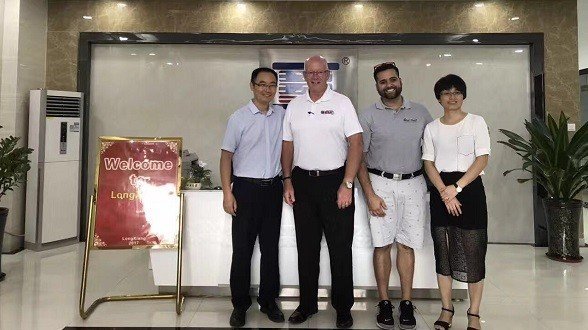
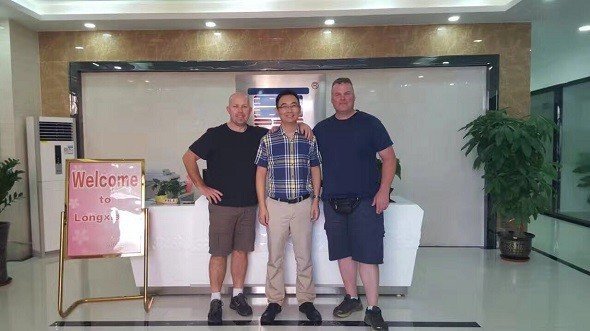
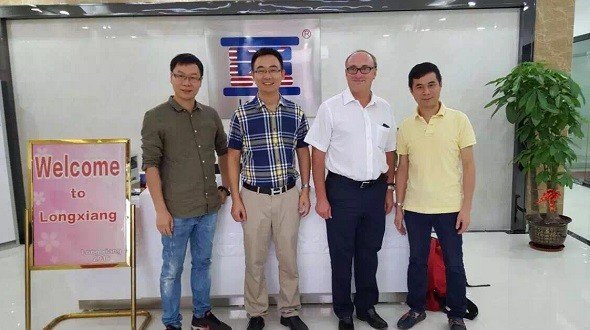
At LXG Mold Tooling, we believe great products start with great tools. As a global leader in injection mold tooling and high-precision plastic manufacturing, we’ve built our reputation on quality, speed, and trust.
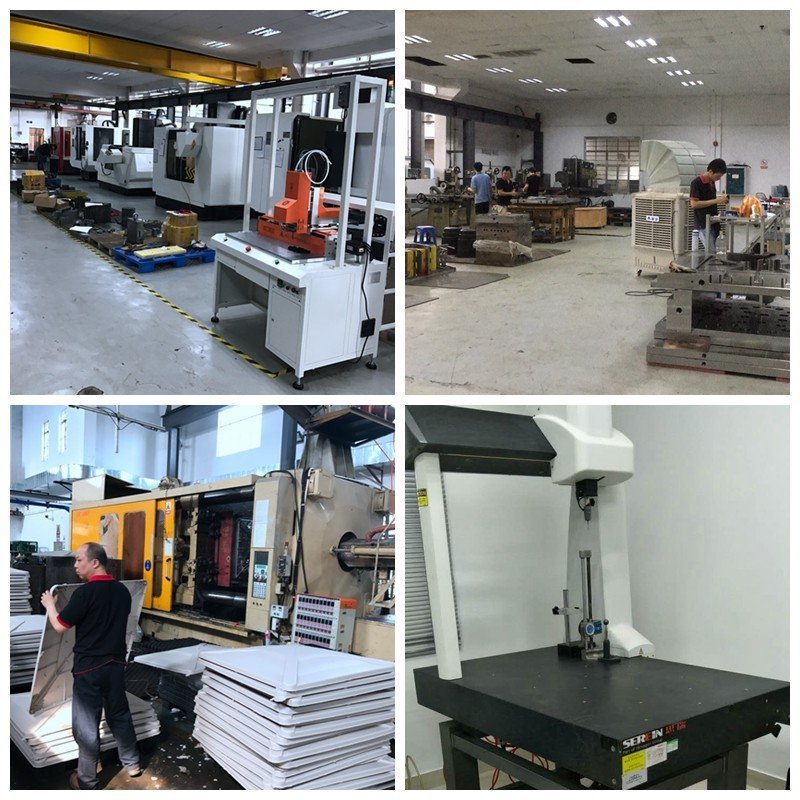
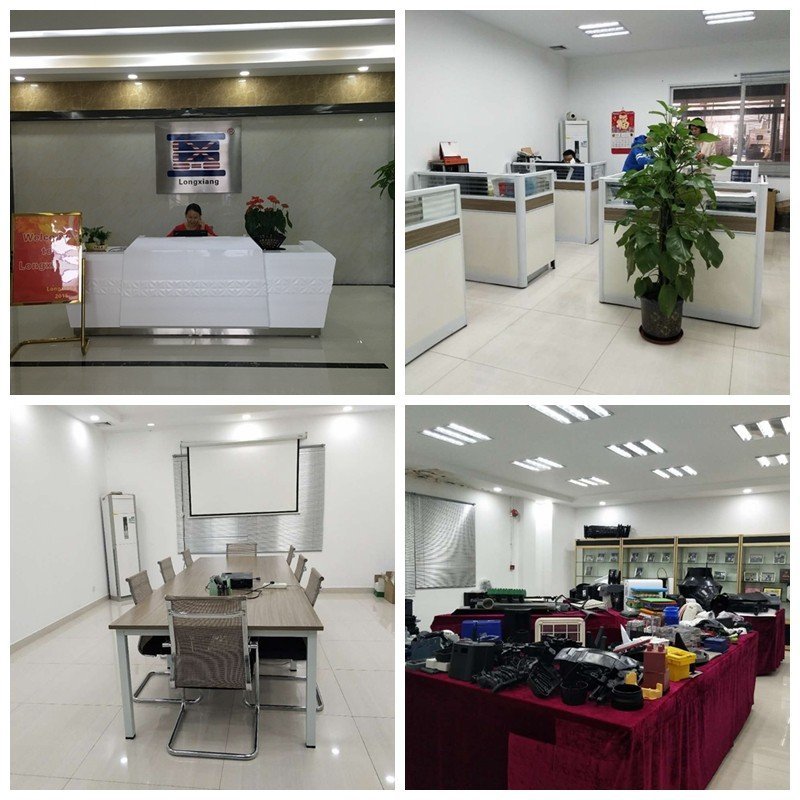
Founded in 2000 as part of LongXiang-Ltd, our company has grown into one of China’s most reputable mold-making and injection molding partners. With a 5,000 sq. meter facility, 120+ skilled professionals, and state-of-the-art equipment, we provide end-to-end solutions — from concept validation and rapid tooling injection molding prototypes to mass production with durable injection molding tools.
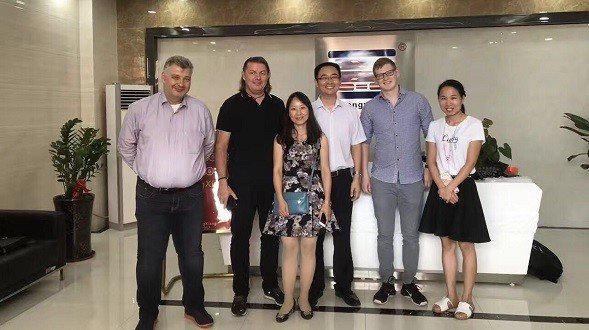
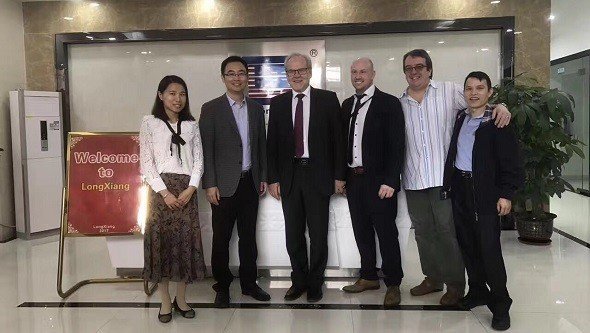
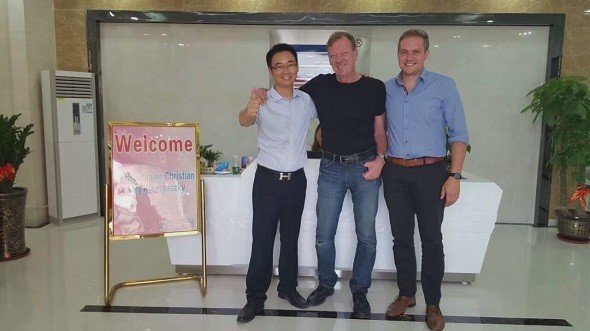
Get A Quote Now and let’s build smarter, faster, and stronger — together.
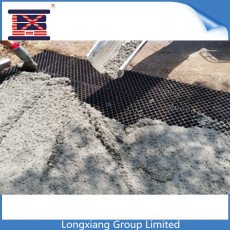
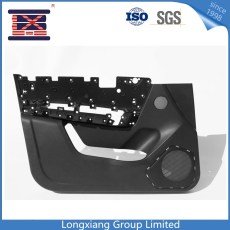
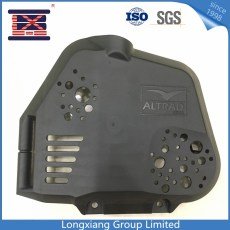
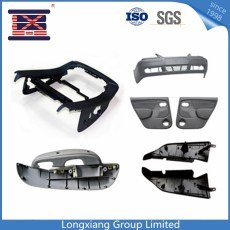
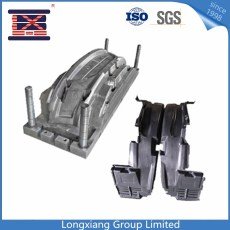
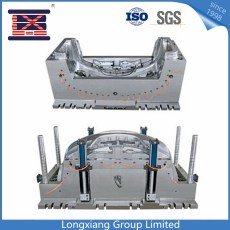
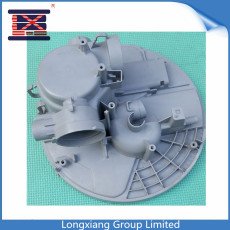
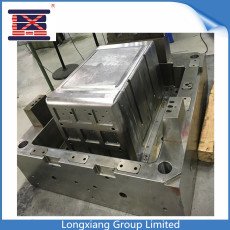
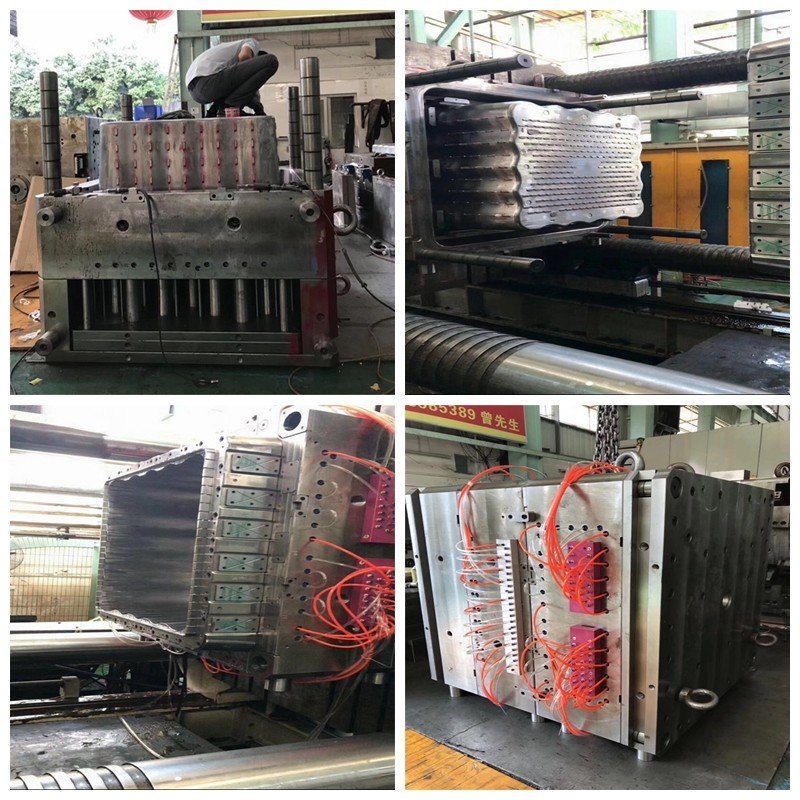
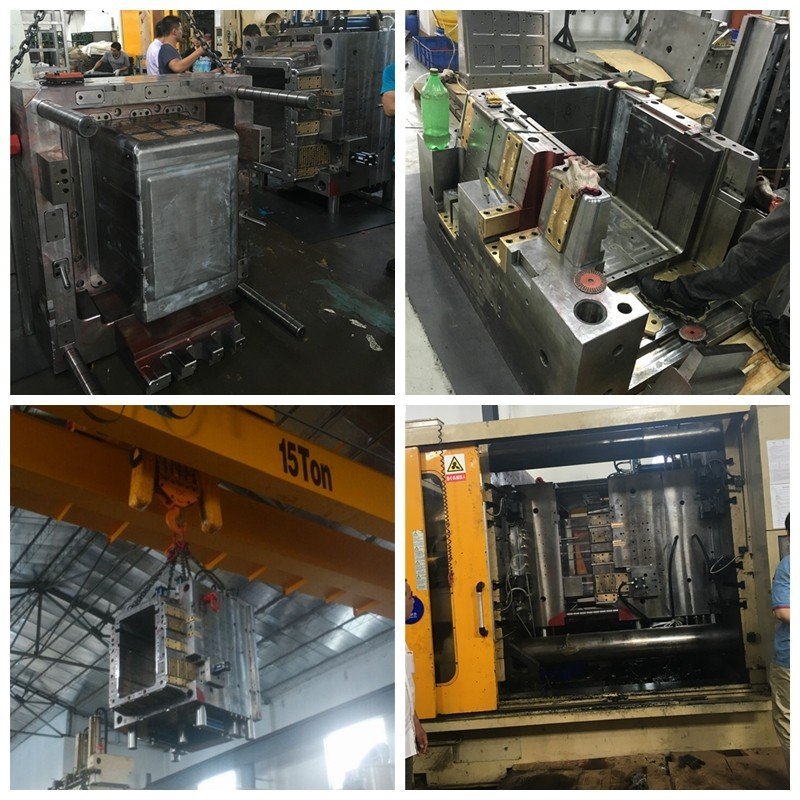
Professional Plastic Injection Molding Norway Businesses Can Rely On
Plastic injection molding is one of the most effective manufacturing methods for producing consistent plastic components in medium and high quantities. The process involves heating plastic material until it becomes molten and injecting it under pressure into a specially manufactured mold.
Once the plastic cools and solidifies, the mold opens and the finished part is removed. This process can be repeated efficiently, allowing manufacturers to produce thousands or millions of nearly identical parts.
Businesses searching for plastic injection molding Norway services often need more than access to molding machines. Successful production also requires proper product design, material selection, mold engineering, process control, inspection, and supply chain management.
Our complete approach helps customers move from a product idea or technical drawing to stable and repeatable production.
Complete Injection Molding Services for Norway
Our injection molding services can be customized according to the current stage of your project. You may already have production-ready drawings, an existing mold, a physical sample, or only an early product concept.
Product Design and Engineering Support
A well-designed plastic component is easier to manufacture, inspect, assemble, and use. Our engineering support can help improve your product before mold production begins.
We review important design elements such as:
- Wall thickness
- Draft angles
- Ribs and supporting features
- Undercuts
- Parting lines
- Gate positions
- Ejector locations
- Surface finishes
- Shrinkage
- Assembly requirements
- Expected production quantities
Design for manufacturability analysis can identify possible problems before they result in expensive tooling changes. It may also help shorten production cycles, reduce material consumption, improve part strength, and maintain consistent quality.
Custom Injection Mold Manufacturing
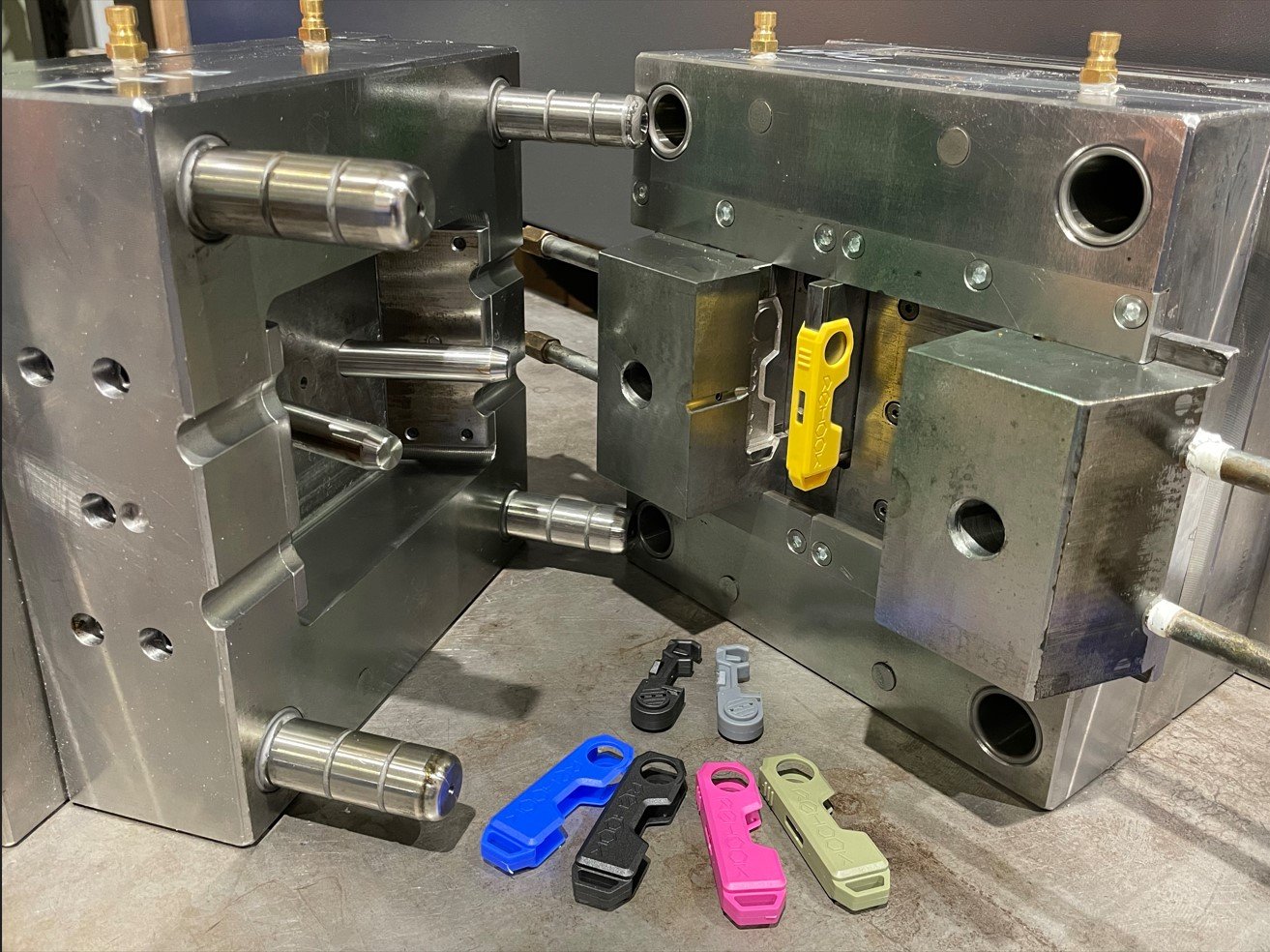
The mold is one of the most important elements of an injection molding project. Its design, steel selection, cooling system, cavity arrangement, and construction quality influence the accuracy, appearance, lifespan, and production cost of the final product.
We support the development of custom molds for a wide range of applications. Depending on the project, tooling options may include:
- Prototype molds
- Single-cavity molds
- Multi-cavity molds
- Family molds
- Insert molding tools
- Overmolding tools
- Unscrewing molds
- Hot-runner molds
- Cold-runner molds
Before mold production begins, technical details and manufacturing expectations are reviewed carefully. Tool trials and sample inspections are then conducted to confirm that the mold can produce parts according to the agreed requirements.
Plastic Injection Molding Production
Our production services are suitable for a variety of component sizes, shapes, materials, and order quantities. Manufacturing parameters are controlled to support stable and repeatable production.
Important process conditions may include injection pressure, temperature, holding pressure, cooling time, clamping force, and cycle time. These settings are adjusted according to the selected plastic, mold design, component geometry, and quality expectations.
As an injection molding provider for Norway, we can support initial production runs as well as repeat orders and long-term manufacturing programs.
Prototype and Low-Volume Production
Not every project needs immediate mass production. Prototypes and low-volume components can help businesses evaluate a design, test assembly, present a product to investors, collect customer feedback, or complete certification procedures.
Prototype molding may also help determine whether a product is ready for larger production quantities. When changes are needed, they can be made before investing in a more complex or higher-capacity production mold.
Our team can recommend a suitable manufacturing option based on the quantity, part complexity, material, expected product lifespan, and future production plan.
Insert Molding
Insert molding combines a prepared insert with molded plastic in a single manufacturing process. The insert is positioned inside the mold before the plastic is injected around it.
Metal inserts, threaded components, pins, electrical elements, and other parts may be incorporated into the molded component. This method can improve product strength, simplify assembly, reduce separate manufacturing steps, and create a more integrated product.
Insert molding is commonly used in electrical products, automotive components, industrial equipment, medical devices, and technical assemblies.
Overmolding
Overmolding involves molding one material over another component or substrate. It is often used to add a soft-touch surface, ergonomic grip, protective layer, seal, vibration-resistant area, or decorative feature.
Common applications include handles, tool grips, buttons, seals, connectors, protective covers, and consumer products.
Material compatibility is important in overmolding. The selected materials must provide the required bonding, flexibility, chemical resistance, temperature resistance, and appearance.
Plastic Materials for Injection Molding
Material selection affects the strength, weight, flexibility, appearance, durability, and cost of a plastic component. Different applications require different levels of mechanical, thermal, electrical, and chemical performance.
Materials commonly used for injection molding include:
ABS
ABS provides a useful balance of strength, impact resistance, surface appearance, and processability. It is commonly used for housings, covers, consumer products, electronic components, and automotive interior parts.
Polypropylene
Polypropylene is lightweight, chemically resistant, and suitable for products that require flexibility. It is often used for packaging, living hinges, containers, laboratory items, automotive parts, and household products.
Polyethylene
Polyethylene is available in several grades and offers good chemical resistance and moisture resistance. It is used for containers, caps, industrial components, consumer products, and protective parts.
Polycarbonate
Polycarbonate offers strong impact resistance and can be used when transparency or dimensional stability is required. Applications include protective covers, electrical housings, lighting parts, and technical components.
Polyamide
Polyamide, commonly known as nylon, provides useful mechanical strength, wear resistance, and temperature performance. It is frequently selected for gears, clips, brackets, mechanical components, and automotive applications.
POM
POM is suitable for precision mechanical parts requiring low friction, good dimensional stability, and wear resistance. Common products include gears, bearings, fasteners, and moving components.
PMMA
PMMA is often selected for transparent products requiring optical clarity and an attractive surface. It can be used for lighting products, display components, lenses, and decorative applications.
TPE and TPU
TPE and TPU materials provide flexibility, grip, impact protection, and soft-touch properties. They are commonly used in overmolded products, seals, protective covers, handles, and wearable components.
Material recommendations are based on the actual product environment. Factors such as temperature, UV exposure, chemicals, stress, impact, moisture, regulations, appearance, and cost should all be considered.
Injection Molding Quality Control
Quality control should be included throughout the manufacturing process rather than performed only after production has been completed.
Our quality procedures may include:
- Raw material verification
- Dimensional inspection
- First article inspection
- Visual examination
- Color comparison
- Surface finish inspection
- Assembly testing
- Functional testing
- Production monitoring
- Packaging inspection
- Final pre-shipment inspection
Inspection equipment may include calipers, micrometers, gauges, measuring microscopes, color measurement devices, and coordinate measuring systems, depending on the project.
When required, inspection standards and acceptable tolerances can be confirmed before production begins. This creates clearer expectations and helps prevent misunderstandings during manufacturing.
Industries We Support
As an experienced injection molding supplier for Norway, we support customers from a variety of sectors.
Automotive Components
Injection molding can be used to produce clips, brackets, covers, housings, interior components, electrical connectors, buttons, and under-the-hood parts.
Automotive applications often require consistent dimensions, stable materials, dependable appearance, and resistance to heat, vibration, chemicals, or impact.
Electronics and Electrical Products
Plastic components are widely used in electrical housings, connectors, switch parts, cable accessories, control panels, insulating parts, and protective enclosures.
Material selection may depend on flame resistance, electrical insulation, dimensional stability, and temperature requirements.
Medical and Healthcare Products
Medical and healthcare products require careful material selection, controlled production, documentation, cleanliness, and reliable quality.
Potential products include device housings, diagnostic equipment components, laboratory items, disposable products, caps, connectors, and equipment accessories.
Applicable regulatory, testing, and documentation requirements should be identified during the early stages of the project.
Industrial Equipment
Injection-molded components can be used in machinery, tools, measuring equipment, automation systems, safety products, and factory equipment.
Industrial parts may need resistance to chemicals, repeated movement, friction, impact, moisture, pressure, or changing temperatures.
Consumer Products
Consumer applications include household products, kitchen accessories, personal care packaging, sports equipment, toys, storage products, handles, and everyday accessories.
These projects often require a combination of functionality, competitive pricing, attractive appearance, and reliable production.
Packaging and Containers
Plastic injection molding is commonly used for caps, closures, containers, dispensers, measuring components, and packaging accessories.
Molded packaging can provide accurate shapes, consistent sealing features, recognizable colors, and efficient production for large quantities.
Our Injection Molding Process
A structured process helps keep the project organized and reduces the risk of avoidable delays.
1. Project Review
You can provide drawings, 3D files, samples, material details, target quantities, quality standards, and application information.
Our team reviews the available details and identifies any information required before pricing or production planning.
2. Design Evaluation
The component design is evaluated for manufacturability. Potential issues involving wall thickness, draft, undercuts, shrinkage, ejection, gating, and assembly may be identified.
Recommended changes can be discussed before the tooling stage.
3. Material and Tooling Recommendation
A suitable plastic material and mold construction are proposed based on the product requirements, expected quantities, component complexity, surface finish, and budget.
4. Mold Production
After the tooling plan has been approved, mold manufacturing begins. The mold components are machined, fitted, assembled, polished, and prepared for testing.
5. Mold Trial and Sampling
The mold is installed in an injection molding machine for testing. Initial samples are produced and evaluated for dimensions, appearance, molding defects, fit, and function.
Adjustments may be completed when required.
6. Production Approval
Once the samples meet the confirmed requirements, the project can move into production. Inspection procedures, packaging, quantities, and delivery arrangements are finalized.
7. Manufacturing and Inspection
Production conditions are monitored to maintain stable output. Components are inspected according to the agreed quality requirements.
8. Packaging and Delivery
Finished parts are counted, protected, packed, labeled, and prepared for shipment. Packaging can be adapted to the fragility, surface requirements, assembly needs, and transportation method of the components.
Why Choose Our Injection Molding Company?
Selecting an injection molding company in Norway or an international manufacturing partner serving Norway should involve more than comparing the lowest quotations.
A reliable supplier should understand your technical requirements, communicate clearly, identify possible production risks, and maintain quality throughout the project.
Technical Manufacturing Support
We help evaluate product designs, material options, mold structures, tolerances, and production requirements before manufacturing begins.
This technical preparation can prevent avoidable mold modifications and production difficulties.
Custom Manufacturing Solutions
Every injection molding project is different. The suitable manufacturing method depends on part dimensions, design complexity, material, quantities, application, tolerances, and budget.
We develop solutions according to the project rather than offering the same process for every component.
Support From Prototype to Production
Customers can use one manufacturing partner for product development, mold production, sampling, low-volume production, and large-scale manufacturing.
This provides better continuity and reduces the need to transfer technical information between multiple suppliers.
Quality-Focused Production
Inspection and process monitoring help maintain consistency during manufacturing. Quality requirements can be discussed and documented before production starts.
Scalable Manufacturing Capacity
Production can be planned according to changing business needs. Customers may begin with smaller quantities and increase production as market demand grows.
Clear Project Communication
Clear communication is particularly important when coordinating manufacturing across different countries. We provide project updates and discuss technical issues during the relevant stages of production.
Looking for Plastic Injection Molding Near Me?
When businesses search online for plastic injection molding near me, they are usually looking for a dependable supplier that can provide responsive communication, efficient delivery, and reliable production support.
However, the nearest molding factory may not always provide the right technical capabilities, material experience, quality standards, production capacity, or tooling expertise.
The most suitable partner is one that can understand your project, produce the required component accurately, manage quality, and provide dependable delivery to Norway.
Our team supports customers across Norway through organized project communication, digital design reviews, sample approval, production monitoring, and coordinated shipping.
Whether your business is based in Oslo, Bergen, Trondheim, Stavanger, Drammen, Kristiansand, Tromsø, Sandnes, Ålesund, or another Norwegian location, we can discuss a manufacturing solution based on your requirements.
Get a Quote From an Injection Molding Provider Norway Businesses Can Trust
Are you developing a new plastic product, replacing an existing supplier, reducing production costs, or preparing for higher-volume manufacturing?
Send us your project details to receive a manufacturing review. Useful information may include:
- 2D drawings
- 3D CAD files
- Product photographs
- Physical samples
- Plastic material requirements
- Surface finish requirements
- Color requirements
- Expected order quantities
- Annual volume
- Quality and testing standards
- Target delivery schedule
Our team will review your requirements and recommend a suitable approach for tooling, sampling, production, quality inspection, packaging, and delivery.
Contact us today to discuss your requirements with an experienced injection molding manufacturer serving Norway.
Frequently Asked Questions About Injection Molding in Norway
What does an injection molding manufacturer do?
An injection molding manufacturer produces plastic components by injecting heated plastic into a custom mold. The manufacturer may also provide product design support, mold development, material selection, sampling, production, assembly, inspection, and packaging.
How do I choose an injection molding company in Norway?
Evaluate the company’s technical capabilities, material experience, quality procedures, mold-making support, production capacity, communication, lead times, and experience with similar components. The lowest quotation may not provide the best long-term manufacturing value.
Is injection molding suitable for low-volume production?
Yes, injection molding can be suitable for low-volume production when the required component quality, material, shape, and repeatability justify the tooling investment. Prototype or simplified molds may help reduce the initial tooling cost.
What information is needed for an injection molding quotation?
A detailed quotation usually requires 2D or 3D drawings, material information, component dimensions, quantity, surface finish, color, tolerances, annual demand, and packaging requirements. A physical sample may also be useful when drawings are unavailable.
How much does a plastic injection mold cost?
The cost depends on component size, complexity, number of cavities, mold material, tolerances, surface finish, expected mold life, runner system, and production quantity. A detailed design review is required to provide an accurate price.
Which plastic materials can be injection molded?
Common materials include ABS, polypropylene, polyethylene, polycarbonate, polyamide, POM, PMMA, TPE, and TPU. Engineering plastics and reinforced compounds can also be used for applications requiring additional strength or temperature resistance.
How long does an injection molding project take?
The lead time depends on the complexity of the part and mold. It includes design evaluation, mold manufacturing, trial production, inspection, corrections, sample approval, and final production. Complex tooling generally requires more development time.
Can you manufacture parts from an existing sample?
In many cases, an existing component can be evaluated and recreated. However, measurements, material identification, performance requirements, tolerances, and intellectual property rights should be reviewed before mold development begins.
Do you provide mold testing and samples?
Yes, mold testing and sample production are important stages of the development process. Samples can be inspected for dimensions, surface quality, assembly, appearance, and function before full production is approved.

 20+ Years Experience