plastic injection molding company in Liverpool
Finding a reliable injection molding manufacturer in Liverpool is an important step when your business requires accurate, durable and cost-effective plastic components. Whether you are developing a new product, improving an existing component or preparing for large-scale production, the right manufacturing partner can help you achieve consistent quality while controlling costs and lead times.
Get In Touch With Us
3 Steps For Precision Manufacturing

Share Your Files
We’ll sign an MNDA and assess manufacturability for free.
Recieve A Quote
Clear pricing and lead times, no
surprises.

Place Your Order
Lock in production and move forward with confidence.
Our Testimonials
our client say's
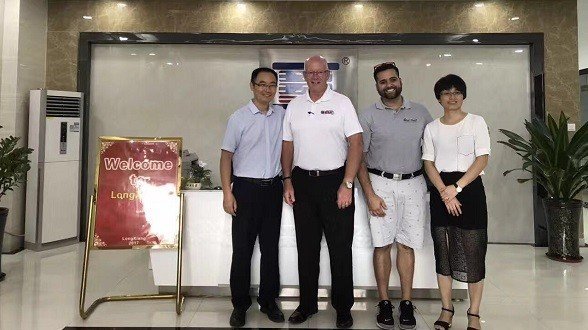
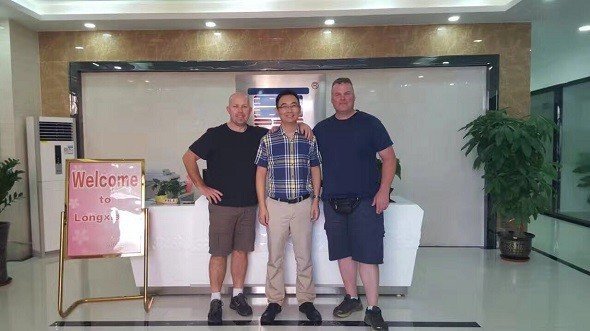
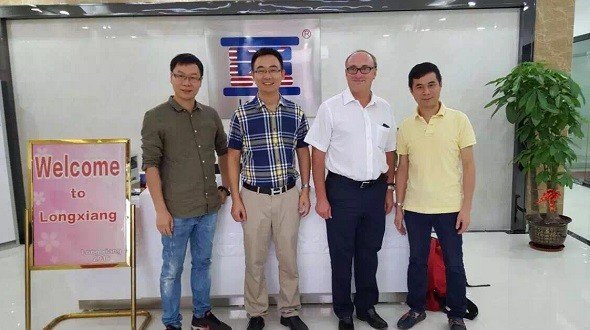
At LXG Mold Tooling, we believe great products start with great tools. As a global leader in injection mold tooling and high-precision plastic manufacturing, we’ve built our reputation on quality, speed, and trust.
Founded in 2000 as part of LongXiang-Ltd, our company has grown into one of China’s most reputable mold-making and injection molding partners. With a 5,000 sq. meter facility, 120+ skilled professionals, and state-of-the-art equipment, we provide end-to-end solutions — from concept validation and rapid tooling injection molding prototypes to mass production with durable injection molding tools.
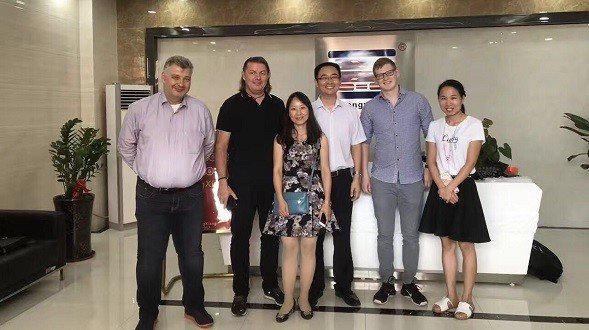
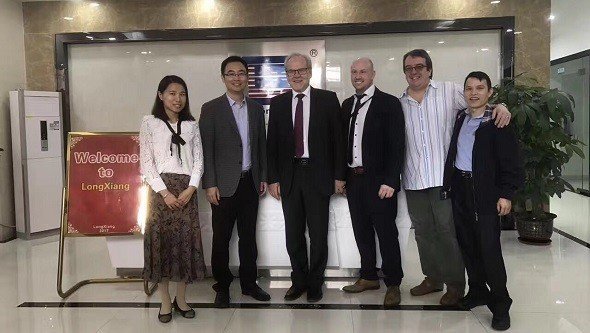
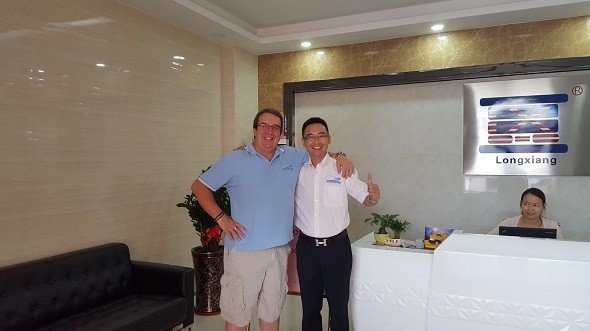
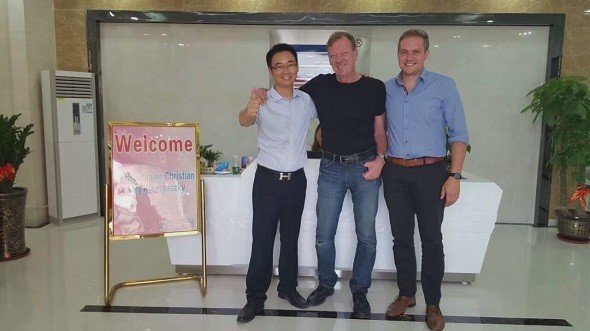
Get A Quote Now and let’s build smarter, faster, and stronger — together.
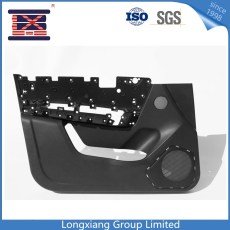
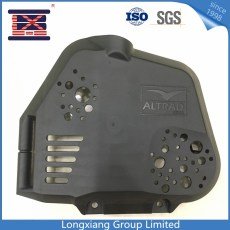
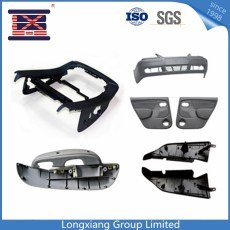
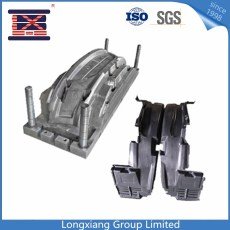
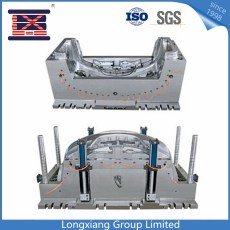
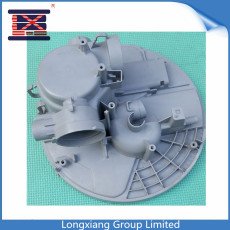
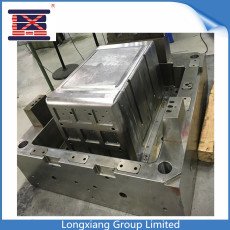
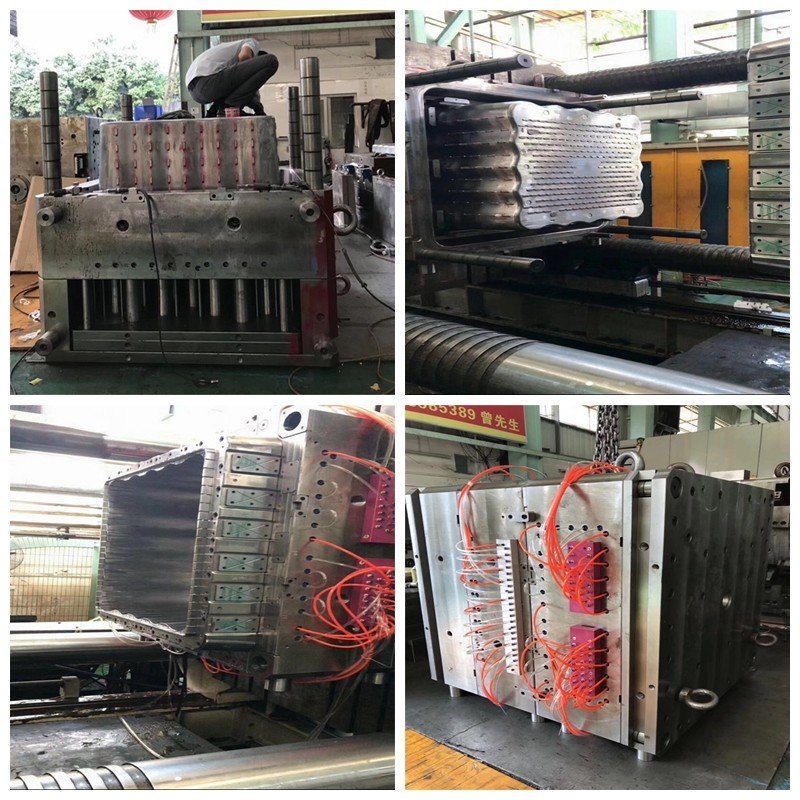
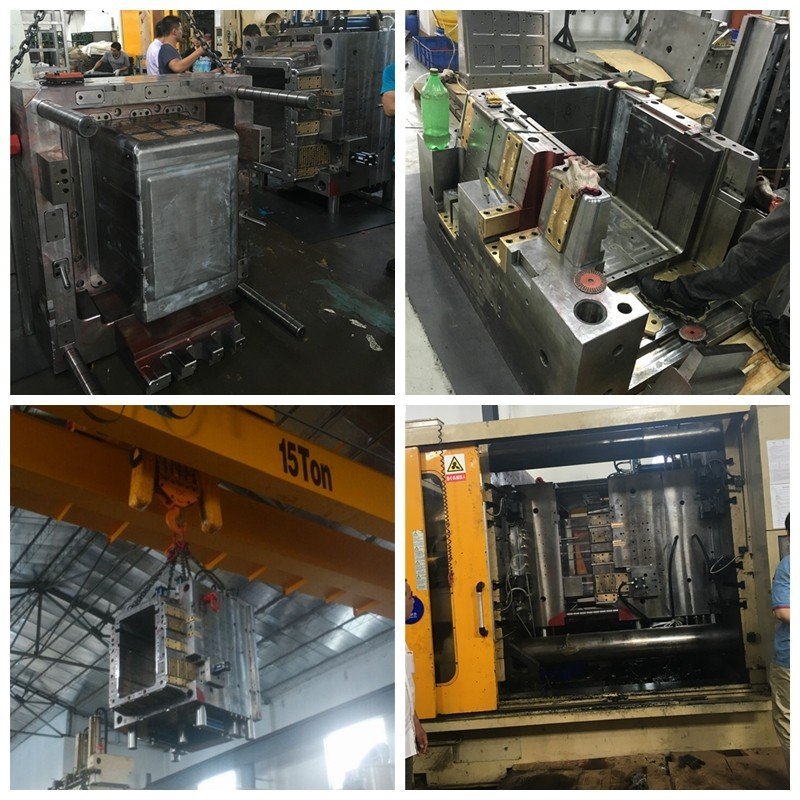
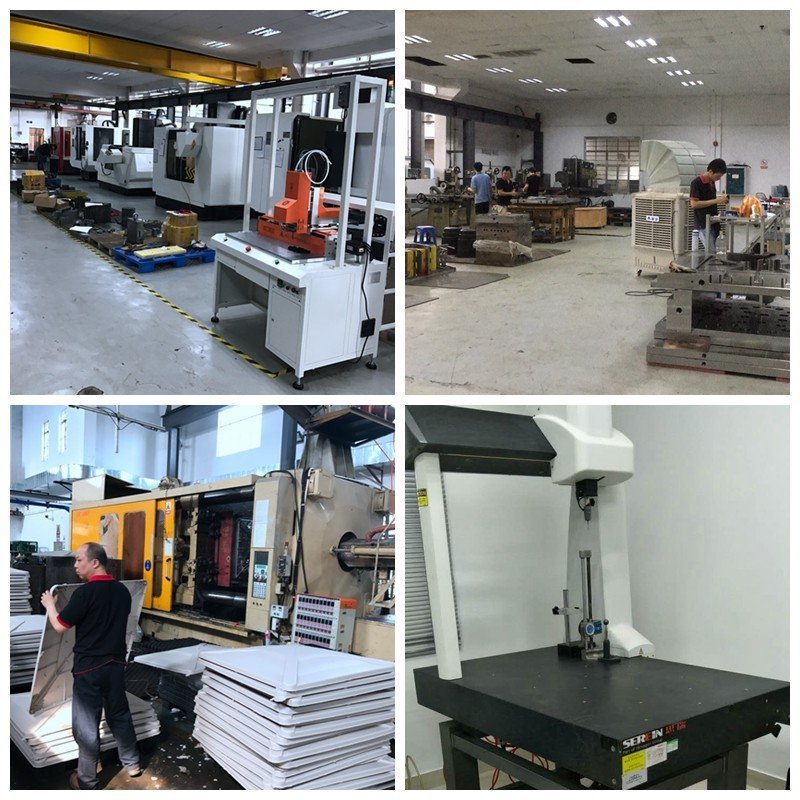
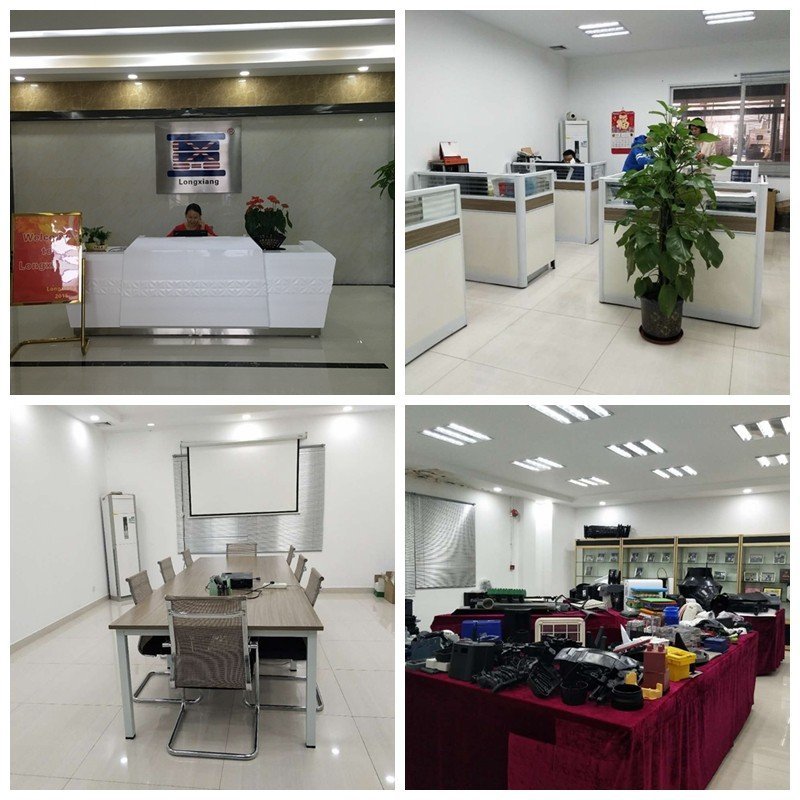
Complete Plastic Injection Molding Services in Liverpool
Plastic injection molding is one of the most efficient methods for manufacturing repeatable plastic components. The process involves heating plastic material until it becomes molten and then injecting it into a specially designed mold. Once the material cools and solidifies, the finished component is removed from the mold.
The process makes it possible to produce complex shapes with excellent accuracy and repeatability. It is widely used for products that need to be manufactured in medium or high volumes.
Our plastic injection molding Liverpool services can support projects from early product development through to regular production. We work closely with customers to understand the purpose of the component, expected production volume, operating environment, material requirements and quality standards.
Our services can include:
- Plastic component design support
- Design-for-manufacturing analysis
- Material selection guidance
- Prototype and sample development
- Injection mold design
- Mold and tooling production
- Low-volume manufacturing
- Medium-volume production
- High-volume injection molding
- Insert molding
- Overmolding
- Component assembly
- Packaging and delivery support
- Quality inspection and documentation
By managing multiple stages of the project through one manufacturing partner, businesses can reduce communication delays and maintain better control over quality.
Why Choose an Injection Molding Company in Liverpool?
Working with an injection molding company in Liverpool can provide practical advantages for businesses that value communication, accessibility and efficient project coordination.
A manufacturer serving Liverpool can offer easier communication during product development, tooling approval, sample inspection and production planning. Customers can discuss technical requirements directly with the manufacturing team and receive clearer updates throughout the project.
Choosing a reliable injection molding partner can provide:
Better Project Communication
Clear communication is essential during injection molding projects. Small misunderstandings relating to dimensions, materials or surface finish can affect the final component. We maintain structured communication from the initial enquiry through tooling, sampling and production.
Reliable Component Quality
Injection molded parts must remain consistent from one production cycle to the next. We use controlled production processes and inspection procedures to maintain dimensional accuracy and repeatable performance.
Scalable Production
Your initial order may involve a limited production run, while future demand may increase considerably. Our manufacturing approach can support suitable projects from early-stage quantities through to larger production volumes.
Technical Support
Customers may need assistance with draft angles, wall thickness, ribs, bosses, undercuts, gate position or material selection. Our technical review helps identify potential manufacturing issues before tooling begins.
Reduced Production Risk
Reviewing the design, material and tooling strategy before production can help prevent expensive modifications later. This makes the overall development process more predictable and efficient.
Injection Molding Provider Liverpool Businesses Can Depend On
Selecting an injection molding provider in Liverpool should involve more than comparing the price per component. Businesses should also consider technical knowledge, mold quality, production capacity, quality procedures and communication.
A poorly designed mold may lead to defects, production interruptions and inconsistent components. Similarly, selecting the wrong plastic material may result in cracking, warping, chemical damage or poor performance.
We take a complete-project approach. Before manufacturing begins, we assess the component design, expected quantities, material properties, tolerance requirements and intended use.
This review allows us to recommend a suitable production method and identify factors that may affect cost, quality or lead time.
Our objective is to help customers produce components that are not only visually acceptable but also suitable for their intended application.
Plastic Injection Molding Near Me
Businesses searching for plastic injection molding near me often want a manufacturer that can offer responsive service and straightforward project management.
Working with an accessible injection molding provider can simplify technical discussions, design reviews, sample approvals and production updates. It also makes it easier to build a long-term manufacturing relationship.
We support customers from Liverpool and surrounding locations with plastic injection molding services tailored to individual project requirements. Whether you require a single molded component or a range of related parts, we can help evaluate the project and develop an appropriate manufacturing plan.
Our team can support:
- New product development
- Replacement of existing molded parts
- Component redesign
- Tooling transfers
- Cost-reduction projects
- Production expansion
- Alternative material evaluation
- Improved product performance
Instead of offering a standard solution for every customer, we assess the specific requirements of each component.
Injection Mold Design and Tooling
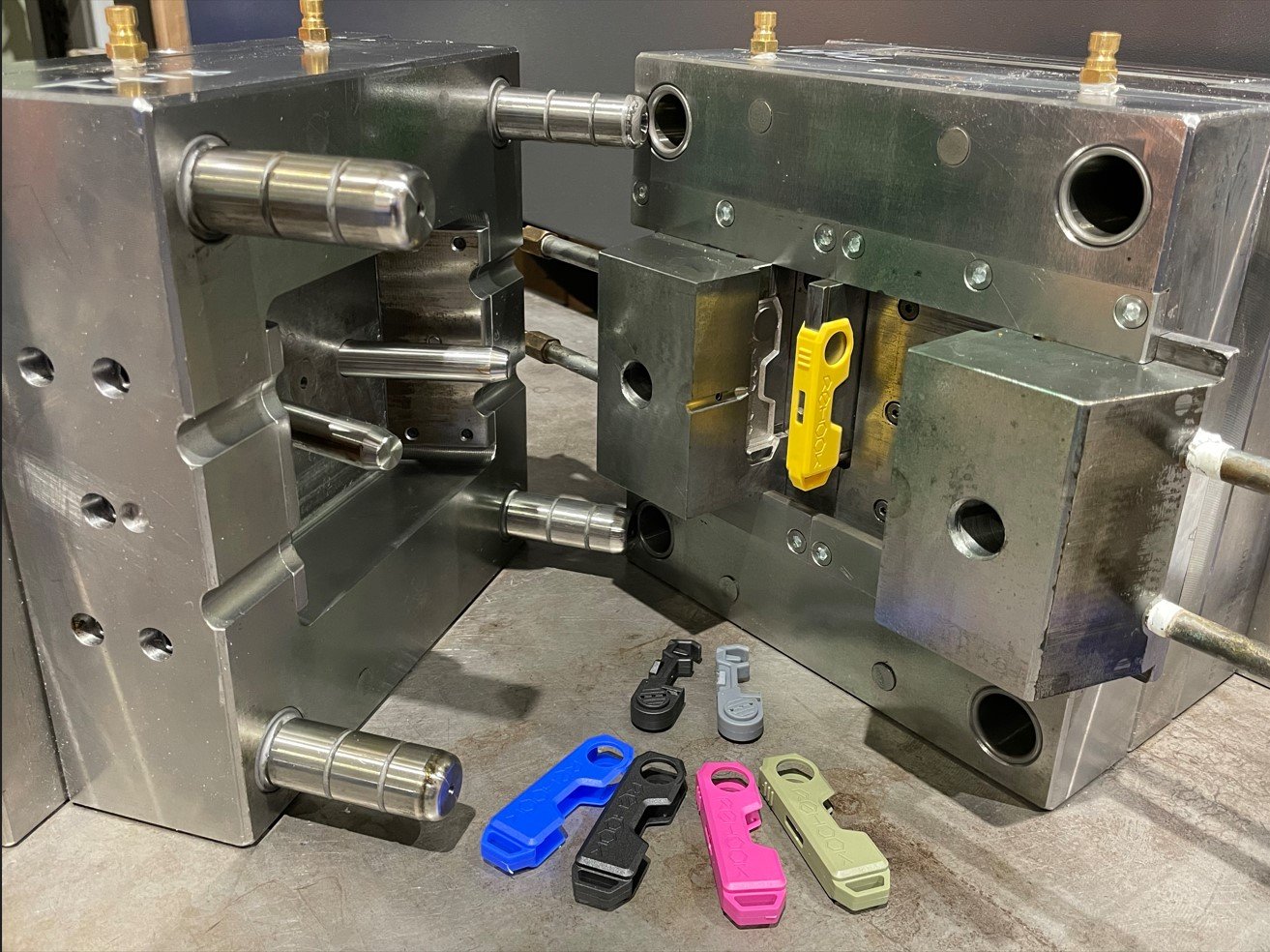
The injection mold is one of the most important parts of the production process. It determines the shape, dimensions, surface texture and many quality characteristics of the finished component.
A professionally designed mold can support efficient cycle times, consistent production and a longer operational life. A poorly planned mold can create problems such as flash, short shots, sink marks, visible weld lines or difficulty removing the component.
Our tooling process may include:
- Reviewing the component design
- Evaluating expected production quantities
- Selecting the appropriate tooling material
- Planning the mold layout
- Determining gate and runner positions
- Designing cooling channels
- Reviewing component ejection
- Manufacturing the mold
- Conducting initial mold trials
- Inspecting and approving samples
Tooling requirements differ depending on component size, complexity, material and expected production volume. Some projects may require a single-cavity mold, while higher-volume projects may benefit from multi-cavity tooling.
As your injection molding supplier in Liverpool, we help identify a tooling approach that balances initial investment with production efficiency.
Design for Manufacturing Support
A component may look complete in a digital design but still require adjustments before it can be injection molded successfully.
Design-for-manufacturing analysis examines whether the part can be produced consistently and economically. This review can identify potential issues before mold manufacturing begins.
Important design considerations include:
Wall Thickness
Consistent wall thickness helps plastic cool evenly and reduces the risk of warping, sink marks and internal stress.
Draft Angles
Draft angles allow the component to release from the mold more easily. Insufficient draft can damage the component or create production difficulties.
Ribs and Reinforcement
Ribs can improve strength without adding excessive material. However, they must be designed carefully to avoid surface defects.
Bosses
Bosses are frequently used for screws, inserts and assembly points. Their size and location can affect component strength and appearance.
Undercuts
Undercuts may require sliders, lifters or other mold mechanisms. Reducing unnecessary undercuts can lower tooling costs.
Tolerances
Very tight tolerances can increase tooling and inspection requirements. Tolerances should be selected according to the functional needs of the component.
Our team reviews these elements and provides practical recommendations to improve manufacturability.
Plastic Materials for Injection Molding
Choosing the correct material is essential because different plastics offer different levels of strength, flexibility, heat resistance, chemical resistance and appearance.
Our plastic injection molding Liverpool services can accommodate a wide range of thermoplastic materials, depending on project requirements.
Commonly used materials include:
ABS
ABS provides a good balance of strength, impact resistance and surface quality. It is commonly used for housings, covers and consumer products.
Polypropylene
Polypropylene is lightweight, chemically resistant and suitable for components that require flexibility. It is often used for containers, caps, automotive parts and living hinges.
Polyethylene
Polyethylene is available in several grades and offers moisture resistance, durability and good chemical performance.
Polycarbonate
Polycarbonate provides high impact strength and can be used for transparent or technically demanding parts.
Nylon
Nylon offers strength, wear resistance and good mechanical performance. It is commonly used for gears, fasteners and engineering components.
POM
POM, sometimes known as acetal, provides low friction, dimensional stability and excellent wear resistance.
PMMA
PMMA is selected for components requiring transparency, clarity and resistance to outdoor conditions.
TPE and TPU
These flexible materials are used for grips, seals, protective components and soft-touch applications.
Reinforced Engineering Plastics
Glass-filled and mineral-filled plastics can provide increased stiffness, dimensional stability and heat resistance.
Material selection should consider the component’s operating temperature, mechanical load, chemical exposure, appearance and regulatory requirements.
Injection Molding for Different Industries
Plastic injection molding supports a wide variety of industries because the process can produce both simple and complex parts.
As an adaptable injection molding provider in Liverpool, we can evaluate components for different commercial and industrial applications.
Automotive Components
Injection molding can produce clips, covers, connectors, housings, interior components and under-bonnet parts.
Electronics and Electrical Products
Plastic housings, insulation components, cable management products, switches and connector bodies can be manufactured with high repeatability.
Medical and Healthcare Products
Healthcare applications may require carefully selected materials, controlled manufacturing and detailed inspection.
Consumer Products
Plastic injection molding is commonly used for household products, packaging components, handles, enclosures and accessories.
Industrial Equipment
Manufacturers may require guards, brackets, knobs, covers, machine components and protective housings.
Construction Products
Injection molded parts are used in fixings, connectors, drainage products, electrical fittings and building accessories.
Retail and Packaging
Retail components can include closures, dispensers, caps, promotional items and display fittings.
Each industry has different expectations regarding material performance, tolerances, traceability and testing. We review these requirements during the project planning stage.
Prototype and Low-Volume Injection Molding
Not every project begins with a large order. Product developers may need prototypes, functional samples or limited production quantities before committing to full-scale manufacturing.
Low-volume injection molding can be useful for:
- Product testing
- Market testing
- Design verification
- Customer approval
- Pre-production trials
- Bridge manufacturing
- Limited-edition products
Producing samples using the intended manufacturing material can provide useful information about fit, performance and appearance.
Following testing, the design or tooling can be adjusted before moving into regular production. This approach helps reduce commercial risk and ensures the final component meets expectations.
High-Volume Injection Molding
Injection molding becomes particularly cost-effective when components are produced in larger quantities. Once the mold has been created and approved, the manufacturing process can produce repeatable parts efficiently.
High-volume production requires careful planning. Mold durability, cycle time, automation, cooling efficiency and quality inspection all affect the cost and consistency of the final component.
As an experienced injection molding supplier in Liverpool, we help customers plan production according to forecast demand, storage requirements and delivery schedules.
Production can be organised through scheduled batches or repeat manufacturing arrangements. This allows businesses to maintain access to components while avoiding unnecessary overproduction.
Insert Molding and Overmolding
Some projects require more than a standard single-material component.
Insert molding involves placing a metal or pre-manufactured item inside the mold before plastic is injected around it. This process can be used to add threaded inserts, electrical contacts, pins or reinforcement.
Overmolding involves molding one material over another component. It is often used to create soft grips, seals, protective surfaces or multi-material products.
These processes can reduce assembly requirements and create stronger, more integrated components. However, they require careful attention to material compatibility, tooling design and component positioning.
Our team can evaluate whether insert molding or overmolding is suitable for your product.
Quality Control and Component Inspection
Quality control is essential throughout the injection molding process. A component must not only match the approved sample but also remain consistent throughout the production run.
Inspection procedures may include:
- Visual inspection
- Dimensional measurement
- First-article inspection
- Material verification
- Weight checks
- Functional testing
- Assembly checks
- Surface-finish inspection
- Batch documentation
- Final production approval
The level of inspection depends on component complexity, application and customer requirements.
When necessary, inspection fixtures and measurement procedures can be developed specifically for the project. Clear quality expectations are established before production begins.
Common Injection Molding Defects
Professional process control helps reduce the likelihood of defects. Common injection molding issues include:
Sink Marks
Sink marks can appear when thicker areas cool unevenly. Improving wall thickness and cooling can reduce this problem.
Warping
Warping occurs when different areas of the component shrink at different rates. Material choice, mold design and processing conditions may all affect warping.
Flash
Flash is excess plastic that appears around the edge of the component. It may result from mold wear, excessive pressure or improper clamping.
Short Shots
A short shot occurs when the mold cavity does not fill completely. This may be caused by flow restrictions, low pressure or unsuitable processing temperatures.
Weld Lines
Weld lines can appear where separate flows of molten plastic meet. Their effect depends on the component design and application.
Burn Marks
Burn marks may be caused by trapped air or excessive heat.
By reviewing the component and controlling production conditions, many of these defects can be prevented or minimised.
Cost of Plastic Injection Molding in Liverpool
The cost of injection molding depends on several project-specific factors.
These may include:
- Component size
- Design complexity
- Number of mold cavities
- Tooling material
- Expected production volume
- Plastic material
- Surface texture
- Tolerance requirements
- Secondary operations
- Assembly requirements
- Inspection requirements
- Packaging needs
Tooling usually represents the main initial investment. However, the cost per component often decreases as production quantities increase.
A simple component with standard tolerances may require less expensive tooling than a large or complex engineering part. The most accurate quotation can only be prepared after reviewing the component design, quantity and material requirements.
From Product Idea to Production
Our manufacturing process is designed to provide clear project stages.
1. Initial Project Review
You provide drawings, 3D files, reference samples, expected quantities and material information.
2. Technical Assessment
We assess the component for manufacturability, tooling requirements and potential production challenges.
3. Quotation
A quotation is prepared based on tooling, material, quantities and additional services.
4. Design Approval
Any recommended design changes are discussed before tooling begins.
5. Mold Manufacturing
The injection mold is manufactured according to the approved design.
6. Sampling
Initial samples are produced and inspected.
7. Customer Approval
The samples are submitted for testing or approval.
8. Production
Once approved, regular component production can begin.
9. Inspection and Delivery
Components are inspected, packaged and prepared for delivery.
This structured process helps maintain transparency and reduces unexpected issues.
Your Injection Molding Supplier in Liverpool
A dependable injection molding supplier in Liverpool should understand that every plastic component contributes to the performance and reputation of the final product.
We aim to build long-term working relationships by providing responsive communication, technical support and consistent manufacturing.
Customers choose our services for:
- Detailed project evaluation
- Practical manufacturing advice
- Support with material selection
- Prototype-to-production capabilities
- Reliable tooling solutions
- Scalable manufacturing
- Repeatable component quality
- Support for complex plastic parts
- Clear production planning
- Competitive project solutions
Whether you are replacing an existing supplier or developing a completely new product, we can review your requirements and recommend a suitable next step.
Frequently Asked Questions
What does an injection molding manufacturer do?
An injection molding manufacturer creates plastic components by injecting heated plastic material into a mold. The manufacturer may also provide design support, tooling, sampling, production, inspection and assembly.
Why choose an injection molding company in Liverpool?
A Liverpool-focused injection molding company can provide accessible communication, easier project coordination and responsive support for businesses throughout the region.
Is plastic injection molding suitable for small production runs?
Yes. Low-volume injection molding can be suitable for product launches, testing, bridge production and specialist components. Suitability depends on tooling cost and required quantities.
Which plastic materials can be injection molded?
Common materials include ABS, polypropylene, polyethylene, nylon, polycarbonate, POM, PMMA, TPE, TPU and reinforced engineering plastics.
How long does injection molding tooling take?
Tooling lead time depends on mold complexity, component size, cavity count and testing requirements. A detailed schedule can be prepared after reviewing the design.
Can you help improve my component design?
Yes. Design-for-manufacturing support can identify issues involving wall thickness, draft, ribs, bosses, undercuts and tolerances.
Can an existing mold be transferred?
In many cases, an existing mold can be assessed for transfer. The tooling condition, compatibility and maintenance requirements must be reviewed before production.
What information is required for a quotation?
Useful information includes 2D drawings, 3D CAD files, material requirements, annual quantities, tolerances, surface finish and expected application.
Do you provide high-volume production?
Yes. Injection molding is well suited to repeat and high-volume manufacturing when the tooling and production process are designed appropriately.
How can I find plastic injection molding near me?
Businesses searching for plastic injection molding near Liverpool can contact a local or regional provider with their drawings, quantities and material requirements to request a technical review and quotation.
Request a Plastic Injection Molding Quotation
Are you looking for an experienced injection molding manufacturer in Liverpool for a new or existing plastic component?
Send us your drawings, CAD files, expected order quantities, preferred material and any technical requirements. Our team will review the information and help determine the appropriate tooling and production solution.
From prototype components and specialist production to repeat manufacturing and high-volume orders, we provide practical plastic injection molding support for Liverpool businesses.
Contact us today to discuss your project with a trusted injection molding company in Liverpool.

 20+ Years Experience