Understanding Why Hardware Fasteners Are Manufactured From Engineering Plastics
Summary
Metal is the default assumption for a fastener, but a growing share of clips, standoffs, cable ties, and specialty hardware are molded from engineering plastics instead, and not just to cut cost. This guide looks at the specific performance and manufacturing reasons engineering plastics get chosen for fastener applications, and where metal still wins.
Key Takeaways
- Engineering plastics allow fastener geometry, like snap-fit clips, that would be impractical to machine from metal.
- Molded plastic fasteners consolidate what would be multi-piece metal hardware into a single molded part.
- Specific engineering resins offer fatigue resistance suited to fasteners that flex repeatedly, like cable clips.
- Corrosion resistance removes a failure mode that plagues metal fasteners in humid or chemically exposed environments.
- Weight reduction matters in applications like automotive and aerospace where every fastener’s mass adds up.
Checklist Item: Consider Geometry Metal Can't Easily Match
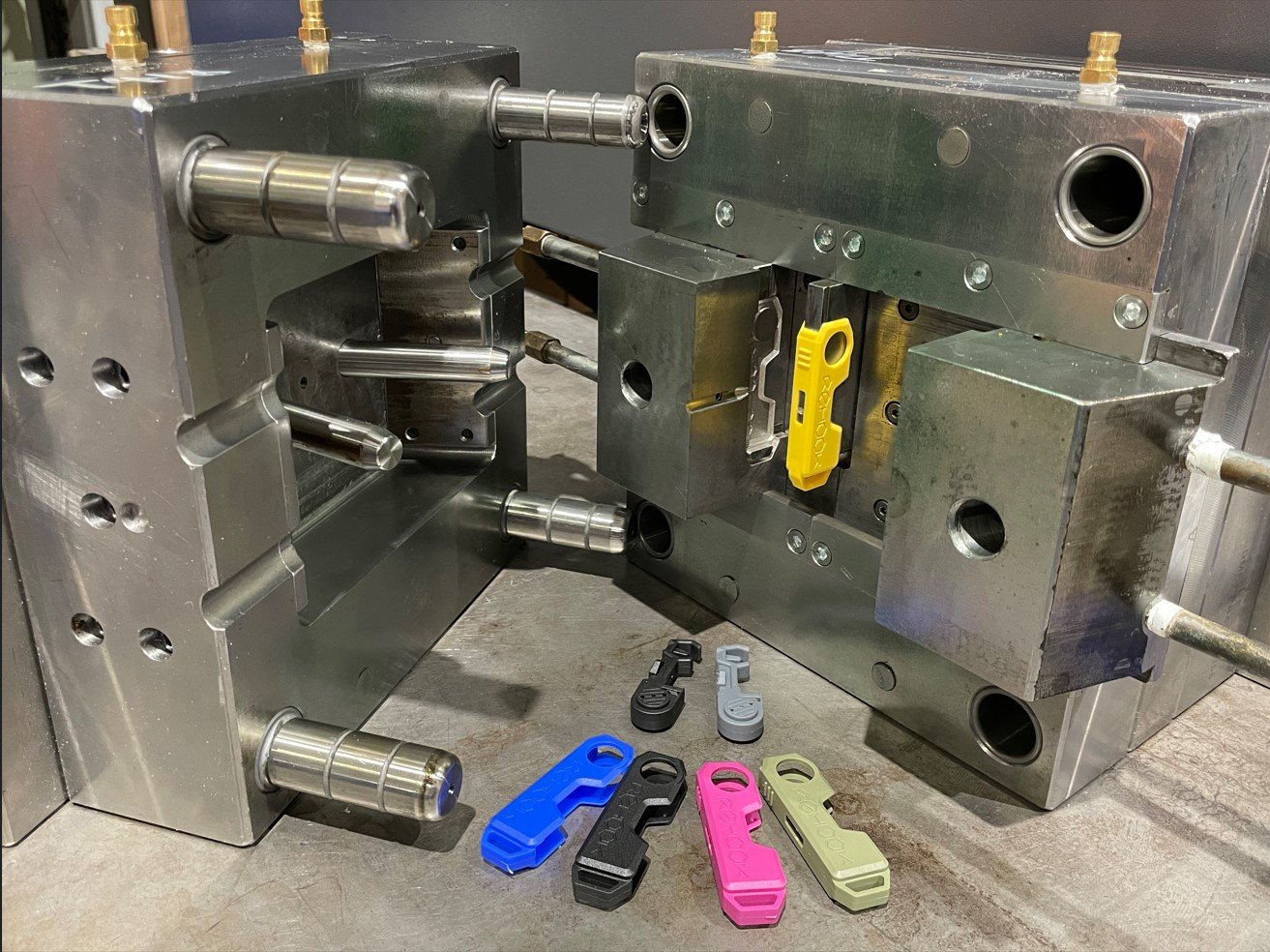
Injection molding allows a fastener to combine a flexing snap arm, a locating boss, and a decorative cap feature into one part in a single shot, geometry that would require multiple machined or stamped metal components assembled together. That consolidation isn’t just a cost story; fewer separate pieces means fewer potential failure points and simpler assembly, which is often the real driver behind choosing a molded plastic fastener over a metal equivalent.
Matching Resin to Fatigue and Flex Requirements
A fastener that flexes repeatedly, like a cable clip opened and closed many times, needs a resin engineered for fatigue resistance rather than a commodity plastic that would crack after a handful of cycles. Nylon and acetal are common choices for this kind of application specifically because they tolerate repeated flexing without losing their clamping force, which is the property that actually determines whether the fastener does its job over the life of the product.
| Factor | Why Engineering Plastics Fit the Job |
|---|---|
| Snap-fit geometry | Molds in a single shot; impractical to replicate with machined or stamped metal |
| Fatigue resistance | Nylon and acetal tolerate repeated flexing without losing clamping force |
| Corrosion resistance | Removes a failure mode common to metal fasteners in humid environments |
| Weight | Plastic fasteners reduce mass in automotive and aerospace assemblies |
Evaluating plastic versus metal for a fastener application?
Share your application’s flex, load, and environment requirements, and we’ll help you weigh the options.
Accounting for Corrosion and Chemical Exposure
Metal fasteners in humid, outdoor, or chemically exposed environments eventually corrode, which can compromise clamping force or, in visible applications, simply look bad over time. Engineering plastics sidestep that failure mode entirely, since the right resin doesn’t rust or chemically degrade the way untreated or under-protected metal does in the same conditions. That makes plastic a particularly strong choice for outdoor hardware or fasteners used near chemicals, cleaning agents, or marine environments.
Weighing Weight Savings Against Load Requirements
Replacing metal fasteners with engineering plastic ones is a meaningful weight reduction lever in automotive and aerospace assemblies where every gram across thousands of fasteners adds up. That weight savings only makes sense when the plastic fastener’s load and temperature rating actually meets the application’s requirements, which is why this decision usually involves a direct comparison against the specific metal fastener it would replace rather than a blanket assumption that plastic is always lighter and therefore always better.
Not sure if a plastic fastener can replace your current metal part?
We’ll compare load, temperature, and fatigue requirements against suitable engineering resins.
Where Metal Still Wins
High-load structural fasteners, applications with sustained high-temperature exposure beyond what engineering plastics tolerate, and situations requiring extremely tight, permanent clamping torque still generally favor metal. Engineering plastics have expanded the range of fastener applications that can move away from metal, but they haven’t eliminated the cases where metal’s strength and temperature tolerance remain the better engineering choice.
Checklist Item: Account for Temperature Effects on Clamping Force
A plastic fastener’s clamping force can relax over time under sustained load, and that relaxation accelerates at elevated temperature in a way most metal fasteners don’t experience to the same degree. For fasteners used in under-hood automotive applications or near heat-generating components, this creep behavior needs to be checked against the specific resin’s data at the application’s actual service temperature, not just at room temperature where most basic spec sheets report their numbers.
Checklist Item: Design the Fastener for Moldability, Not Just Function
A fastener geometry that works well mechanically can still be difficult to mold if it ignores basic manufacturability principles like draft angle, wall thickness transitions, and gate placement relative to the flexing snap arm. Designing the part with both performance and moldability in mind from the start, rather than engineering the mechanical function first and handing it to a molder to figure out afterward, avoids a round of costly redesign once the first tooling trial reveals a part that doesn’t release or flex as intended.
Common Mistakes When Switching to Plastic Fasteners
A frequent mistake is selecting a resin based on cost alone without checking its fatigue behavior against the specific flex cycle count the application requires. Another is underestimating how temperature affects a plastic fastener’s clamping force over time, particularly in under-hood or outdoor applications. A third is assuming a direct plastic replacement for an existing metal fastener’s geometry will perform the same, when redesigning the geometry specifically for molding often produces a stronger result.
Testing Plastic Fasteners Against Real Assembly Conditions
A fastener’s spec sheet numbers describe the resin in isolation, not how it performs once it’s actually installed, torqued, and left in service on a real assembly. Running installation and retention testing on representative hardware, rather than relying solely on material data sheets, confirms whether the fastener’s clamping force holds up under the specific insertion method, mating part tolerance, and vibration profile the assembly will actually see in the field.
How This Connects to Other Molding Topics
High-volume packaging applications often rely on thin-wall molding techniques related to fastener production; our guide to how thin-wall molding is used for high-volume packaging covers that related topic, as does our closer look at thin-wall molding for high-volume packaging.
Regulatory testing considerations also apply to certain fastener and closure applications; our breakdown of how child-resistant packaging meets regulatory testing is a useful companion resource. And cosmetic hardware fasteners often require brand-specific color matching; our closer look at how custom color masterbatch is mixed for brand matching covers that connection.
Choosing a Molding Partner for Engineered Fastener Programs
A molder experienced as an injection tooling manufacturer for engineered fasteners should be able to speak specifically to fatigue-rated resin selection, not just general-purpose plastics. For teams based near Minnesota, a plastic injection molding services in Monticello partner with fastener program experience can also help validate a design against real flex-cycle testing before full production volume.
Conclusion
Engineering plastics earn their place in fastener applications through geometry consolidation, fatigue resistance, corrosion resistance, and weight savings, not simply as a cheaper substitute for metal. Matching the specific resin to the application’s flex, load, and environmental requirements is what determines whether a plastic fastener performs as well as, or better than, the metal part it’s replacing.
Frequently Asked Questions (FAQs)
Why use plastic instead of metal for fasteners?
Plastic fasteners can consolidate multiple metal components into one molded part, resist corrosion, and reduce weight, while still meeting many applications’ load requirements.
Which plastics are common for fasteners that flex repeatedly?
Nylon and acetal are common choices because they tolerate repeated flexing without losing clamping force.
Do plastic fasteners resist corrosion better than metal?
Yes, the right engineering resin doesn’t rust or chemically degrade the way untreated or under-protected metal does in humid or chemically exposed environments.
When does metal still make more sense than plastic?
For high-load structural fasteners, sustained high-temperature applications, and situations requiring extremely tight, permanent clamping torque.
What's a common mistake when switching to plastic fasteners?
Selecting a resin based on cost alone without checking its fatigue behavior against the actual flex cycle count the application requires.

Here’s How rapid tooling gets a product to market faster
Here's How Rapid Tooling Gets a Product to Market Faster Summary Standard hardened-steel production tooling can take months to design...
October 4, 2026

Why a startup chooses its first injection molding partner
Why a Startup Chooses Its First Injection Molding Partner Summary A startup choosing its first injection molding partner is making...
October 4, 2026

Why tooling ownership works when switching manufacturers
Why Tooling Ownership Works When Switching Manufacturers Summary Switching molders mid-program sounds risky until the tooling ownership question is settled...
October 4, 2026
 20+ Years Experience