Why Tooling Ownership Works When Switching Manufacturers
Summary
Switching molders mid-program sounds risky until the tooling ownership question is settled clearly from the start. A customer-owned tool, documented and maintained properly, can move to a new molder with far less disruption than most teams expect. This guide looks at what actually makes that transition work.
Key Takeaways
- Clear, written tooling ownership terms at the start of a program are what make switching molders practical later.
- A documented maintenance and modification history travels with the tool and speeds up a new molder’s setup.
- Physical tool condition should be inspected and documented before and after any transfer between facilities.
- Process parameters developed by the original molder may need re-validation on the new molder’s equipment.
- Contract terms about tooling release should be negotiated before a program starts, not after a dispute arises.
Checklist Item: Confirm Ownership Terms Before the Program Starts
Tooling ownership should be spelled out in the initial program agreement, stating plainly that the customer owns the mold outright once it’s paid for, rather than left as an assumption. Contracts that leave this ambiguous, or that quietly grant the molder a lien or retention right over the tool, are what turn a routine switch into a legal dispute when a customer actually wants to move.
Maintaining a Documented Tool History
A tool that arrives at a new molder with a clear maintenance log, including any engineering changes made since the original build, lets that molder understand the tool’s current condition and history quickly. A tool with no documentation forces the new molder to essentially rediscover the tool’s quirks through trial and error, which adds real time and risk to the transition.
| Factor | Why It Matters When Switching Molders |
|---|
| Ownership terms | Spelled out clearly in the original program agreement |
| Maintenance history | Documented log travels with the tool to speed up the new molder’s setup |
| Physical condition | Inspected and recorded before and after transfer |
| Process parameters | Re-validated on the new molder’s specific equipment |
Considering a switch and want to understand your tooling position?
Share your current contract terms and we’ll help you understand your tooling rights.
Inspecting Physical Condition Before and After Transfer
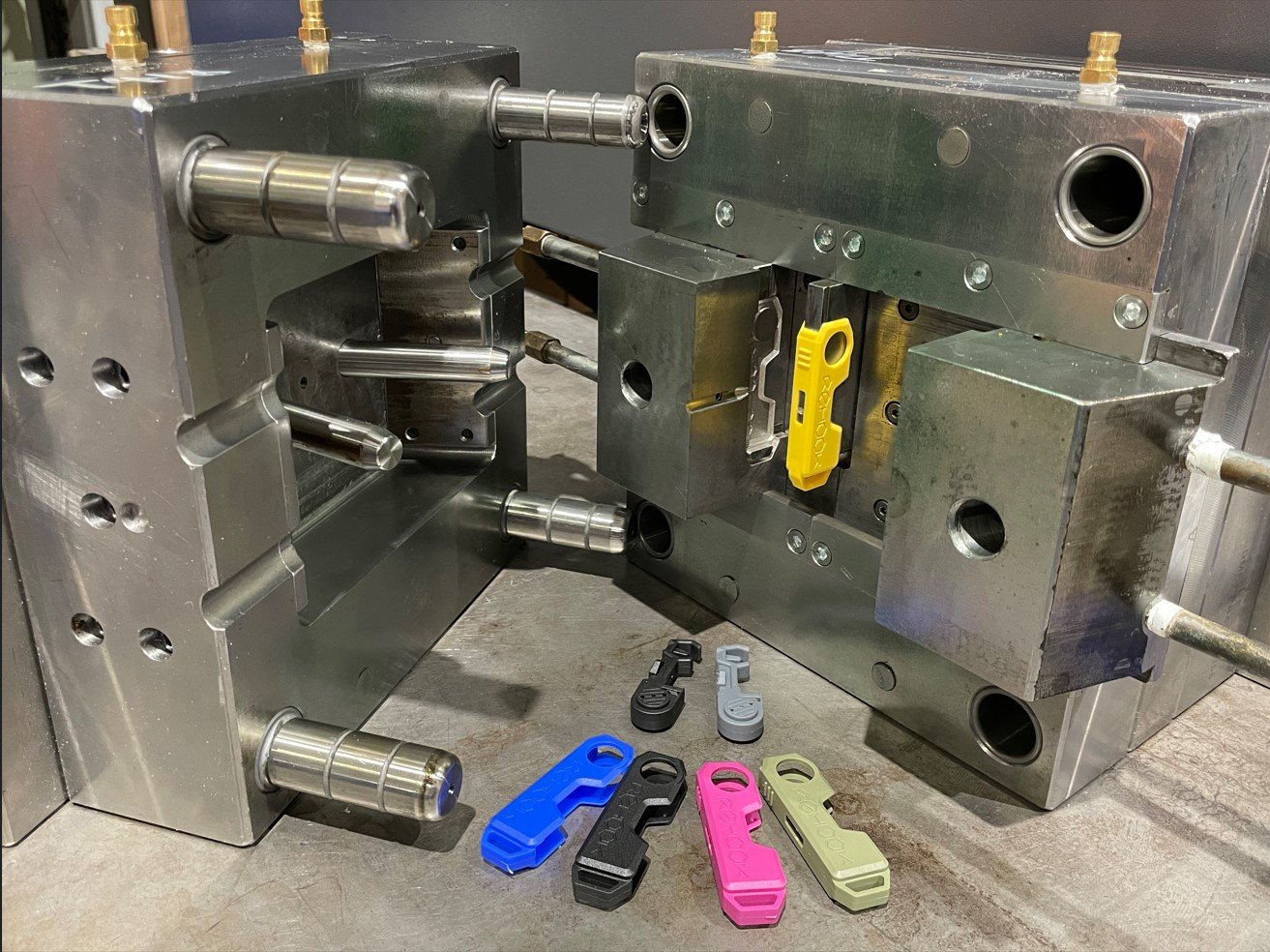
A tool should be physically inspected, measured, and photographed before it leaves the original molder’s facility and again once it arrives at the new one, creating a clear record of its condition at the moment of transfer. This protects both parties from disputes about pre-existing wear and gives the new molder a baseline to compare against as they start running it.
Re-Validating Process Parameters on New Equipment
Process settings developed on one molder’s specific press don’t always transfer directly to a different press, even for the same tool, since clamp tonnage, injection unit size, and control system behavior all vary between machines. Building time into the transition plan for the new molder to re-validate key process parameters, rather than assuming the old settings will work unchanged, avoids quality surprises in the first production runs after the switch.
Need a tool condition assessment before a transfer?
We’ll inspect and document your tool’s current condition before it changes hands.
Common Mistakes
A frequent mistake is never confirming tooling ownership terms in writing until a switch is already being considered, at which point leverage has shifted. Another is transferring a tool without any documented maintenance history, leaving the new molder to rediscover known issues the hard way. A third is assuming process settings will transfer unchanged to new equipment, which can produce a rocky first few production runs after the switch.
How This Connects to Other Molding Topics
Choosing a Molding Partner for a Smooth Tooling Transition
A molder offering real
precision mold tooling capability should be comfortable receiving a customer-owned tool from another facility and re-validating it properly rather than treating the transition casually. For programs in France, a
plastic injection molding company in Toulouse experienced with tooling transfers can make switching manufacturers considerably less disruptive than it might otherwise be.
Conclusion
Switching molders works smoothly when tooling ownership is settled clearly from the start, maintenance history is documented, physical condition is inspected at transfer, and process parameters are re-validated on the new equipment. Programs that put these pieces in place early keep the option to switch manufacturers genuinely open rather than theoretical.
Frequently Asked Questions (FAQs)
Who owns the tooling after a customer pays for it?
That depends entirely on the contract terms; clear agreements state the customer owns the mold outright once paid for.
What documentation should travel with a tool during a switch?
A maintenance log and record of any engineering changes made since the original build.
Why inspect a tool before and after transfer?
To create a clear record of its condition at the moment of transfer, protecting both parties from disputes about pre-existing wear.
Do process settings transfer directly to a new molder's press?
Not always; differences in clamp tonnage and injection unit size between presses often require re-validation.
When should tooling ownership terms be negotiated?
Before a program starts, not after a switch is already being considered.

 20+ Years Experience