Understanding Why a Manufacturer Scales From Prototype to Full Production
Summary
Going from a successful prototype to reliable full-volume production isn’t just a matter of running the same mold more times; it requires validating tooling durability, process repeatability, and supply chain readiness under conditions the prototype stage never tested. This guide covers what that scaling process actually involves.
Key Takeaways
- Prototype tooling is often not built to withstand the cycle counts required for full production volume.
- Process parameters validated on a prototype mold may need adjustment once run continuously at scale.
- Supply chain readiness for resin, inserts, and secondary components becomes critical at production volume.
- Quality control systems need to shift from spot-checking prototypes to statistical monitoring at volume.
- A phased ramp-up, rather than an immediate jump to full volume, helps catch scaling issues early.
Checklist Item: Confirm Tooling Is Built for Production Cycle Counts
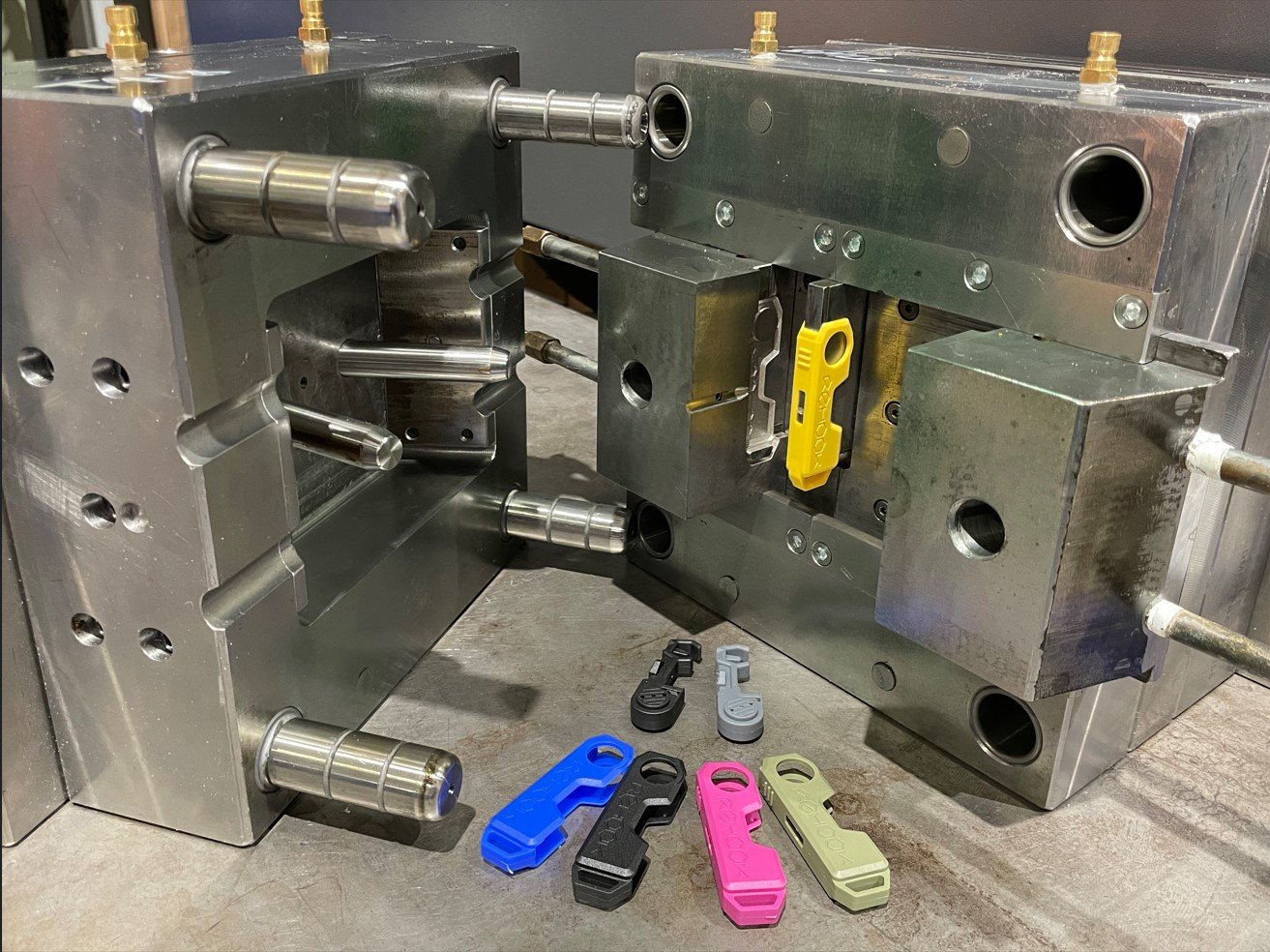
Prototype tooling, often built from aluminum or a simplified construction, is designed for limited cycle counts, not the hundreds of thousands of cycles full production demands, which means moving to volume typically requires either a hardened production tool or a confirmed plan for tooling replacement partway through the program. Assuming prototype tooling will simply keep running at scale is a common and costly miscalculation.
Re-Validating Process Parameters at Continuous Run Volume
Process settings that worked well for a limited prototype run can behave differently once a mold runs continuously for extended periods, as mold temperature stabilizes differently and cycle-to-cycle consistency becomes more demanding. Re-validating and sometimes adjusting process parameters specifically for sustained production conditions is a necessary step, not an optional one.
| Scaling Factor | What Changes From Prototype to Production |
|---|
| Tooling durability | Prototype tooling often can’t withstand full production cycle counts |
| Process parameters | May need re-validation once running continuously at production volume |
| Supply chain | Needs confirmed readiness for resin and components at scale, not prototype quantities |
| Quality control | Shifts from individual spot checks to statistical monitoring at volume |
Planning to scale from prototype to full production?
Share your prototype results and target volume and we’ll help plan the ramp-up.
Securing Supply Chain Readiness for Volume
A prototype run might use resin from a single lot or hand-placed inserts sourced in small quantities, but full production requires a supply chain capable of delivering consistent material and components reliably at volume. Confirming resin lot consistency and secondary component supply before ramping up avoids production delays that have nothing to do with the mold itself.
Shifting Quality Control From Spot Checks to Statistical Monitoring
Prototype quality control often involves checking every part closely since volumes are low, but full production requires statistical process control methods capable of catching drift across thousands of parts without inspecting each one individually. Building this monitoring system before volume ramps up, rather than scrambling to add it afterward, keeps quality consistent as output increases.
Need a phased production ramp-up plan?
We’ll help structure a scaling approach that catches issues before they affect full volume.
Common Mistakes
A common mistake is assuming prototype tooling will hold up through full production without a hardened-tool plan in place. Another is jumping straight to full volume without a phased ramp-up, missing process issues that only appear at sustained run rates. A third is delaying statistical quality control systems until after volume has already increased, rather than building them in advance.
How This Connects to Other Molding Topics
Choosing a Molding Partner That Scales With You
A manufacturer offering true
mold injection capability should plan for the tooling, process, and supply chain transition from prototype to full production upfront, not improvise it after volume increases. For programs near Missouri, a
plastic injection molding company in Missouri partner experienced in production ramp-ups can help avoid scaling surprises.
Conclusion
Scaling successfully from prototype to full production requires validating tooling durability, re-checking process parameters at volume, securing supply chain readiness, and shifting to statistical quality control, all before output actually increases. Treating scaling as a planned transition rather than an afterthought is what keeps a program on schedule.
Frequently Asked Questions (FAQs)
Can prototype tooling be used for full production?
Usually not directly; prototype tooling is typically built for limited cycles, not the volume full production requires.
Do process settings change between prototype and production runs?
Often yes, since continuous run conditions and sustained temperatures can behave differently than limited prototype runs.
Why does supply chain readiness matter for scaling?
Full production needs consistent resin and component supply at volume, which a small prototype run doesn’t test.
How does quality control change at production volume?
It typically shifts from inspecting individual parts to statistical process control monitoring across larger output.
Is a phased ramp-up better than jumping straight to full volume?
Generally yes, since it surfaces scaling issues early rather than discovering them after volume has already increased.
 20+ Years Experience