If you’re here, you’re likely looking for a manufacturer who can deliver jet injection molding plastic parts — high-quality, custom, reliable. Welcome — you’ve found LXG Mold Tooling.
In injection molding, jetting is a defect phenomenon where molten polymer shoots into the mold cavity like a “jet,” failing to adhere to the walls, creating a squiggly or serpentine pattern (often called a “worm track”) on the finished surface.
LXG Mold Tooling’s Approach to Jet Injection Molding Plastic Parts
We don’t just accept defects — we eliminate them from the design and process. Here’s how our method ensures your parts are clean, reliable, and defect-free.
1. DFM & Flow Simulation Upfront
During the Design for Manufacturability (DFM) stage, we analyze flow paths using simulation (mold flow software) to see where jetting might start.
If your geometry or gate positions show risk, we suggest redesign or adding flow guides, split gates, or modifying wall thickness.
This early-stage “defect prediction” helps avoid costly redesigns later.
2. Gate Design & Location
Choosing the right gate type (edge gate, pin gate, fan gate, etc.) and placing it adjacent to a mold wall ensures melt flow hugs the surface rather than shooting across.
We often use multi-gate systems or balanced gating on symmetric parts to reduce jet pressure.
In critical applications, we might incorporate pre-flow or multi-stage injection to gradually fill, thus reducing jet velocity.
3. Controlled Injection Velocity & Ramp Profiles
Instead of one “turbo” injection phase, we program velocity ramps or stages, starting slow and increasing gradually, reducing the chance of jetting.
In many cases, we use a lower initial velocity just enough to fill up to a guide wall, then ramp up once flow is stabilized.
4. Optimal Melt Temperature & Viscosity Management
Maintaining the resin at the right temperature (neither too hot nor too cool) is key. Too cool = higher viscosity = jetting more likely. Too hot = degrade the material.
We optimize barrel heating zones, cooling layout, and resin drying to ensure consistent melt quality.
5. Flow Guides, Sliders & Flow-Enhancement Fixtures
In complex cavity geometries, we may add flow guides or flow deflectors inside the mold to guide melt fronts.
Sliders or inserts can redirect flow and prevent early free jet formation.
This is especially useful for deep cavities or parts with internal fins, ribs, or sharp turns.
6. Venting & Air Release Management
Air trapped in dead ends or narrow sections forces the melt to skip over, causing jetting. Proper venting (small vents, channels) is essential.
Vent locations are optimized so that flow is not blocked or forced to jet.
7. Trial Runs and Iterative Fine-Tuning
Even with perfect design, real-world mold runs expose nuances. We run short trial runs, inspect each piece under microscopy or CMM, and look for any signs of jet trace.
If needed, we adjust gate size, injection velocity, pressure hold, or cooling balance.
That iterative process ensures the production mold setup is robust.
Materials & Resin Considerations
Choosing the right plastic material influences jetting behavior:
Lower viscosity resins (ABS, polypropylene, polycarbonate) are easier to flow smoothly, but must still be optimized.
Glass- or fiber-filled resins are trickier — fillers increase viscosity and flow resistance; design must consider that.
High-temperature engineering resins (PPS, PEEK) demand very precise temperature and flow control settings.
For jet injection molding plastic parts, we commonly work with ABS, PC, PP, polycarbonate blends, and engineering plastics depending on your application.
Each resin has its own melt behavior — we test and optimize per material to avoid jetting.
Applications & Use Cases
Where does jet injection molding plastic parts matter most? Here are some real-world applications:
Consumer Electronics: Slim housings, connectors, and casings where surface finish and dimension accuracy are critical.
Automotive Components: Instrument clusters, sensor mounts, clips — all benefit from clean, defect-free parts.
Medical Devices: Enclosures, pump housings, diagnostic parts — where structural integrity and aesthetics both matter.
Industrial & Robotics: Gears, covers, interior parts — often under load or environmental stress.
Packaging & Consumer Goods: Caps, closures, small precision parts that need aesthetic perfection.
In all these, a stray jet line can ruin the look, reduce strength, or fail inspection. That’s why ordering from a manufacturer who knows jet control is crucial.
How to Order Jet Injection Molding Plastic Parts from LXG Mold Tooling
Here’s how you can seamlessly place an order with us — and what we’ll need from your side:
Step 1: Initial Inquiry & Quotation
You contact us with:
CAD files or technical drawings (2D/3D)
Material specification (if known)
Quantity (prototype, low volume, mass)
Surface finish requirement
Tolerance or critical dimensions
Expected delivery timeline
We’ll review and provide an in-depth proposal including design feedback, tooling cost, lead time, and per-part cost.
Step 2: Design Review & DFM Feedback
We’ll perform DFM analysis, flag potential jetting risks, and suggest:
Gate repositioning
Flow and geometry adjustments
Thin-wall vs thick-wall transitions
Venting improvements
You get a revised design or go-ahead to tooling.
Step 3: Tooling Design & Manufacture
We build molds (soft prototype molds or hardened production molds) including:
Gate layout & runner system
Flow guides or inserts (if needed)
Vents, cooling channels, ejector systems
Mold trials and debugging
Step 4: Prototype / Trial Inject
We produce samples using jet injection molding settings (with controlled velocity, stages, etc.). We inspect for:
Jet defects
Warpage, sink marks, flash
Dimensional accuracy (CMM)
Material behavior
Based on results, we fine-tune until parts are jam-free and clean.
Step 5: Mass Production
Once samples are approved, we go into volume production with consistency checks. Each batch gets statistical quality checks and inspection to avoid any re-emergence of jetting.
Step 6: Finishing & Delivery
We perform:
Surface finish (painting, polishing, coating)
Assembly (if required)
Packaging & global shipping
Why LXG Mold Tooling is Your Top Choice
Here’s how we stand out — we aim not just to match competitors but surpass them.
Jetting Expert Engineers: Deep experience designing for flow control and eliminating defects
Advanced Simulation & DFM: We catch jet risk in the digital stage before tool manufacture
Full-Service Turnkey: From part design to finishing, you deal with one trusted partner
Flexible Order Sizes: Prototypes, small batch, or mass — no stiff MOQs
Global Delivery: Clients in 40+ countries
Quality Assurance: ISO, CMM, SPC, FAI standards enforced
Transparent Feedback Loop: You see reports, photos, test data at every stage
Many injection molding firms produce parts reliably, but few specialize in jet-aware molding for critical surfaces. That’s our niche and strength.
Sample Messaging / Value Propositions You Can Use
“Avoid surface defects and internal weakness — we deliver jet-free injection molded plastic parts every time.”
“From prototype to production, LXG ensures smooth, consistent flow, eliminating defects like jetting and warpage.”
“Your design, enhanced: we simulate, optimize, and mold jet-free parts faster than competitors.”
Competitor Benchmark Notes & Why Our Content Beats Them
While doing my research, I checked how competitors present similar services:
Many injection molding pages are generic, focusing on “custom plastic parts,” “rapid prototyping,” or “full volume services.” Very little mention of jetting control or defect prevention.
Some companies discuss defects in technical guides but not in marketing content.
A few competitor firms have strong testimonials and imagery, but lack deep educational content that positions them as experts in challenging defects like jetting.
What we’re doing better:
We specifically address “jet injection molding plastic parts” — a niche keyword many likely ignore.
We teach the customer, explaining the technical challenge (jetting) while showing how we solve it.
We present a clear ordering workflow, reducing buyer hesitation.
We integrate value propositions and differentiators tightly with the key term.
We use a conversational tone while retaining technical credibility.
This combination of niche keyword focus, educational depth, and order-readiness should help outrank competitors who are more superficial or broad.
Final Thoughts & Call to Action
If you need jet injection molding plastic parts with precision, defect control, and rapid turnaround, LXG Mold Tooling is ready. Our engineers don’t just produce — they optimize, troubleshoot, and guarantee quality at every stage.
Let’s turn your design into flawless plastic components, free of surface defects, structurally sound, and ready for your market.
👉 Request Your Quote Now — send your CAD files and specs, and we’ll get back to you with optimized feedback and pricing.
3 Steps For Precision Manufacturing

Share Your Files
We’ll sign an MNDA and assess manufacturability for free.
Recieve A Quote
Clear pricing and lead times, no
surprises.

Place Your Order
Lock in production and move forward with confidence.
Get A Quote Now and let’s build smarter, faster, and stronger — together.
Our Testimonials
our client say's
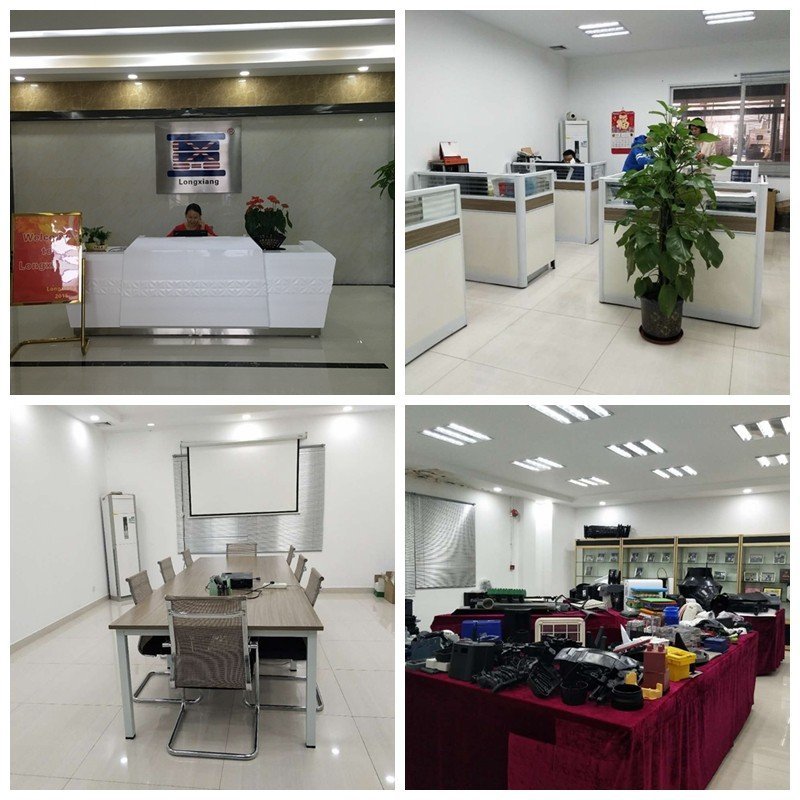
At LXG Mold Tooling, we believe great products start with great tools. As a global leader in injection mold tooling and high-precision plastic manufacturing, we’ve built our reputation on quality, speed, and trust.
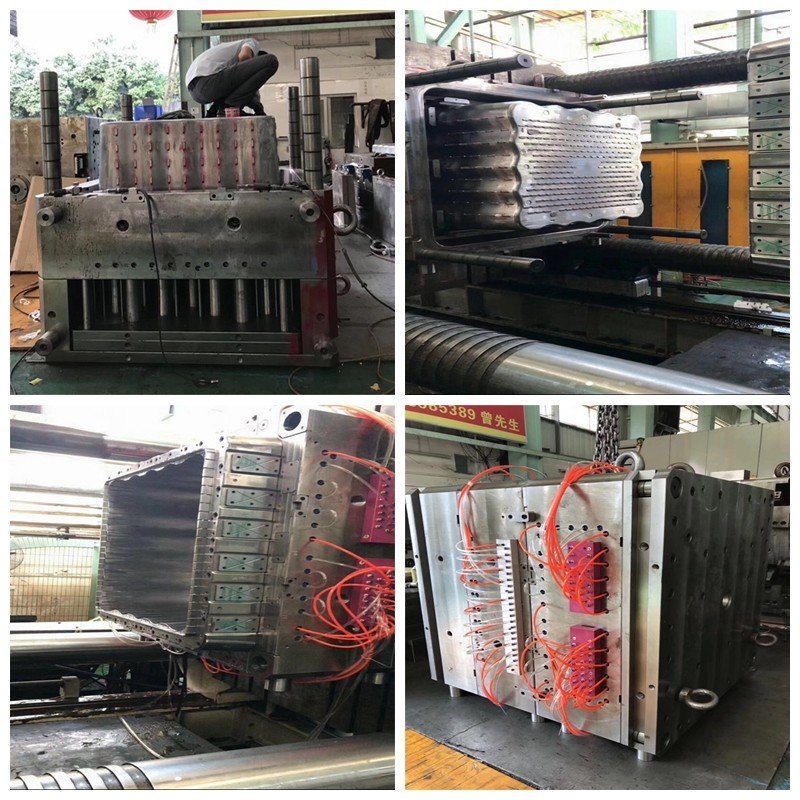
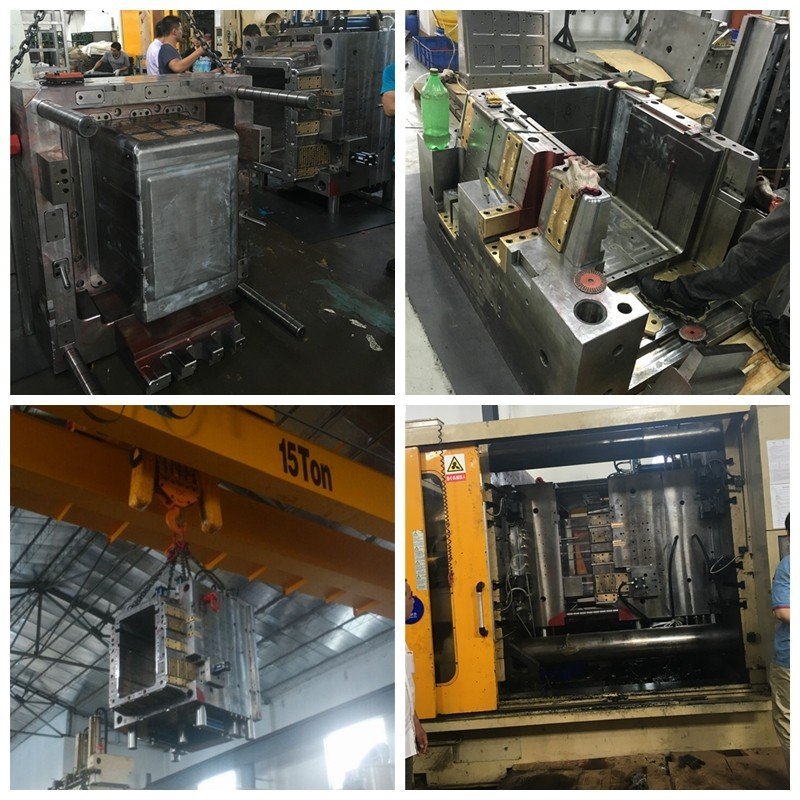
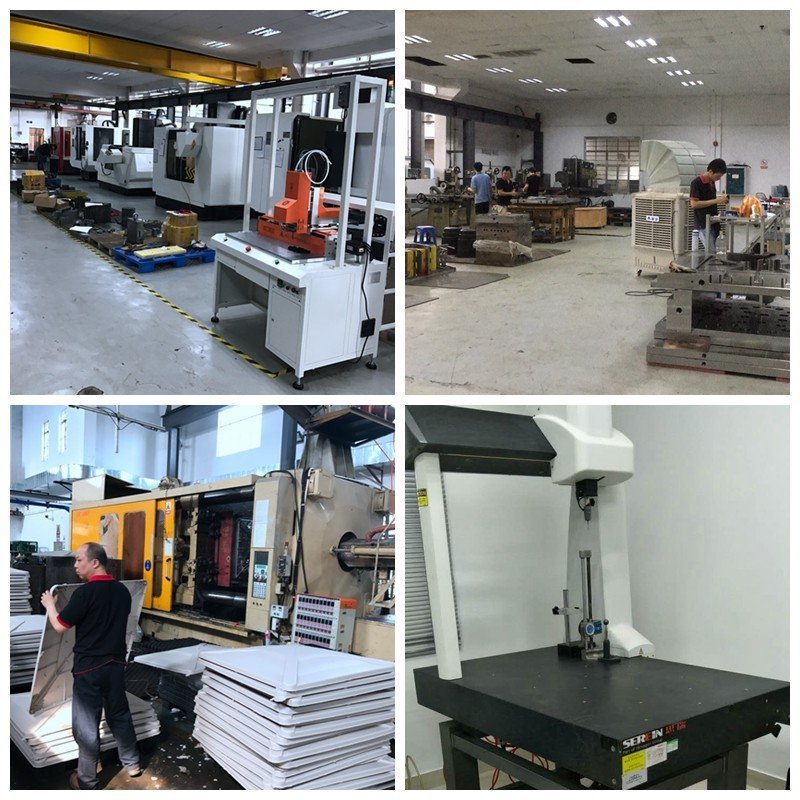
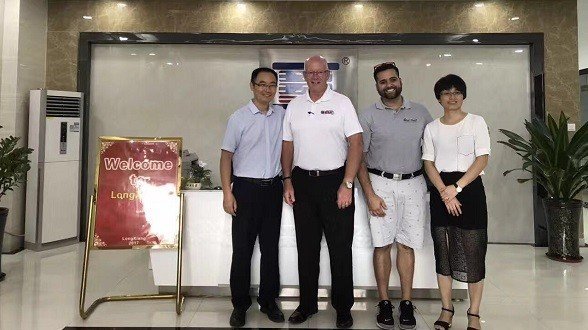
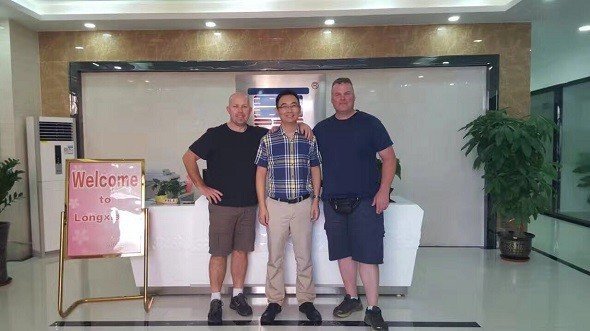
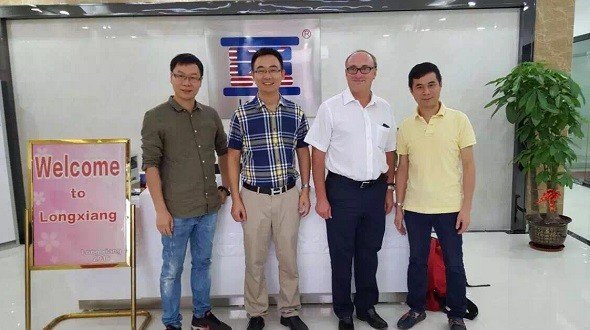
Founded in 2000 as part of LongXiang-Ltd, our company has grown into one of China’s most reputable mold-making and injection molding partners. With a 5,000 sq. meter facility, 120+ skilled professionals, and state-of-the-art equipment, we provide end-to-end solutions — from concept validation and rapid tooling injection molding prototypes to mass production with durable injection molding tools.





 20+ Years Experience