When you’re developing a product—whether it’s a new gadget, a medical device, or a niche industrial component—you don’t always need (or want) millions of parts at once. You might need just a few hundred or a few thousand to test, validate, or launch in limited markets. That’s where low volume injection moulding (or low volume injection molding) becomes invaluable.
What Is Low Volume Injection Moulding?
Low volume injection moulding (or low-volume injection moulding) refers to producing a relatively small number of parts using injection molding techniques, rather than mass production. While full-scale injection molding is often reserved for tens or hundreds of thousands (or more) parts, low volume molding allows you to get real molded parts in quantities that make sense for prototyping, pilot runs, market testing, or niche products.
In practice, “low volume” might span anywhere from tens to a few thousand parts — the exact threshold depends on the industry, complexity, and cost tradeoffs. For example:
Some companies define low volume as 100 to 10,000 parts per run.
Others may consider up to 25,000 parts or more, especially when using more cost-efficient tooling types.
The key is that low volume runs use tooling and processes optimized to reduce upfront cost and lead time, while still giving you high-fidelity parts that closely mimic what full-scale production would yield.
Why “Low Volume” Matters
Design validation — you can test parts in the real materials and geometry before committing to expensive steel molds.
Reduced inventory risk — only produce what you need, avoiding overstock or obsolescence.
Agility in iteration — if you need design tweaks, it’s far easier with low volume molds.
Bridge to full production — low volume runs allow you to validate the part and the market before investing in large-scale tooling.
2. Low Volume Plastic Molding vs. Traditional Injection Molding
Let’s compare low volume plastic molding with traditional high-volume molding to understand the tradeoffs:
| Feature | Traditional High-Volume Molding | Low Volume Injection Moulding |
|---|---|---|
| Tooling Material | Hardened steel for durability | Aluminum, softer steels, or less-polished molds |
| Tooling Cost | High upfront capital | Much lower initial investment |
| Lead Time for Tooling | 8–12+ weeks or more | 2–6 weeks (or less, depending on complexity) |
| Cost per Part | Very low at high volume | Higher per part, but acceptable for batch size |
| Flexibility | Low — changes are costly | High — changes and iterations are manageable |
| Economies of Scale | Works well when volume is very high | Balanced tradeoff when volume is moderate |
| Risk | High if design fails after full investment | Lower because you can test before scaling |
So, low cost injection molding is all about shifting that balance: reduce upfront cost, compress lead times, and accept a somewhat higher cost per part in exchange for flexibility and lower risk.
3. The Benefits and Challenges of Low Volume Injection Moulding
Benefits
Faster time-to-market
Many low volume services offer tooling in days or weeks, not month.Lower Capital Risk
You avoid committing tens of thousands of dollars to steel tooling that may become obsolete.High fidelity, real material parts
Unlike 3D printing or CNC prototypes, molded parts replicate the actual production material, properties, and performance.Scalable up
You can use the same part dimensions when scaling to full production; with the right supplier, you can often carry over tooling or design features.Cost-effective for niche products
When you only need a limited quantity due to market size or specialty application, low volume molding is the practical choice.Better quality control vs. ad hoc prototyping
With injection molds, you get repeatability, tighter tolerances, and better surface finish compared to many prototype processes.
Challenges
Higher per-part cost
Because tooling costs and setup are amortized over fewer parts, cost per unit is higher than large-scale molding.Tool life is limited
Soft molds (e.g. aluminum) may last only a few thousand to tens of thousands of cycles.Design constraints
You still have to design with draft, wall thickness, gates, etc. Mistakes in design can be more costly on a small run.Supplier availability
Some injection molding companies only accept high-volume orders, rejecting low-volume requests.Logistics & prototyping complexity
Coordinating mold adjustments, iterations, and part validation can require more oversight.
Understanding both sides helps you choose suppliers smartly and plan your project realistically.
4. How to Achieve Low-Cost Injection Molding
To keep costs low while maintaining acceptable quality in low volume runs, you need to optimize intelligently. Here are key levers:
a) Tooling Material & Finish
Using aluminum molds or softer tool steels reduces initial cost. Surface finish, polishing, and detail level should match the need — you don’t need ultra-polish for functional prototypes.
b) Simplify the Mold Design
Use single cavities instead of multi-cavity molds (unless volume justifies it).
Minimize undercuts and complex features that require side actions.
Use straight pulls and simple gating.
Design for easy ejection and low complexity.
c) Optimize Part Design
Uniform wall thickness to ensure consistent fill.
Proper draft angles to ease release.
Avoid deep ribs or sharp corners.
Use simulation tools (flow analysis) to validate before tooling.
d) Material Selection
Choose cost-effective materials that offer required performance. Avoid exotic resins unless absolutely necessary.
e) Amortize Costs Smartly
If you can bundle multiple parts or phases into one mold, you can share tooling costs. Or use a “family mold” (multiple parts in one mold) if geometry allows.
f) Lean Setup & Quick Turnaround
Your supplier must be capable of fast tooling, rapid iteration, and efficient mold adjustments. Reducing idle time in tooling, EDM, polishing, etc., is essential.
g) Reduce Post-Processing
Minimize finishing operations (e.g. painting, trimming) by designing the mold and part to require minimal extra work.
By combining these tactics, the term “low cost injection molding” becomes much more achievable.
5. Top Competitors & What They Do Well (Benchmarking)
Before I dive into crafting content that outpaces the competition, it’s helpful to see who you’re competing with in the low volume / rapid injection molding space. Here are some notable players and what they emphasize:
Protolabs — Offers on-demand, low-volume injection molding with aluminum tooling. Emphasizes speed, flexibility, and using low-cost tooling as a bridge.
Rapid Molding — Prototype tooling, low-volume production, and cost-efficient molds.
Midwest Mold — Differentiates as a “prototype / low volume facility” with speed, flexibility, and technical suppor
Seaway Plastics — Offers low-to-mid-volume molding with competitive pricing and expedited turnaround tim
RCO Engineering — Provides turnkey low volume injection molded tooling and parts, particularly for complex industries.
WaykenRM — Online rapid manufacturing focusing on low-volume plastic & metal parts.
Star Rapid — A global company combining rapid prototyping, tooling, and low-volume manufacturing.
Solid Concepts — Provides 3D printing, tooling, and injection molding, especially for niche and aerospace applications.
Harbec — Offers low and high volume production, prototyping, and tooling services.
Elite Mold & Engineering — Combines on-demand 3D printing with low-volume injection molding to accelerate transitions.
What sets them apart (in a nutshell):
Speed and turnkey service (Protolabs, Rapid Molding)
Technical guidance and quoting accuracy (Midwest Mold)
Industry specialization (RCO, Seaway)
Online/ digital quoting and ordering (WaykenRM)
Integration with rapid prototyping (Elite Mold)
Your content should aim to challenge them by being more transparent, highly technical, more trustworthy (for a manufacturer), and more aggressive in positioning your strengths and differentiators.
6. How LXG Mold Tooling Delivers Premium Low Volume Services
At LXG Mold Tooling, we know what you expect: molded parts fast, accurate, and cost-effective, even at low volumes. Here’s how we do it better:
A. Strategic Tooling Choices
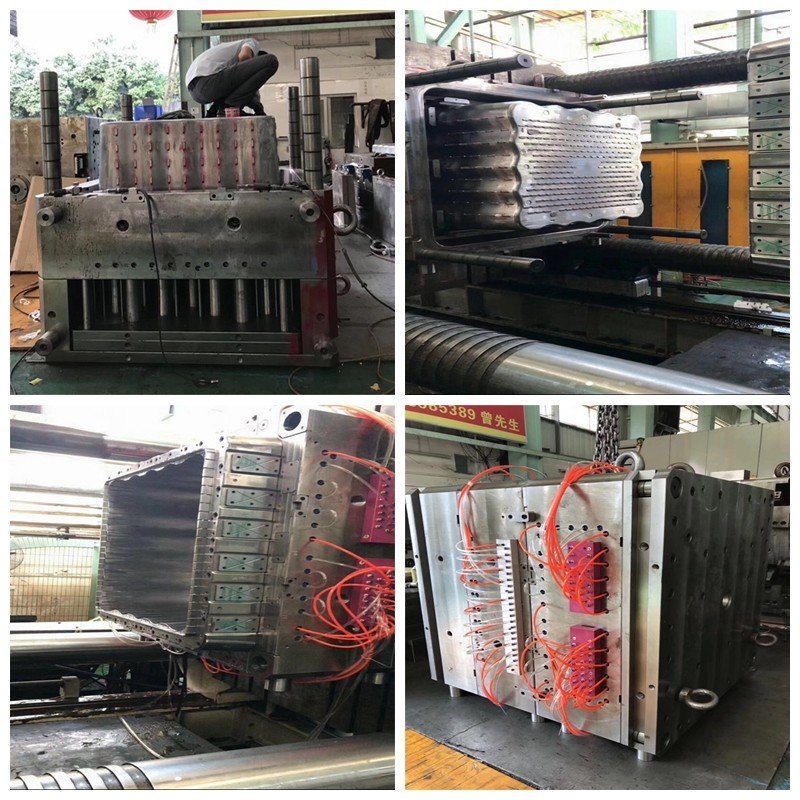
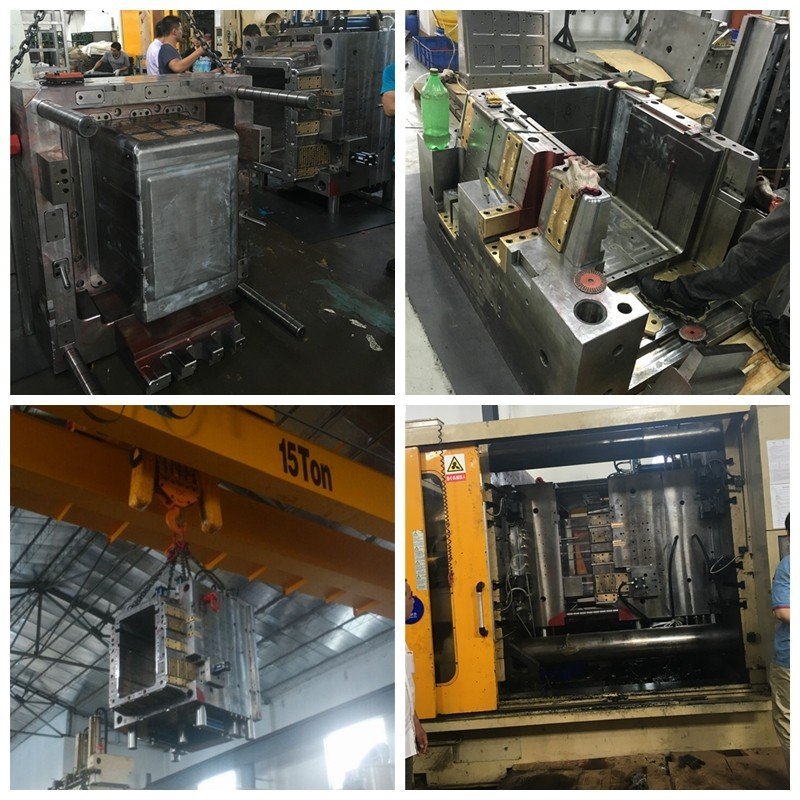
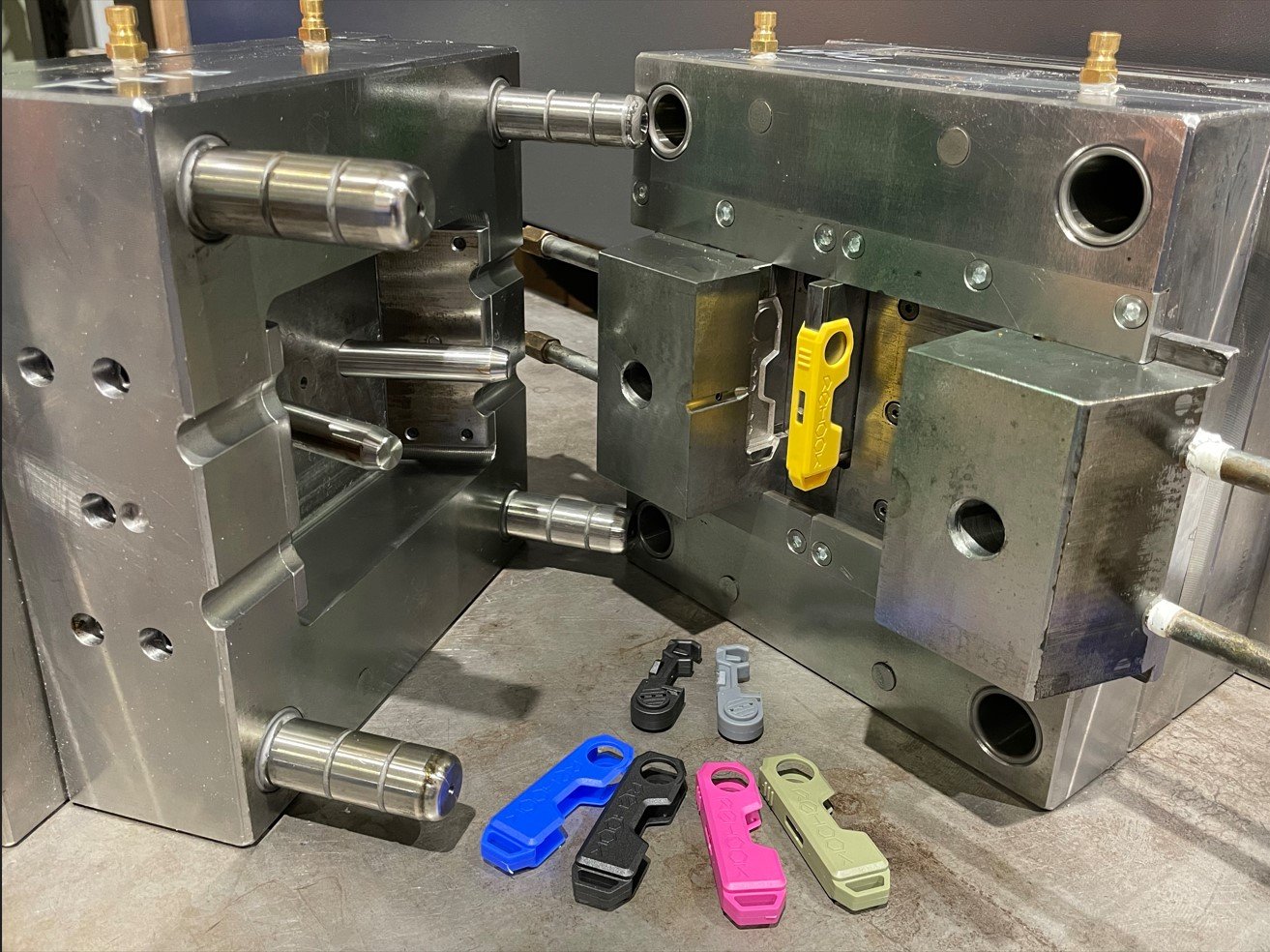
We use aluminum or soft-steel molds optimized for low-volume runs, balancing cost and durability
For parts likely to scale, we design molds with future-proofing in mind
B. Design & DFM Expertise
From day one, our engineers collaborate with you to optimize the part for molding: wall thickness, draft, gating, vents, and more. That reduces risk, shortens cycles, and improves yield.
C. Fast Turnaround Tooling
We dedicate resources to quick tooling: CNC, EDM, polishing, and mold trials happen on tight schedules. We aim for mold delivery in days to weeks, not months.
D. Proven Quality Controls
Every run includes dimensional checks (CMM), SPC monitoring, and first-article inspections (FAI). We also maintain strict traceability, so even in small batches, quality is never compromised.
E. Flexible Order Quantities
No minimum order constraints. Whether you need 10 parts or 1,000, we scale. That makes us ideal for startups, niche products, and limited-run applications.
F. Smart Cost Management
We optimize tooling, minimize waste, reuse runners where possible, and reduce unnecessary finishing. That allows us to offer low cost injection molding without cutting corners.
G. Clear Communication & Project Transparency
From quoting to part delivery, our process is open. You’ll always know mold progress, part yield, and expected timelines. We believe trust is built through transparency.
H. Industry Certifications & Compliance
We support ISO 9001, ISO 13485, and other standards — especially in industries like medical, aerospace, and consumer electronics. Regulatory compliance isn’t an afterthought.
I. Global Delivery with Local Support
Though based in China, we deliver molds and parts globally. We understand import/export, logistics, and local regulatory requirements. For many customers, we act as their overseas manufacturing arm.
7. What to Look for in a Low Volume Injection Molding Company
When evaluating suppliers (including LXG Mold Tooling), here’s what you should demand:
Low-volume specialization
Make sure they actually accept small runs — not just mass production in disguise.Tooling flexibility & transparency
Ask about their tooling materials, estimated life, and options for upgrades.Turnaround speed
Check their mold lead times, part delivery time, and how they manage revisions.Quality systems
Expect FAI, CMM, SPC, traceability, and strong QA documentation.Design & engineering collaboration
They should offer DFM feedback, simulations, and risk analysis.No or low MOQs
A credible supplier will let you order small batches.Clear cost breakdowns
Tooling cost, per-part cost, tolerances, expected rework — everything should be transparent.Communication & support
You should get project updates, quick responses, and a dedicated point of contact.Certifications & compliance
Especially if your parts are for regulated industries.Scalability & continuity
Choose a supplier that can grow with you — from low volume to mass volume.
When you ask about these elements, you’ll quickly separate real, capable low volume injection molding companies from generic molders.
8. Use Cases & Industries That Benefit from Low Volume Molding
Low volume molding is used across many industries for different reasons:
Medical & Healthcare — devices requiring small production runs, custom parts, or devices in development.
Aerospace & Defense — specialized components, tooling, and testing parts.
Consumer Electronics — launch models, niche variants, or limited editions.
Automotive / EV Startups — small batches of connectors, prototypes, or custom accessories.
Industrial & Robotics — custom housings, functional prototypes, sensor mounts.
Sporting Goods & Wearables — limited edition, customized, or seasonal runs.
In every case, the benefits include faster time to market, lower capital risk, and real-world performance validation before scaling.
9. Pricing Expectations & Cost Drivers
To prepare your budget, here are key cost components in low volume injection molding:
Tooling cost — the upfront mold build (aluminum, soft steel) is a big share of the cost.
Cavity count — single-cavity molds cost less, but multi-cavity can reduce per-part cost if volume justifies it.
Part complexity — features, undercuts, tight tolerances all add cost.
Material cost — specialty resins cost more.
Cycle time — longer cycles mean lower throughput.
Surface finish / polishing — better finishes cost more.
Quality control & waste allowance — some parts will be scrapped or reworked — the supplier must factor this.
Post-processing — assembly, finishing, painting, inserts, etc.
Because low volume runs distribute tooling cost over fewer parts, the per-part price can be significantly higher than mass runs. But for many projects, the flexibility and reduced risk make this worthwhile.
For example, depending on geometry and complexity, tooling may cost a few thousand to tens of thousands USD and parts may cost anywhere from a few dollars each upward. The trick is to align your design, volume, and expectations well.
10. How to Place an Order for Low Volume Injection Moulding with LXG Mold Tooling
Here’s the typical workflow when you work with us:
Initial Consultation & RFQ
Share your CAD / 3D model, material preference, part quantity, expected tolerances, and functional requirements.Feasibility Study & DFM Review
We assess your design, suggest improvements (wall thickness, draft, gating), and simulate fill paths if needed.Tooling Proposal & Quotation
We present options — aluminum tool, soft steel tool, cavity count — and associated costs and lead times.Tool Build & Review
Once you approve, we manufacture the mold, test it, polish, and make adjustments.Trial & Validation Run
We produce a small batch, perform FAI and inspect tolerances. You approve or request changes.Production Run
Upon approval, we run full low volume production, monitor quality (SPC, CMM), and package parts.Delivery & Follow-Up
Parts shipped to you. We also provide mold ownership, backups, and support for future runs.
Because we understand low volume needs, we commit to transparency, frequent updates, and flexibility in design changes.
11. Why LXG Mold Tooling Is Your Best Choice for Low Volume Molding
We’ve tailored our operations to excel in low volume injection molding services, focusing on:
Speed: Fast tooling and prototyping capabilities
Cost Efficiency: Lean tooling design, minimal waste, smart material choices
Quality: Rigorous inspection, traceability, and process control
Customer-Centric Support: Clear communication, early warnings, design feedback
Scalability: Ability to ramp up your part volumes if your product succeeds
We believe the term low volume plastic molding shouldn’t mean low quality — with the right process, you can get molded parts indistinguishable from production ones.
3 Steps For Precision Manufacturing

Share Your Files
We’ll sign an MNDA and assess manufacturability for free.
Recieve A Quote
Clear pricing and lead times, no
surprises.
Place Your Order
Lock in production and move forward with confidence.
Get A Quote Now and let’s build smarter, faster, and stronger — together.
Our Testimonials
our client say's
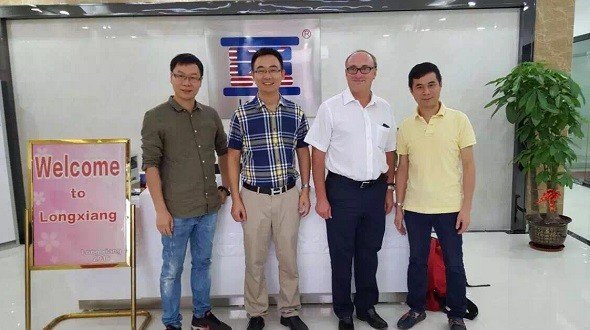
At LXG Mold Tooling, we believe great products start with great tools. As a global leader in injection mold tooling and high-precision plastic manufacturing, we’ve built our reputation on quality, speed, and trust.
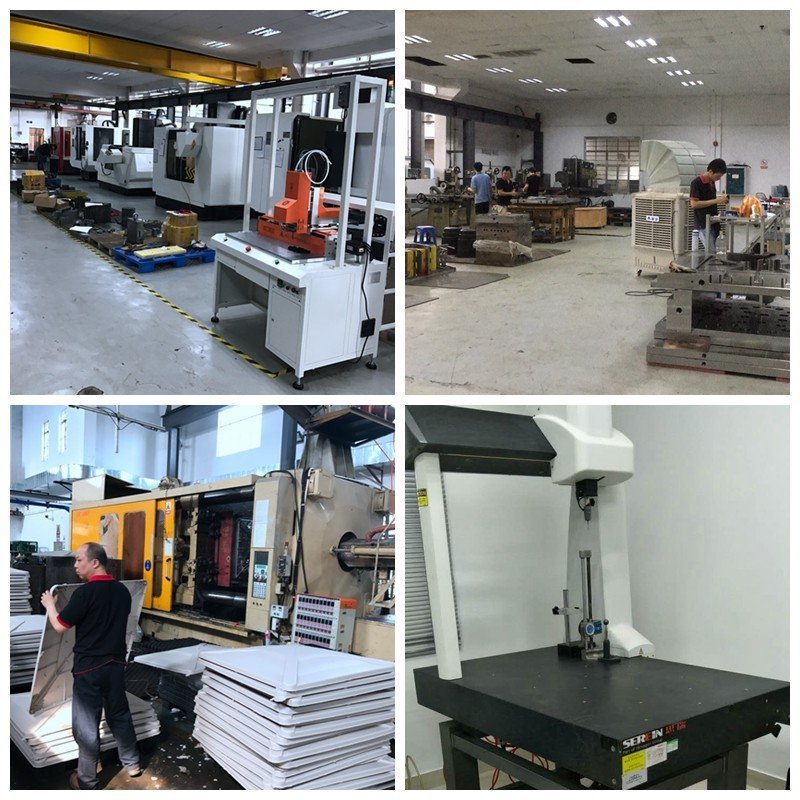
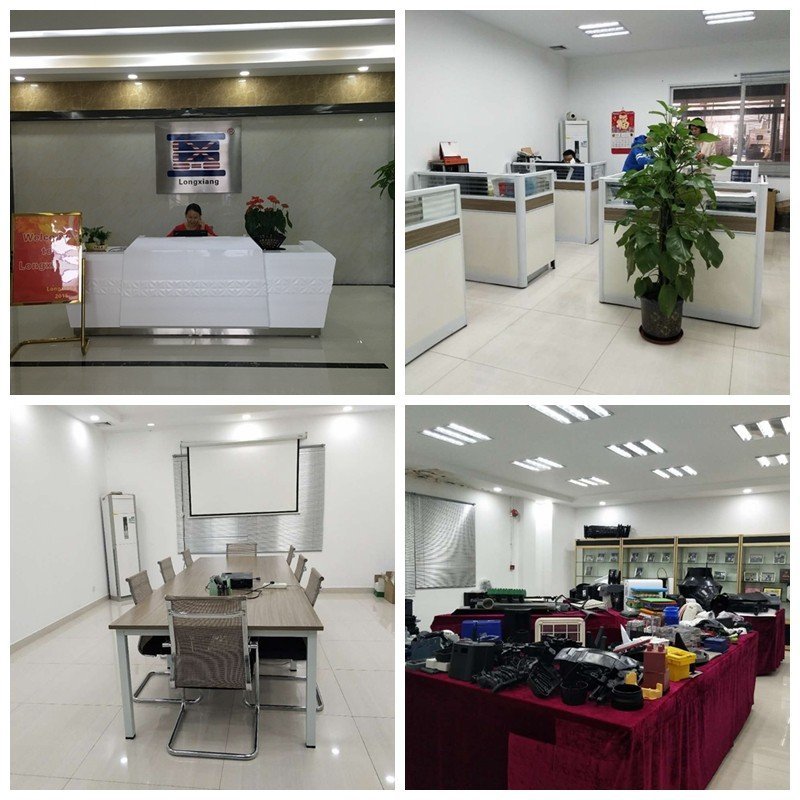
Founded in 2000 as part of LongXiang-Ltd, our company has grown into one of China’s most reputable mold-making and injection molding partners. With a 5,000 sq. meter facility, 120+ skilled professionals, and state-of-the-art equipment, we provide end-to-end solutions — from concept validation and rapid tooling injection molding prototypes to mass production with durable injection molding tools.







 20+ Years Experience