When you mention aerospace, the mind often jumps to metals, composites, and high-strength alloys. But plastics and engineered polymers now play a critical role in aircraft, spacecraft, and satellite systems — offering weight savings, complex geometry capability, cost efficiency, and performance under demanding conditions.
That’s where aerospace injection molding and aerospace plastic injection molded parts come in. At LXG Mold Tooling, we understand that the stakes are high: tolerances are tight, materials must survive extreme environments, and consistency is non-negotiable. Whether you’re designing interior cabin trims, duct systems, housings, sensor mounts, or structural brackets, high-quality injection molding for aerospace can deliver the performance and reliability you need.
In this guide, we’ll walk you through everything from the process, material choices, design considerations, and how to select the right aerospace injection molding company — ultimately showing you how LXG Mold Tooling is built to deliver.
Understanding Aerospace Plastic Injection Molding
What is aerospace plastic injection molding?
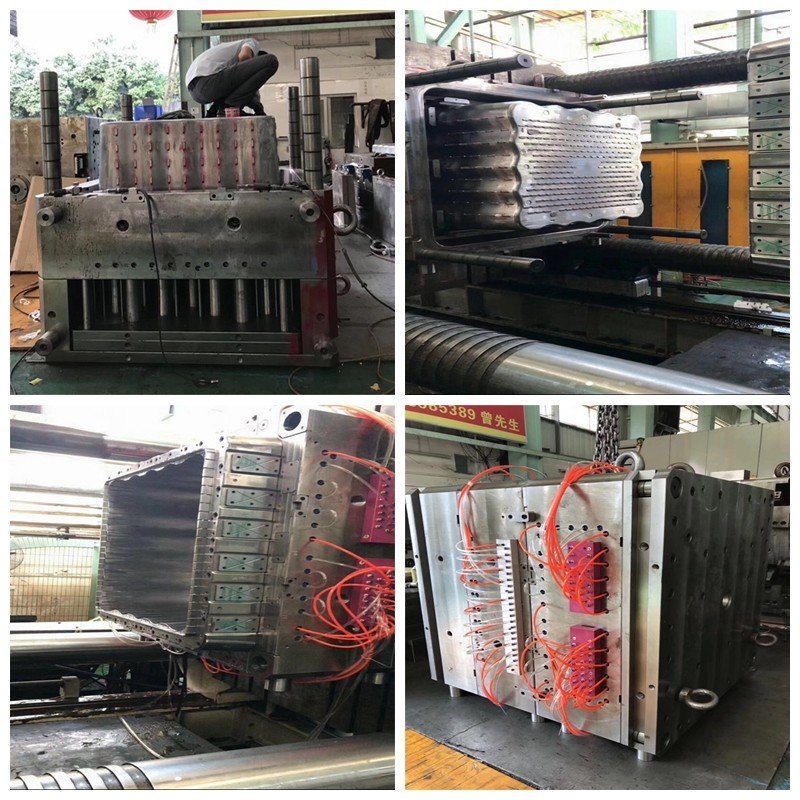
It’s the process of injecting molten polymer into precisely machined molds to produce plastic parts used in aerospace systems. The molds (injection molds) are engineered to extreme tolerances, using advanced steels, multi-cavity design, conformal cooling, inserts, and other features.
Key attributes of injection molded plastics for aerospace include:
Lightweight strength — selecting materials like PEEK, Ultem, PPS, high-grade polyamides, etc.
Thermal resistance — ability to handle extremes of heat, cold, UV, radiation.
Dimensional stability — low warp, tight tolerances over many cycles.
Compliance & traceability — meeting AS9100, FAA, MIL specs, and full batch history.
Cost and volume efficiency — once the mold is set, repeatability makes high volumes affordable.
When a customer searches for “injection molding for aerospace components” or “aerospace injection mold”, they expect a manufacturer who can deliver quality, engineering insight, and full-service support.
2. Key Parts & Applications in Aerospace
Injection molded plastic parts in aerospace cover a broad range of components. Some common use cases include:
Interior cabin components: Panels, bezels, trim, seatback shells, air vents, galleys, storage bins.
Ducting & ventilation: Lightweight air ducts, conduits, cabin airflow systems.
Structural brackets & mounting interfaces: Non-primary structural load parts, sensor mounts, connection supports.
Electrical & electronic housings: Enclosures for avionics, sensors, connectors, EMI shields, wire carriers.
Exterior fairings, covers & doors (for non-structural regions): Covers, access panels, fairings for drones or aerospace vehicles.
Optical or transparent parts: Lenses, windows, covers that require high clarity plastics.
These parts require intricate geometry, surface finish, and interface to metal or composite systems — making aerospace injection molding solutions highly specialized.
3. The Aerospace Injection Molding Process (Inside LXG’s Approach)
Here’s how LXG Mold Tooling handles your aerospace project from idea to delivery:
Kickoff & Requirement Review
You share CAD files, specs, tolerances, materials, regulation zones, and environmental demands. We also collect requirements like certs, traceability, and performance targets.DFM & Material Recommendation
Our engineers review the part design for manufacturability, propose gate locations, wall thickness, tolerances. We recommend suitable high-performance materials (e.g. PEEK, PPS, polyimides) based on function.Prototype / Bridge Tooling Phase
We build rapid injection mold tooling or soft aluminum/hybrid molds to produce prototypes. These allow you to test fit, function, and validate before committing to steel molds.Mold Design & Manufacturing
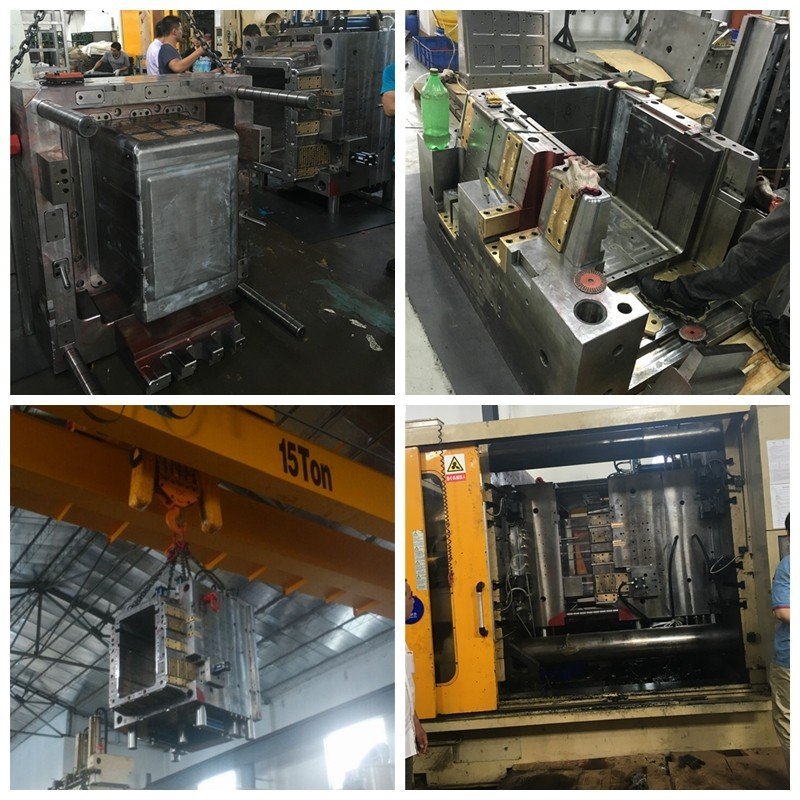
We design and manufacture the full production mold (often multi-cavity, conformal cooling, inserts). This is your “aerospace injection mold” — built to last high cycles.Trial Runs & Validation
We run initial production, perform First Article Inspection (FAI), CMM inspections, SPC analysis, and iterate the process until parts meet spec.Production & Quality Control
Once validated, we go into mass production. All parts are tracked, tested, measured, and batch certified. We maintain full traceability for every lot.Post-Processing, Assembly & Delivery
Finishing, cleaning, coatings, insert molding, in-mold assembly, and packaging — then shipping securely to your site.
Because of the sensitive nature of aerospace work, we maintain strict IP and confidentiality protocols, high-quality standards, and secure facilities.
4. Material Selection: Choosing the Right Polymer
The success of an aerospace plastic injection molded part often depends on the material. Some widely used ones:
PEEK (Polyether Ether Ketone) — excellent mechanical properties, high temperature, chemical resistance
Ultem / PEI (Polyetherimide) — good strength, flame retardance, dimensional stability
PPS (Polyphenylene Sulfide) — cost-effective high-heat polymer
Nylon (PA 46, PA 12, PA 6T/6I) — good toughness, used in many aerospace components
Polycarbonate (PC) / PC blends — transparency, strength, impact resistance
Polyphenylene Oxide (PPO), PEI blends, etc.
We assess trade-offs: temperature, stiffness, creep, fatigue, flammability (FAR 25, UL ratings), moisture absorption, UV stability. Choosing the best material up front ensures long-term performance.
5. Design & Engineering Challenges in Aerospace Molding
Aerospace parts are not like consumer plastics. Here are some of the major challenges — and how LXG overcomes them:
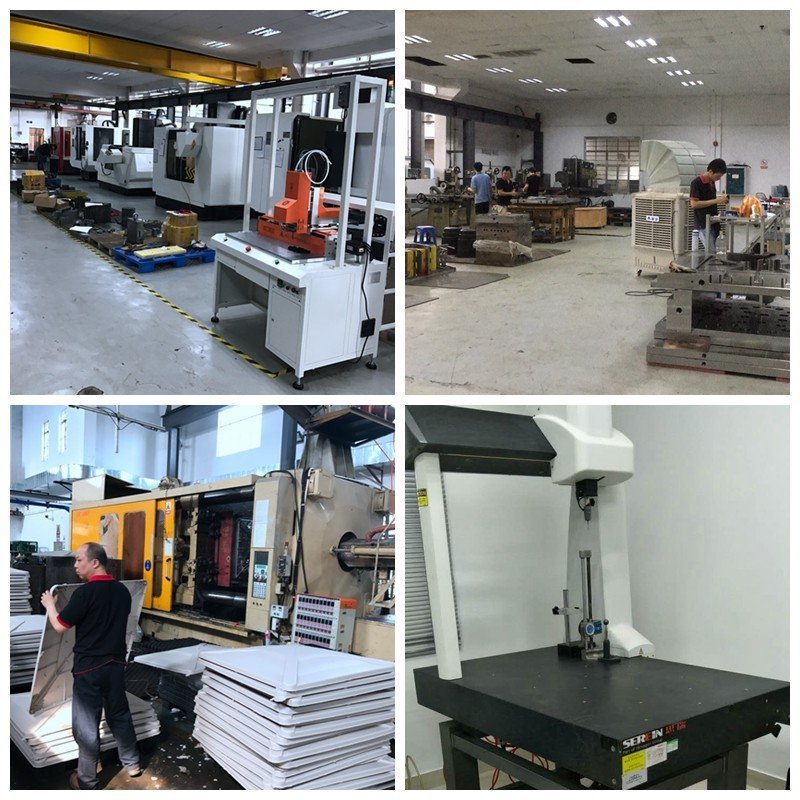
Ultra-tight tolerances — parts often require ±0.05 mm or better on multiple axes. We use advanced CNC, EDM, and inspection systems.
Low volumes with high performance — unlike mass consumer goods, aerospace runs may be small but with critical specs.
Complex geometry & thin walls — need careful gate design, flow simulation, venting, mold cooling.
Thermal warpage & stress — silate analysis, annealing, gate balance strategies.
Certification & materials traceability — full batch reporting, compliance to aerospace standards.
Insert molding & overmolding — embedding metal inserts, fasteners, sensors reliably.
Surface finishes, coatings & aesthetic demands — e.g. gloss, textures, plating.
We invest heavily in engineering, simulation (mold flow), and iteration to deliver parts that perform in demanding environments.
6. What Makes a Great Aerospace Injection Molding Company?
When a client is evaluating between suppliers, here’s what they look for — and what LXG emphasizes:
Certifications & Compliance: AS9100, ISO 9001, FAA, NADCAP, ITAR, or equivalent.
Material & process depth: Ability to handle advanced polymers and specialty processes.
Prototyping + scaling capability: Not just tooling, but the ability to prototype, pilot, and scale.
Quality systems & traceability: Each part batch must be traceable, with inspection data and full logs.
Intellectual property protection: Confidentiality, secure handling of drawings, NDA practices.
Reliability & consistency: Meeting delivery schedules, yield rates, and consistency over time.
Customer collaboration & support: Frequent updates, engineering input, open communication.
Many aerospace clients complain that suppliers claim capability but deliver subpar or delayed parts. We aim to be a supplier who delivers what’s promised, every time.
7. Use Cases & Success Stories (Hypothetical / Illustrative)
To bring the above to life, here are example scenarios (you can replace with real ones from your portfolio):
Unmanned aerial vehicle (UAV) sensor housing: We used Ultem for thermal stability, molded in a 4-cavity mold, with insert molding for sensor mounting — delivered prototype in 7 days, production in 4 weeks.
Cabin trim panel: Customer needed lightweight, flame-retardant plastic trim. We prototyped with PPS for evaluation, then moved to production-grade glass-filled Nylon. Delivered +100,000 parts to aircraft OEM.
Satellite bracket: A small, stiff bracket used in satellite electronics. Material: PEEK. Tight tolerances ±0.02 mm. Delivered parts passed thermal cycling tests and vibration tests.
These stories help prospective clients envision their own use case.
8. Why LXG Mold Tooling Should Be Your Aerospace Molding Partner
Here’s what sets us apart:
End-to-end service — from prototyping through full-scale production, under one roof.
Deep aerospace expertise — we know the regulatory and performance demands.
Speed and agility — our rapid tooling methods give you fast feedback loops.
Quality & traceability — ISO systems, FAI, SPC, CMM for every batch.
Material breadth — we support PEEK, Ultem, PPS, Nylon, PC, specialty blends.
Confidentiality & trust — secure handling, IP protection, NDA, controlled access.
Global delivery with local support — serving clients globally with consistent quality.
When you search for “aerospace plastic injection molding services” or “injection molding for aerospace components,” you want more than a vendor — you want a partner who understands your engineering, schedule, and risk profile.
9. How to Get Started with LXG Aerospace Molding
Here’s the path:
Send your CAD files & specs
We perform a free DFM review
Receive a detailed quote (tooling + per-part cost)
Approve prototype tooling and begin prototype run
Validate, iterate, then approve production mold
Full production & ongoing support
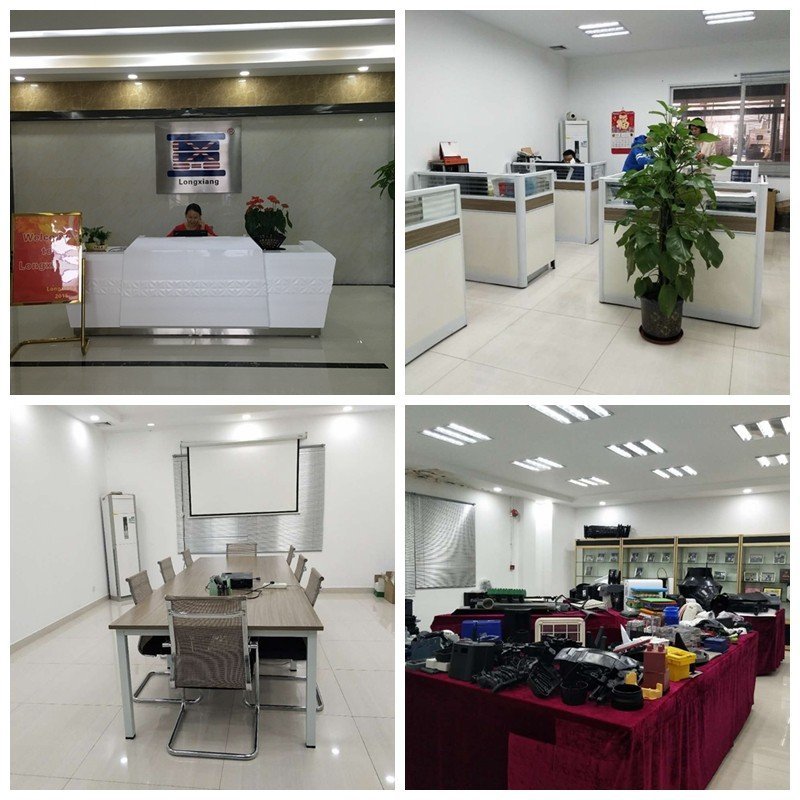
We welcome you to compare our proposal with any competitor, talk to our engineering team, and even visit our facilities (or request video tours) for confidence.
10. Frequently Asked Questions (Aerospace Edition)
Q. What’s the typical lead time for aerospace parts?
Prototypes: 5–10 days. Production molds: 4–8 weeks typically, depending on complexity and material.
Q. Can you handle advanced polymers like PEEK or Ultem?
Absolutely — these are among our core capabilities for aerospace-grade components.
Q. What certifications do you support?
We operate under ISO systems and can support AS9100, FAA, ITAR, NADCAP if required.
Q. Do you support small runs or only large volumes?
We specialize in both — low-volume aerospace runs up to large-series production.
Q. How do you ensure quality and traceability?
Every batch includes inspection reports, batch numbers, CMM/FAI data, and trace logs.
Conclusion: Why Order Your Aerospace Plastic Injection Molding from LXG
If you’re looking to order aerospace plastic injection molding, you need a partner who understands your constraints, meets precision demands, and delivers reliably under certification risk. At LXG Mold Tooling, we combine engineering excellence, rigorous quality systems, deep material knowledge, and a collaborative approach to make your project succeed.
Let’s build your next carbon-fiber bracket, sensor enclosure, cabin panel, or flight-critical part together — confidently and on schedule.
👉 Contact us now for a quote or DFM review, and see how we out-perform the competition.
3 Steps For Precision Manufacturing

Share Your Files
We’ll sign an MNDA and assess manufacturability for free.

Recieve A Quote
Clear pricing and lead times, no
surprises.

Place Your Order
Lock in production and move forward with confidence.
Get A Quote Now and let’s build smarter, faster, and stronger — together.
Our Testimonials
our client say's
At LXG Mold Tooling, we believe great products start with great tools. As a global leader in injection mold tooling and high-precision plastic manufacturing, we’ve built our reputation on quality, speed, and trust.
Founded in 2000 as part of LongXiang-Ltd, our company has grown into one of China’s most reputable mold-making and injection molding partners. With a 5,000 sq. meter facility, 120+ skilled professionals, and state-of-the-art equipment, we provide end-to-end solutions — from concept validation and rapid tooling injection molding prototypes to mass production with durable injection molding tools.