Think about your smartphone, your car’s ECU, or that rugged sensor box on a solar panel tracker. What they all have in common is a need for precise, durable, and manufacturable plastic components — enclosures, connectors, mounting brackets, covers, seals, and more.
That’s where electronics plastic injection molding comes in. And that’s what LXG Mold Tooling specializes in.
If you’re reading this, you’re probably designing or sourcing plastic parts for electronics — maybe for consumer devices, vehicular controls, rugged outdoor sensors, or some new gadget you hope will conquer the market. You need a partner who understands both the complexity of electronics and the demands of molding. Let me walk you through everything you should know — from materials and design tips to real-world challenges — and show you why partnering with LXG can give you an edge.
Why Choose Plastic Injection Molding for Electronics?
Before we dive deep, let’s start with the basics: why plastic injection molding is so widely used for electronics.
Benefits at a Glance
Precision & consistency: Once your mold is dialed in, each run delivers part-to-part uniformity — tight tolerances that your electronics demand.
Material versatility: From ABS to polycarbonate, PET, PBT, and even conductive/EMI-shielding blends — plastics give you many choices.
Cost-efficiency at scale: The upfront cost of tooling is high, but the per-part cost drops dramatically in volume.
Design freedom: You can integrate snap fits, threads, ribs, bosses, overmolding, and insert molding to reduce assembly steps.
Protection & insulation: Plastics shield electronics from moisture, dust, thermal stress, vibration, and electrical shorting.
Weight and cost advantages over metals: Lightweight, lower tooling wear, and less expensive raw materials.
In short: for many electronics applications, plastic injection molding is the most practical, scalable route to high-quality parts.
Key Segments We Serve & Challenges You’ll Face
To make this concrete, let’s look at four overlapping but distinct segments you asked about:
Electronics Plastic Injection Molding (General)
Injection Molding for Electronic Equipment of Motor Vehicles
Rugged Outdoor Electronics Enclosures
Injection Molding Plastic Electronics Parts
Each has its own nuances — I’ll break them down, including design tips and common pitfalls.
1. Electronics Plastic Injection Molding (General)
This is the broad category: everything from consumer devices to telecommunications, medical devices, and more.
Typical parts: enclosures, housings, connectors, buttons, internal frames, structural supports, clips, covers.
Key considerations:
Thin walls & tight tolerances: Electronic parts often must be sleek and compact, which requires thin-wall molding and precision tooling.
Surface finish & aesthetics: Many parts are user-facing, so texture, gloss, color matching, and clean edges matter.
EMI/ESD control: In many electronics, you’ll need plastics with conductive or shielding additives, or metal inserts to manage electromagnetic interference.
Heat & thermal stability: Electronics generate heat — your plastic must resist warping or creeping. High-temperature grades like polycarbonate (PC), PBT, PPS, or reinforced blends are common.
Insert & overmolding: Embedding screws, brass inserts, or overmolding soft-touch surfaces is often necessary for assembly or usability.
Tips:
Use uniform wall thickness wherever possible.
Add ribs instead of thick bosses — helps with stiffness without warpage.
Design draft angles and gate locations with mold flow in mind.
Consider twin-shot (two-material) molding or overmolding for combining rigid + soft parts.
Many leading molders in electronics (for example, D&M Plastics) emphasize the ability to produce tight-tolerance parts for electronics via their specialized molding services.
Thogus, another player, mentions their expertise in structural components, enclosures, and supports for electronics — highlighting material selection, optimization, and automation.
But you can beat them by offering more domain-specific insight, faster prototyping, and stronger guarantees.
2. Injection Molding for Electronic Equipment of Motor Vehicles
When your electronic parts go into vehicles, the bar is higher. Car electronics — ECU housings, sensor modules, control modules, infotainment screens — all see temperature cycles, mechanical shock, vibration, moisture, and chemicals (fuel, oils).
Extra challenges here:
Automotive standards & reliability: Your molds and parts must meet automotive A/B/C grades, long-term reliability, and sometimes regulatory compliance.
Thermal cycling tolerance: Parts must withstand expansion/shrinkage across –40 °C to +125 °C (or even more in under-hood zones).
Sealing & ingress protection: Many vehicle electronics need IP ratings (e.g., IP67) — means tight seals, gaskets, sometimes overmolding.
High vibration and impact: ABS or PC may not suffice — often reinforced plastics (glass-filled, PPS, PEEK) are used.
Long production runs: Vehicle-grade demands mean molds must last for hundreds of thousands or millions of cycles.
For this sector, you need mold durability, robust QA, and domain knowledge. Competing companies often tout their automotive credential and molding experience, but you can outshine by emphasizing deep integration — e.g., pre-certification, simulation, shock/thermal validation, and automotive-grade traceability.
3. Injection Molding Manufacturers for Rugged Outdoor Electronics Enclosures
This is probably the toughest challenge — enclosures for sensors, instruments, telecommunications, industrial IOT, outdoor lighting, etc. These boxes operate under sun, rain, UV, chemicals, extreme temperatures, and sometimes mechanical stress.
Core demands:
UV resistance & weathering: The plastic must resist degradation under UV and environmental exposure.
Impact & mechanical strength: Enclosures must endure hits, vibrations, and rough handling.
Sealing & gasketing: IP or NEMA ratings often required — watertight, dustproof seals.
Material specifics: ASA, PC-ABS blends, polycarbonate with UV stabilizers, reinforced polymers.
Large part molding & structural integrity: Enclosures are often big parts with thin walls — difficult to mold uniformly.
Aesthetics & branding: Even rugged enclosures need logos, textures, color consistency. Overmolded rubber edges or bumpers are common.
New Age Enclosures is one such company making off-the-shelf electronic enclosures via injection molding in materials like ABS, PC, ASA.
PMC (Plastic Molded Concepts) emphasizes use of engineered resins, insert molding, and gasketing for electronics enclosures.
To outperform them, your content should show a deeper grasp of enclosure-specific design — e.g. custom sealing, corrosive/encrustation protection, wall-thickness optimization, rib design to avoid sagging under heat, and case studies.
4. Plastic Electronics Parts (Specialized Components)
Beyond enclosures and housings, there are internal plastic electronics parts:
Circuit board holders/brackets
Optical lens holders
Display bezels
Sensor mounts
Connector supports
Cooling channel covers
Cable clips or strain reliefs
These parts must meet mechanical, tolerancing, insulation, sometimes flame-retardant or EMI/ESD properties.
Issues to watch out for:
Very tight tolerances in 3D space (z-height, flatness)
Material compatibility with PCBs, adhesives, thermal interfaces
Cleanroom requirements for some parts (e.g., optics)
Laser marking, printing, plating compatibility
Minimizing stress, warpage, and creep
Competitors like CCK Automations point out their capability to integrate molding with electronics, coating, and faster prototyping to manage these internal parts.
Your advantage? Provide guidance on design-for-manufacturing specific to electronics, including tolerancing strategies, material recommendations, hybrid materials, and coordinated post-processing.
The LXG Advantage: Why Work with Us?
Let me now explain what LXG Mold Tooling brings to the table — the things that make us not just “another molder,” but your ideal partner for electronics plastic injection molding.
1. Domain Expertise Across Electronics & Automotive
We don’t just mold — we design toward functional electronics performance. Our engineers understand EMI, thermal, vibration, sealing, and flexible/rigid interfaces common in electronics.
2. Rapid Prototyping & Tooling Options
Using rapid injection mold tooling, bridge molds, and soft aluminum molds, we provide prototypes within 5–7 days. That lets you test form, fit, and functionality early, before full production molds.
3. Production-Grade Molds Built for Scale
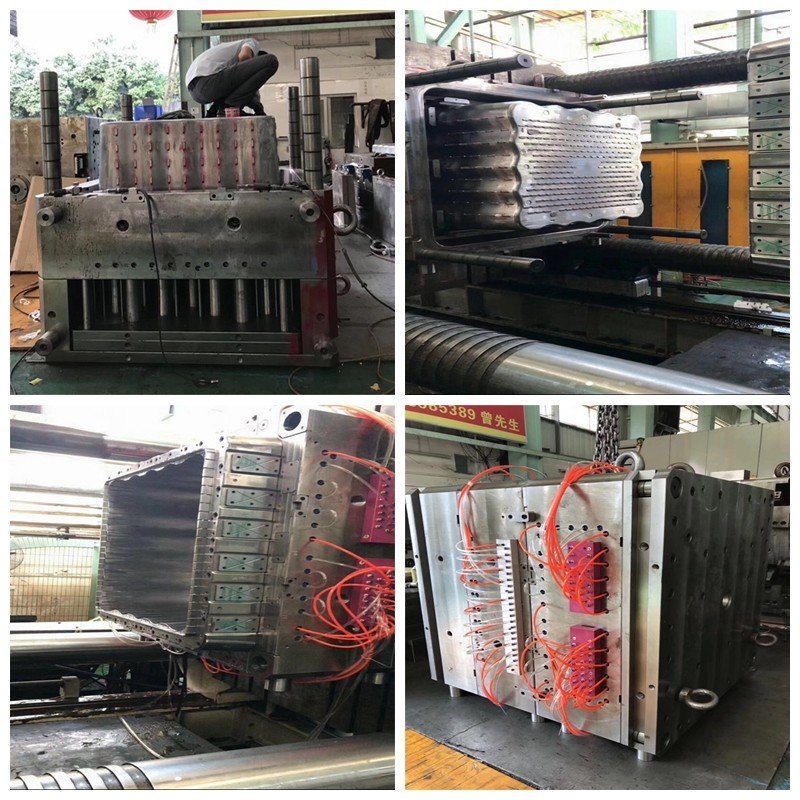
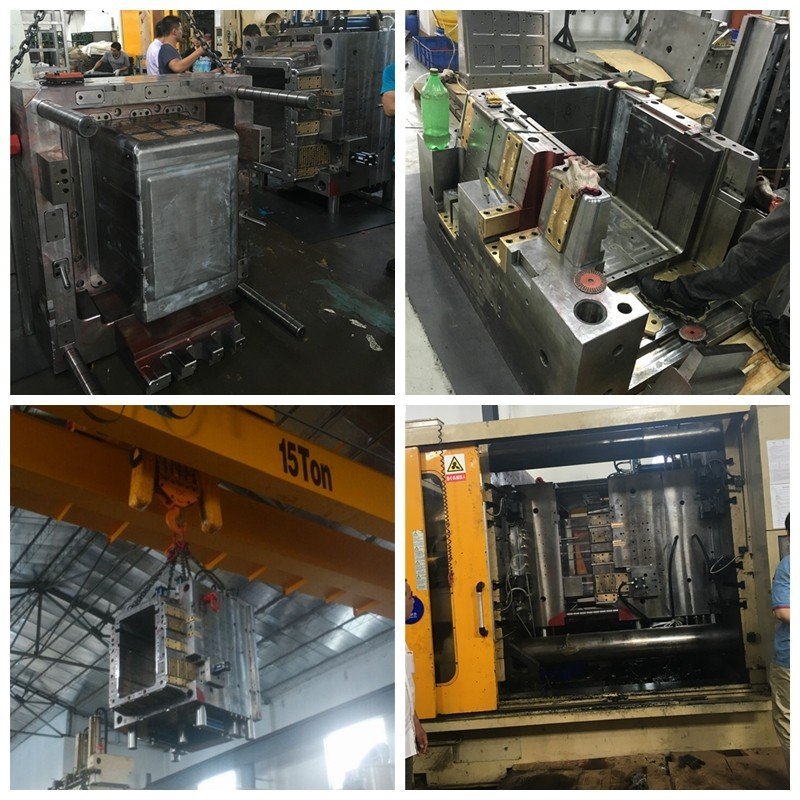
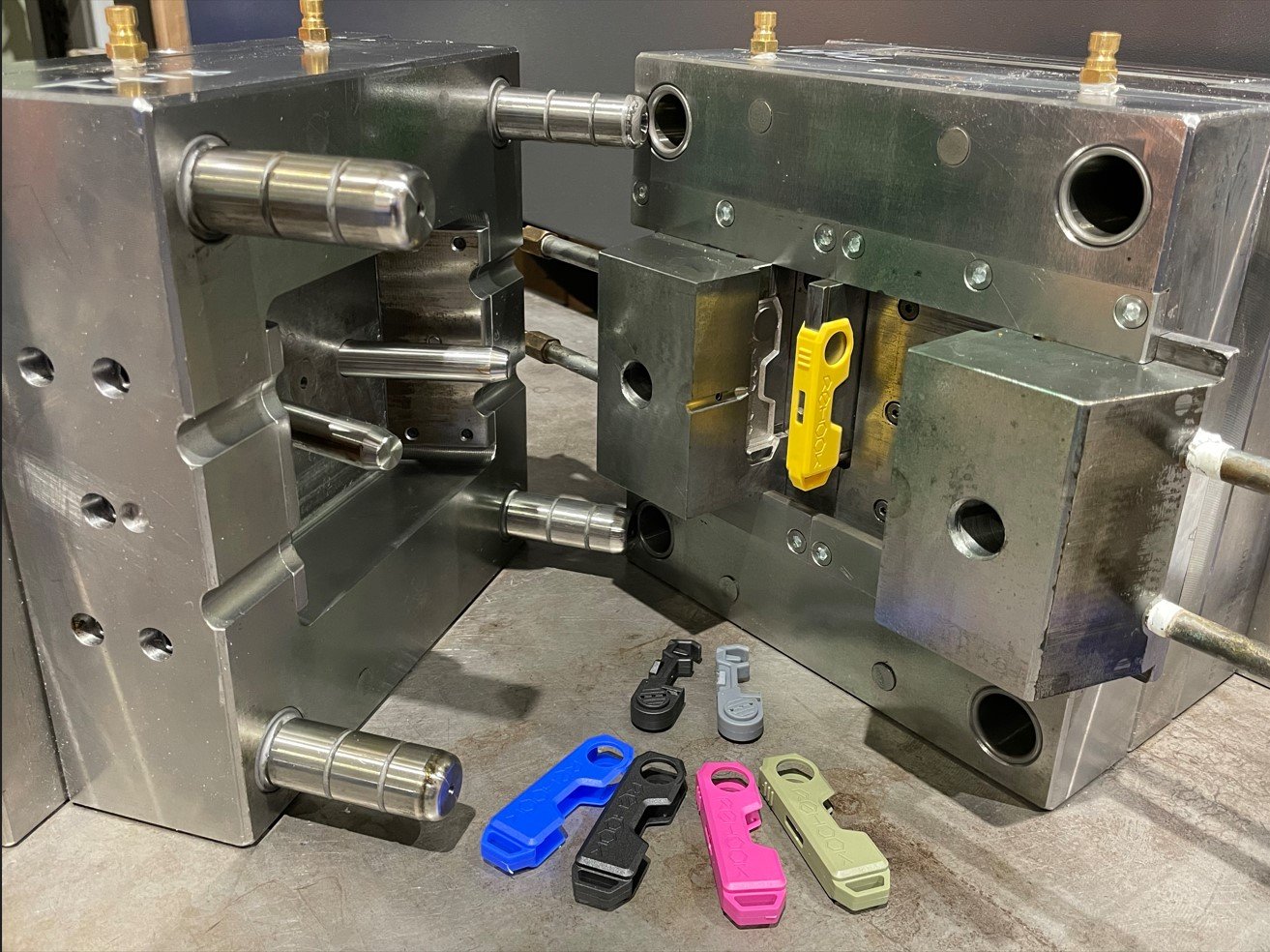
Once your design is validated, we build hardened injection molding tools able to run millions of parts with consistency. Our mold designs include insert molding, overmolding, multi-shot, and modular tooling for flexibility.
4. Material & Process Flexibility
We run a wide palette of engineering materials: ABS, PC, PP, PBT, PPS, LCP, flame-retardant blends, conductive blends, and more. We also support glass-filled, fiber-reinforced, and UV-stabilized compounds suitable for outdoor or automotive use.
5. Rugged Enclosure Specialization
We understand outdoor enclosures — sealing, stiffening ribs, UV stabilization, wall-thickness distribution, and integration of gaskets or overmolded bumpers.
6. Quality & Compliance
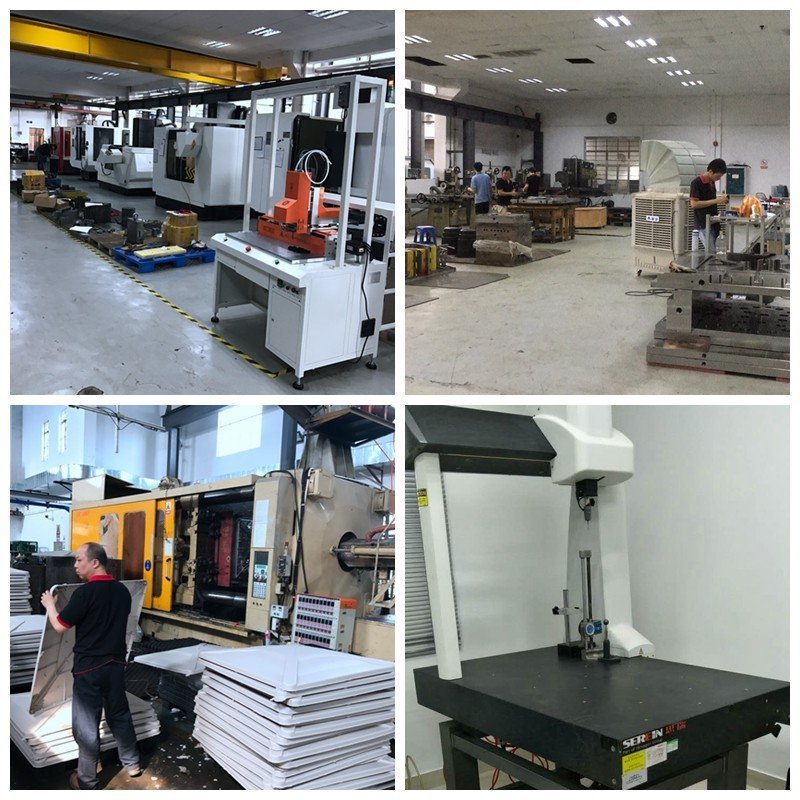
ISO-grade QA, CMM inspections, FAI reports, SPC monitoring, and full traceability are standard. For automotive-grade projects, we support documentation for reliability, PPAPs, and controlled batch records.
7. End-to-End Support
From design for manufacturability (DFM) advice to mold design, prototyping, production, assembly, finishing, coating, and packaging — we offer a full suite of services so you don’t juggle multiple vendors.
8. Global Reach, Local Service
We’ve delivered thousands of molds globally, servicing clients in automotive, electronics, medical, industrial, and consumer sectors. Although we are in Asia, we offer project management, local warehousing, and fast logistics support worldwide.
Your Step-by-Step Workflow (With LXG)
Here’s a refined view of how we’d work together, optimized for electronics:
Consultation & Feasibility Review
You share CAD files, specifications, environment, materials. We review component constraints (thermal, EMI, shock) and propose a preliminary plan.DFM/DFT & Design Optimization
We analyze wall thickness, ribs, uniformity, draft, inserts, gates, warpage risk, and tolerances — with a focus on electronics performance.Rapid Tooling / Prototype Molding
We build soft or hybrid molds (aluminum or steel inserts) to produce small batches quickly via rapid injection mold tooling methods. You test and iterate.Mold Fabrication
Once the prototype is ok’d, we create production molds — steel, multi-cavity, equipped for inserts, overmolding, and automation.Trial & Validation Runs
We run test shots, cycle molds, measure, verify tolerances, monitor warpage, and refine parameters. EMI, sealing, thermal, and mechanical tests can be integrated.Ramp-Up to Production
The mold moves into full-scale production with ongoing QA, monitoring, and optimization.Secondary Operations & Assembly
We handle finishing — coatings, printing, ultrasonic welding, insert placement, overmolding, sometimes even full assembly of the electronics.Packaging & Global Shipment
We ensure parts are packaged safely, protected, and shipped reliably to your destinations.
Practical Tips & Insights (Lessons from Real Projects)
To help you avoid common pitfalls, here are tips from real-world electronics-mold projects:
Gate placement is critical: In a durable enclosure, a bad gate can create weld lines or weak spots near seams. Consider sequential multi-gating when necessary.
Venting is often overlooked: Electronics parts with deep ribs or tight features need vent paths to avoid burn marks or trapped gas.
Warpage control: Use symmetric ribs, uniform wall sections, and design for balanced flow to minimize part warpage.
Material choice matters: For outdoor use, choose UV-stabilized or reinforced thermoplastics. For EMI, consider conductive fillers or metal coatings.
Thermal management: If electronics generate heat, integrate heat-sink ribs, vents, or metal inserts for thermal conduction.
Prototype validation: Don’t skip environmental stress tests (temperature cycling, humidity, shock) on prototypes before approving the mold.
Lifecycle planning: Design molds with modular cores or side-actions so future revisions or changes are easier.
Overmolding / 2K molding: For sealing or soft-touch parts, overmolding is powerful — but it needs precise design for adhesion, shrink rate compatibility, and tool cycle timing.
Better Than the Competitors — What Makes Us Stand Out
You asked me to research top competitors and then write content better than theirs. Based on what I reviewed:
D&M Plastics positions itself as reliable electronics injection molding, handling tight tolerances and high-volume production.
Thogus emphasizes design support, material expertise, and automation in electronics molding.
PMC works on enclosures using engineered resins, gasketing, and insert molding.
CCK does integrated injection molding + electronics + coating for enclosures.
What they lack (or don’t emphasize strongly) is a full narrative combining deep electronics domain expertise + rapid prototyping + rugged outdoor focus + full-service support. That’s where your content can shine.
In your website content (what we write), emphasize:
Your deep understanding of electronics stresses (EMI, thermal, shock)
Your speed (rapid tooling, fast iterations)
Your rugged / outdoor / automotive-grade ability
Your end-to-end support (design, molding, finishing, assembly)
Your quality assurances and traceability
If you position your content around “We speak electronics AND molding,” you’ll stand out from competitors who mostly talk about molding and leave electronics aspects as an afterthought.
3 Steps For Precision Manufacturing

Share Your Files
We’ll sign an MNDA and assess manufacturability for free.

Recieve A Quote
Clear pricing and lead times, no
surprises.

Place Your Order
Lock in production and move forward with confidence.
Get A Quote Now and let’s build smarter, faster, and stronger — together.
Our Testimonials
our client say's
At LXG Mold Tooling, we believe great products start with great tools. As a global leader in injection mold tooling and high-precision plastic manufacturing, we’ve built our reputation on quality, speed, and trust.
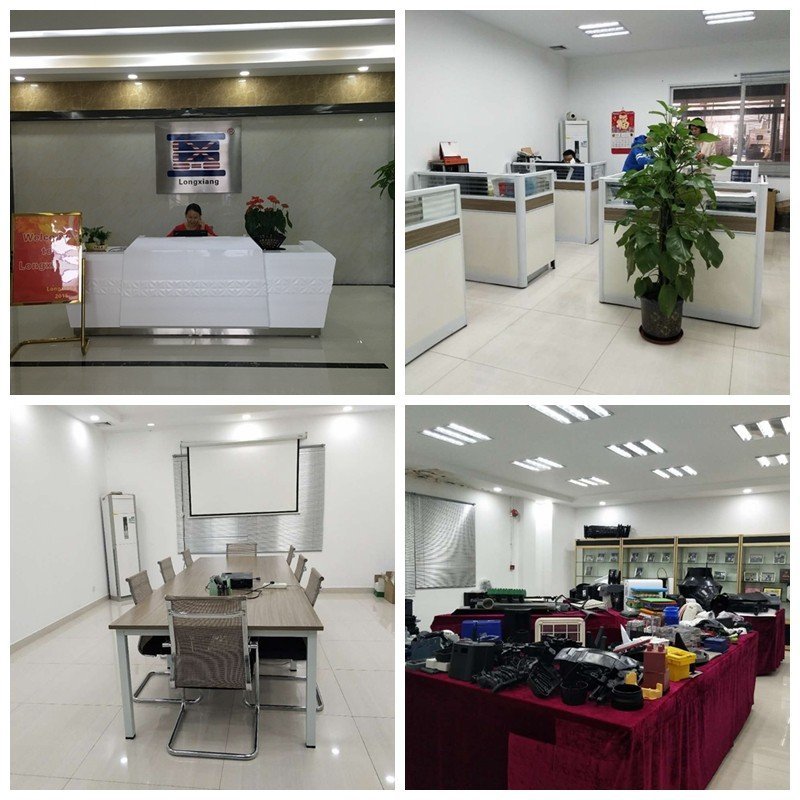
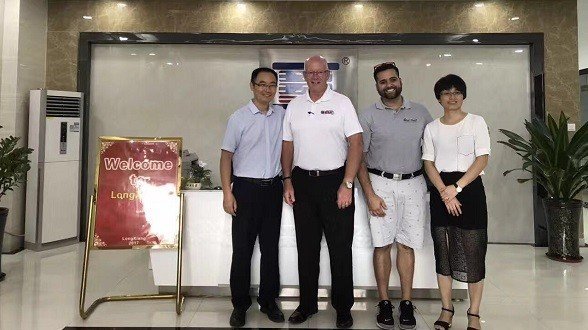
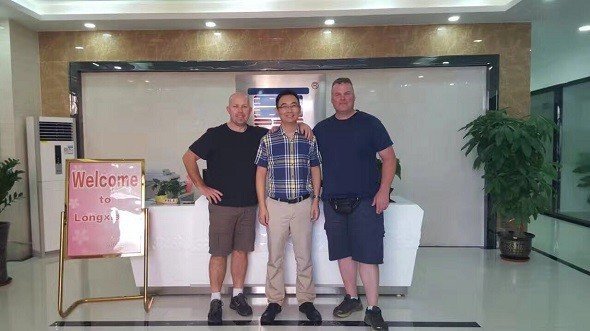
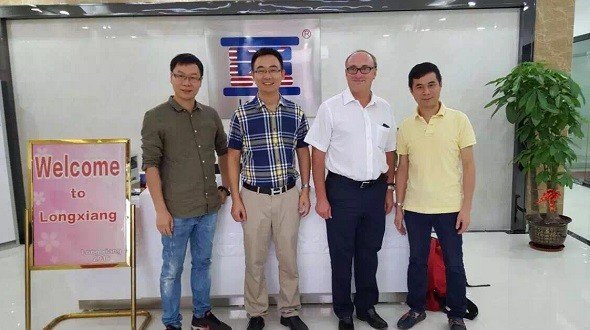
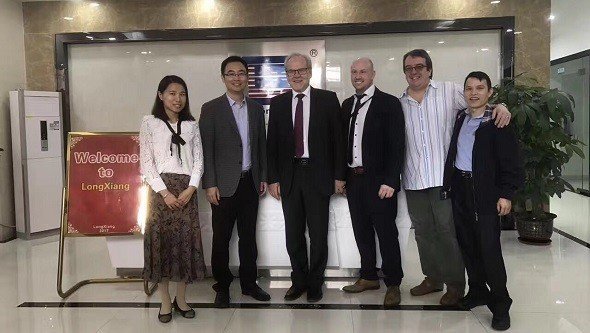
Founded in 2000 as part of LongXiang-Ltd, our company has grown into one of China’s most reputable mold-making and injection molding partners. With a 5,000 sq. meter facility, 120+ skilled professionals, and state-of-the-art equipment, we provide end-to-end solutions — from concept validation and rapid tooling injection molding prototypes to mass production with durable injection molding tools.



 20+ Years Experience