Understanding Why Injection Molding Differs From CNC Machining for Plastic Parts
Summary
Injection molding and CNC machining both produce finished plastic parts, but they take fundamentally opposite approaches, forming versus removing material, that make each one suited to very different situations. This guide covers how that distinction actually plays out.
Key Takeaways
- Injection molding forms parts by injecting molten resin into a cavity, suited to high-volume production.
- CNC machining removes material from solid stock, suited to low-volume or one-off precision parts.
- Tooling cost structure differs dramatically, with molding carrying upfront cost and machining carrying none.
- Design freedom differs too, since machining can’t easily replicate some molded features like thin ribs.
- Lead time for a first part is typically much shorter with machining, while molding requires tooling first.
Checklist Item: Understand the Core Process Difference
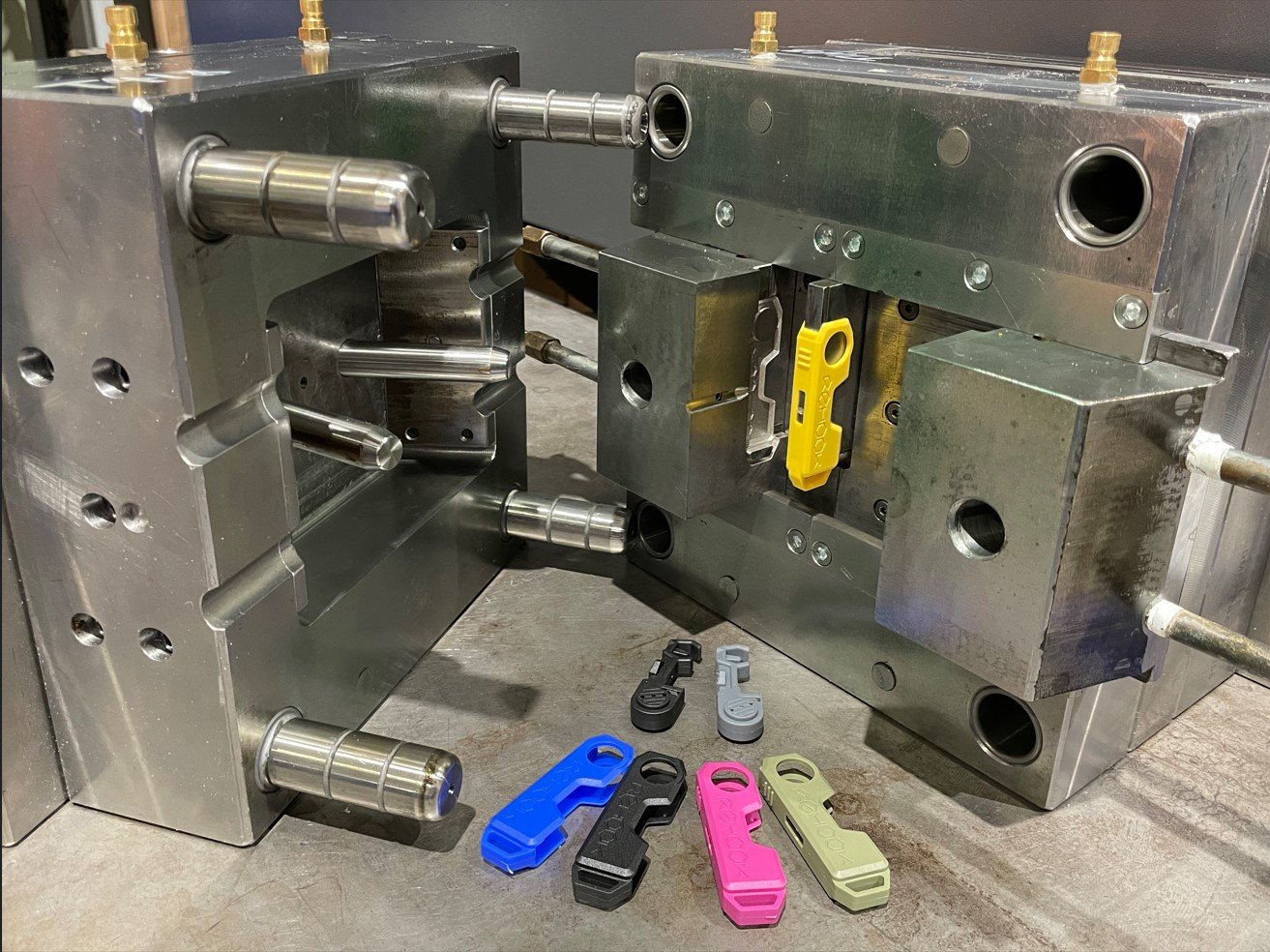
Injection molding is a formative process, shaping molten plastic by injecting it into a cavity that defines the part’s geometry, while CNC machining is a subtractive process, removing material from a solid block of stock using cutting tools until the finished part shape remains. This fundamental difference shapes everything else about how the two processes compare.
Matching Volume to the Right Process
Injection molding’s tooling investment pays off at volume, making it the clear choice for high-quantity production, while CNC machining has no tooling cost and can produce a single part economically, making it the better fit for prototypes, one-offs, or very low-volume runs.
| Factor | How Molding and Machining Compare |
|---|
| Process type | Molding forms material into a cavity; machining removes material from stock |
| Volume economics | Molding favors high volume; machining favors prototypes or low volume |
| Design freedom | Some molded features are difficult or impossible to replicate by machining |
| First-part lead time | Machining is typically faster since no tooling needs to be built first |
Not sure whether to mold or machine your plastic part?
Share your volume and timeline and we’ll help determine the right process.
Recognizing Design Freedom Differences
Some features achievable in injection molding, thin ribs, complex internal geometry formed by cavity shape, are difficult or impossible to replicate through machining’s subtractive approach, which means a design optimized for one process doesn’t always translate directly to the other.
Comparing Lead Time for a First Part
A CNC-machined part can often be produced in days since no tooling needs to be built first, while injection molding requires tooling design and fabrication before the first part can be molded, making machining the faster path when a single part is needed quickly.
Need a part designed for molding but prototyped via machining first?
We’ll help bridge your prototype and production process decisions.
Common Mistakes
A common mistake is machining a prototype with features that won’t actually translate to an injection-molded production version. Another is committing to molding tooling for a volume too low to justify the investment over simply machining the needed quantity. A third is assuming lead time will be similar between the two processes when it often isn’t.
How This Connects to Other Molding Topics
Choosing a Molding Partner That Recommends the Right Process
Conclusion
Injection molding and CNC machining take fundamentally different approaches, forming versus removing material, that make each one suited to different volumes, design features, and timelines. Choosing between them starts with an honest look at actual production needs rather than defaulting to whichever process is more familiar.
Frequently Asked Questions (FAQs)
What's the core difference between molding and machining?
Molding forms parts by injecting material into a cavity; machining removes material from solid stock using cutting tools.
Which process is better for high-volume production?
Injection molding, since its tooling investment pays off economically at volume.
Which process is faster for a single part?
CNC machining, typically, since no tooling needs to be built before the first part can be produced.
Can every molded feature be replicated by machining?
No; some features, like thin ribs formed by cavity shape, are difficult or impossible to replicate through machining.
Should a prototype always be machined before molding?
Often yes for speed, but the design should be evaluated for how well it will translate to the molding process.

 20+ Years Experience