What You Should Know About How Tooling Ownership Works When Switching Manufacturers
Summary
Moving a mold from one manufacturer to another sounds simple until the ownership terms turn out to be unclear, a balance is still owed, or the receiving shop won’t accept the tool in its current condition. This guide covers what should be settled upfront so that a future transfer, if it’s ever needed, doesn’t become a dispute.
Key Takeaways
- Tooling ownership should be stated explicitly in a written agreement, not assumed from who paid for the build.
- Outstanding tooling balances can legally block a transfer even when ownership is otherwise clear.
- A receiving manufacturer will typically inspect transferred tooling condition before accepting responsibility for it.
- Some manufacturers build proprietary features into tooling that complicate a transfer to another shop.
- Clarifying transfer logistics and responsibilities upfront prevents costly delays if a switch becomes necessary.
Checklist Item: Confirm Ownership Terms in Writing
Who legally owns a mold, the buyer who paid for it or the manufacturer who built it, should be stated explicitly in a written agreement rather than assumed from payment alone, since different contract structures can produce different ownership outcomes even when the buyer funded the entire build. This is worth confirming before any dispute makes it relevant.
Understanding How Outstanding Balances Affect Transfer
A manufacturer holding an unpaid balance on tooling, even a relatively small one, can have a legitimate basis for withholding that tool until the balance is settled, regardless of who technically owns it under the broader agreement. Keeping tooling-related payments current avoids this becoming a blocking issue at exactly the moment a transfer is needed.
| Transfer Factor | What to Confirm Before It Becomes an Issue |
|---|
| Ownership terms | Should be explicit in writing, not assumed from who paid for the build |
| Outstanding balances | Can legally block a tooling transfer even when ownership is otherwise clear |
| Condition inspection | A receiving shop typically inspects tooling before accepting liability for it |
| Proprietary components | Can complicate a transfer if they don’t work with another shop’s equipment |
Need tooling ownership terms clarified before your next program?
Share your current or planned agreement and we’ll help review the ownership language.
Expecting a Condition Inspection Before a New Shop Accepts a Tool
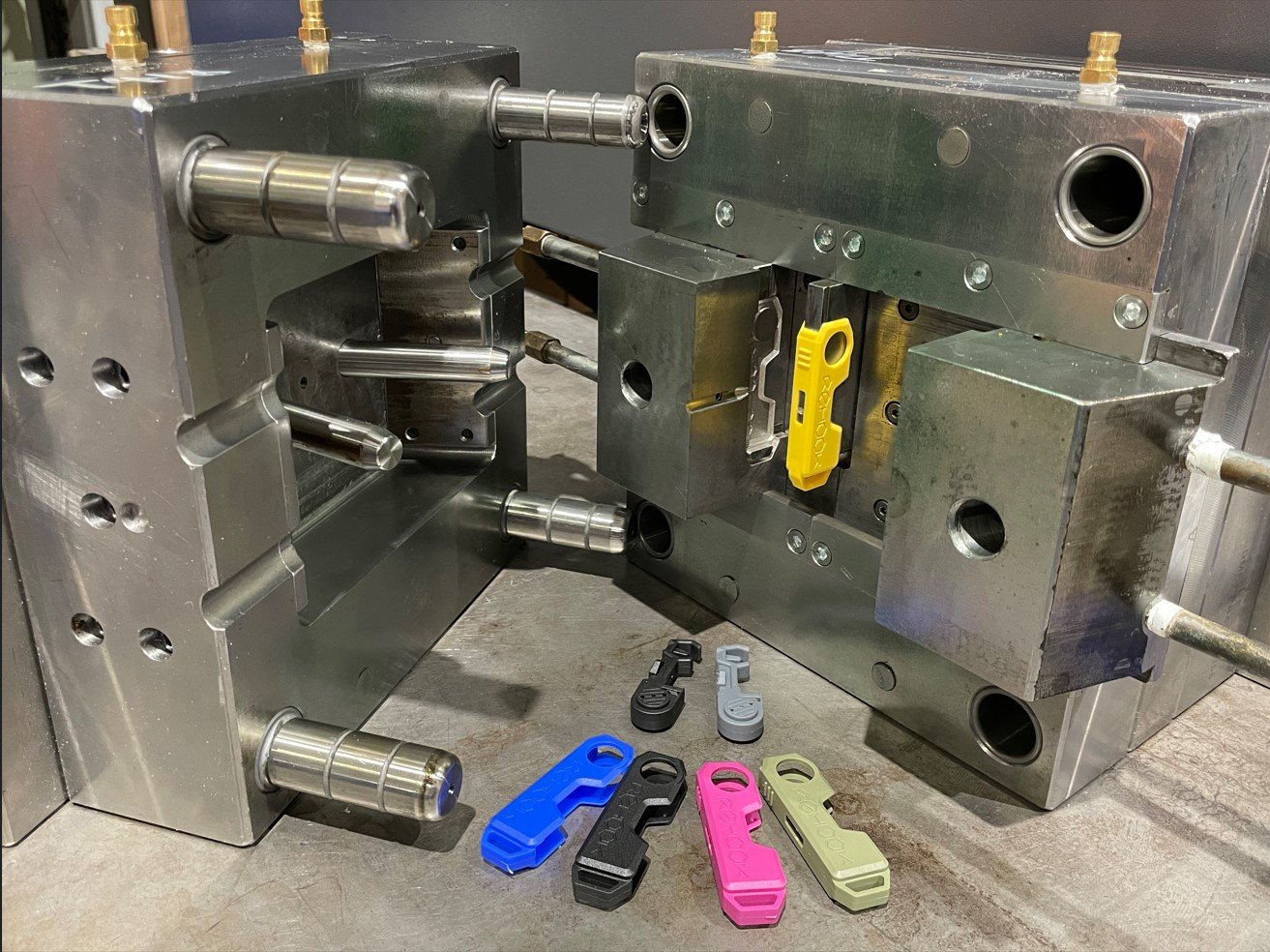
A receiving manufacturer will typically want to inspect a transferred mold’s condition, wear, corrosion, any undocumented modifications, before formally accepting responsibility for running it, since they’re assuming liability for the tool’s performance going forward. Budgeting time and potentially cost for refurbishment as part of a transfer plan avoids surprises.
Watching for Proprietary Features That Complicate a Move
Some manufacturers build mold components using proprietary hot runner systems, control software, or fixturing that doesn’t transfer cleanly to another shop’s equipment, which can turn an otherwise straightforward tooling move into a more involved rebuild. Asking about this upfront, before committing to a manufacturer, avoids discovering it only when a transfer is already underway.
Planning to transfer tooling from another manufacturer?
We’ll walk through our inspection and acceptance process for transferred molds.
Common Mistakes
A common mistake is assuming ownership is settled simply because the buyer paid for the tooling, without confirming the written contract language. Another is letting tooling-related balances lapse, creating a blocking issue right when a transfer becomes necessary. A third is not asking about proprietary mold components until a transfer is already underway and the complication is discovered too late.
How This Connects to Other Molding Topics
Choosing a Molding Partner With Clear Tooling Ownership Terms
A manufacturer offering genuine
rapid molding service should put tooling ownership and transfer terms in writing from the start, not leave them ambiguous until a dispute arises. For programs near Utah, a
plastic injection molding services in West Bountiful partner with transparent contract practices protects a buyer’s flexibility to switch manufacturers if it ever becomes necessary.
Conclusion
Tooling ownership during a manufacturer switch comes down to clear written terms, settled balances, an expected condition inspection, and awareness of any proprietary components that could complicate the move. Settling these questions before a transfer is ever needed avoids turning a routine switch into a costly dispute.
Frequently Asked Questions (FAQs)
Who owns a mold if the buyer paid for it?
It depends on the written agreement; payment alone doesn’t automatically determine legal ownership without explicit contract terms.
Can a manufacturer withhold tooling over an unpaid balance?
Often yes, even a relatively small outstanding balance can give a manufacturer a legitimate basis to withhold the tool.
Will a new manufacturer accept tooling without inspecting it?
Usually not; most will inspect condition and wear before formally accepting responsibility for running the tool.
Can proprietary components block a tooling transfer?
Yes; proprietary hot runner systems or fixturing that doesn’t suit another shop’s equipment can complicate a move.
When should tooling ownership terms be settled?
Before a dispute arises, ideally in the original written agreement before a program even begins.


 20+ Years Experience